The contract terms to compare in every rooftop-solar proposal
Put ownership, production assumptions, escalators, roof work, and transfer terms on one page before comparing monthly payments.
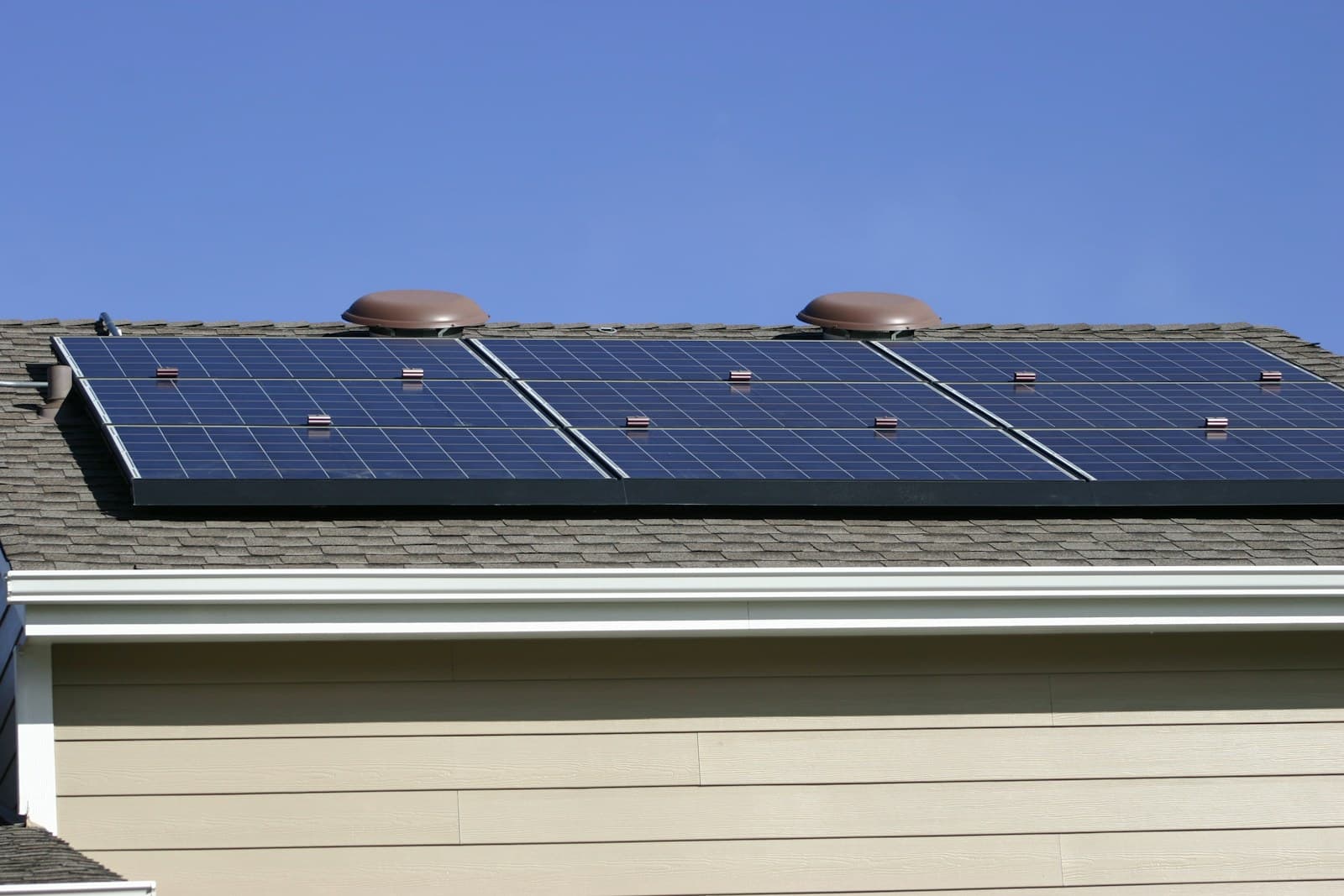
Solar proposals often compress several separate decisions into one monthly-payment figure. Before comparing offers, rebuild each proposal as a plain record of equipment, ownership, production assumptions, roof responsibilities, warranties, and total contractual cost.
The goal is not to predict approval or savings. It is to expose where two proposals use different assumptions and to identify every term that still depends on a verbal promise. Keep the complete proposal, contract, site design, and utility assumptions together so later revisions can be compared against the version originally presented.
The short answer
A useful solar comparison separates the equipment price from financing, energy assumptions, roof obligations, and exit terms.
Identify who owns the system
Mark each proposal as a cash purchase, loan, lease, or power purchase agreement. Ownership affects who receives incentives, who maintains the equipment, and what must happen when the home is sold.
Compare the same system, not the same payment
Record the cash price, panel and inverter models, system size in kilowatts, estimated first-year production, and warranty terms. A low monthly payment can hide a longer term or a different equipment package.
Find every rate change
For a loan, list the interest rate, fees, term, and any payment change tied to an expected tax credit. For a lease or PPA, find the annual escalator and calculate what the payment or energy rate could be in later years.
Make the roof responsibility explicit
Confirm the roof age, who decides whether repairs are needed, and who pays to remove and reinstall panels for future roof work. Ask whether roof penetrations and related leaks are covered, by whom, and for how long.
Read transfer, buyout, and cancellation terms
Write down what happens if the house is sold, the system underperforms, the installer changes ownership, or the agreement is canceled. Do not rely on a salesperson’s summary when the contract controls.
Use a same-assumption comparison before choosing
Put every proposal into one table with the same columns: cash price, financed cost, equipment, estimated annual production, roof work, warranties, utility assumptions, and sale or cancellation terms. If an item is missing, mark it unknown rather than treating the lower payment as the better offer. Pause if a signature is requested before those unknowns are answered in writing.
Put the guide to work
Field notes
- Put on the comparison sheet
- Cash price, financed amount, term, fees, system size, first-year production estimate, degradation assumption, utility-rate assumption, equipment models, workmanship coverage, and roof-removal responsibility.
- Do not treat as guaranteed
- A production estimate is not the same as a utility-bill guarantee. Weather, shading, household use, rate design, equipment availability, and future utility rules can change the result.
- Pause before signing
- Ask for a corrected written document when the proposal and contract disagree, a blank remains, the system design changes, or a promised repair, credit, warranty, or cancellation right is missing from the contract.
- Independent help
- A qualified roofer can assess remaining roof life; the local permitting office or utility can confirm process requirements; and an attorney or consumer adviser can review contract obligations that are unclear.
Make the next step useful
Put this guide on your home plan
Know when to call a professional. Stop if work involves active gas leaks, damaged service wiring, structural movement, unsafe heights, suspected contamination, or a problem you cannot confidently isolate.
Editorial review and sources
Reviewed by: Smart Homeowners Editorial Desk
Last reviewed: August 25, 2026
Original Smart Homeowners editorial; not adapted from a third-party article.