Matter controller, Thread border router, or bridge? Map the missing job before you buy
The word “hub” hides several different jobs. Trace the accessory’s protocol, network path, control platform, and old-device bridge before adding another box.
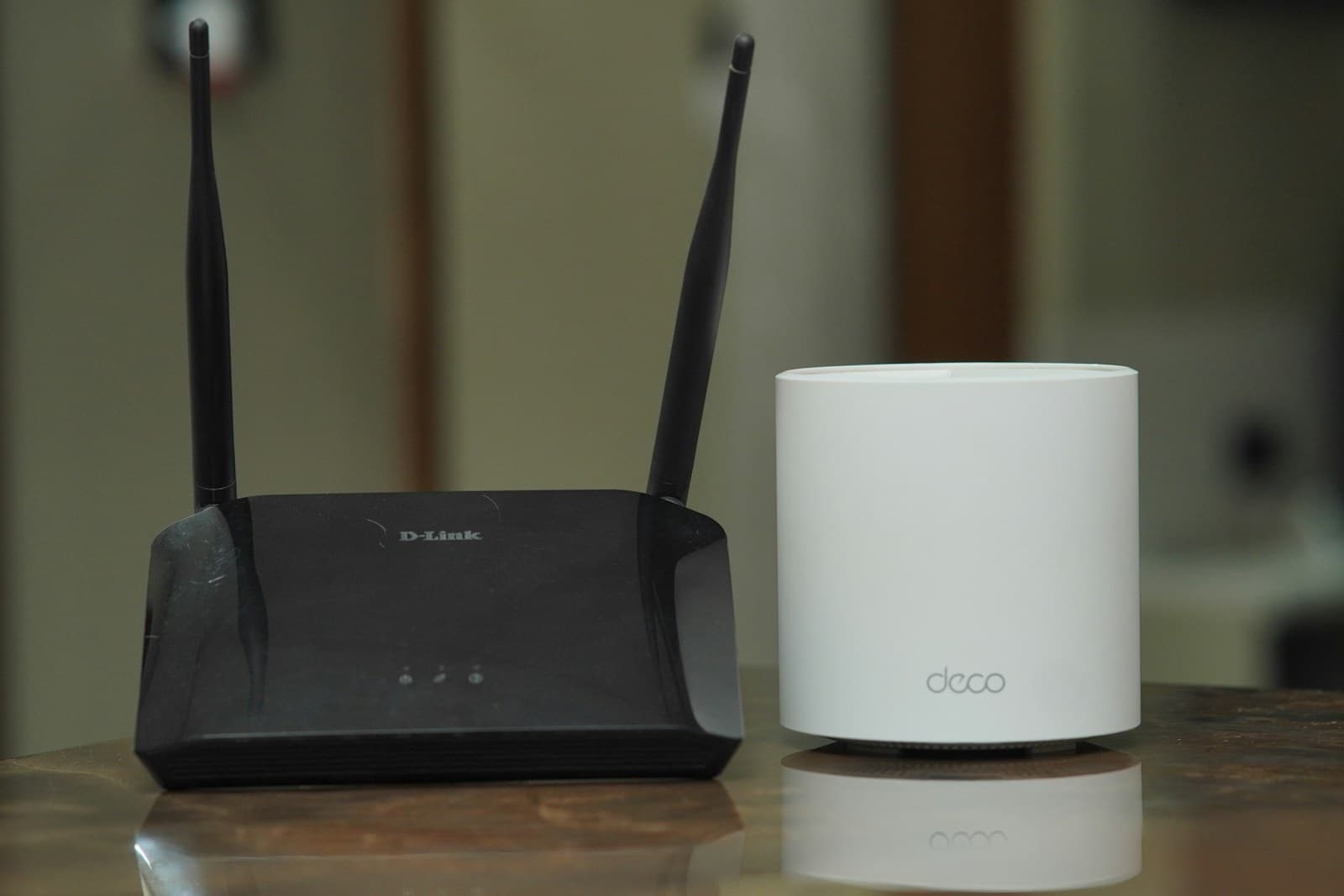
“Works with Matter” is not a complete shopping answer. Matter describes the application layer, while Wi-Fi, Ethernet, or Thread carries the traffic. The home also needs a controller in the ecosystem you intend to use. Older products may reach that ecosystem through a bridge without becoming native Matter or Thread devices.
One piece of hardware can perform several jobs, which is why listings get muddy. Ignore the word hub for a moment. Draw the jobs first, then confirm the exact model and software version that performs each one.
The short answer
Start with the exact accessory and identify four separate facts: what application language it speaks, which network carries it, which controller will commission and operate it, and whether an older device needs protocol translation. A Matter-over-Wi-Fi device does not need a Thread border router. A Matter-over-Thread device does. A Zigbee or other non-Matter accessory may need its own coordinator or a bridge that explicitly exposes it to Matter.
Read the transport line, not only the Matter logo
Find wording such as Matter over Wi-Fi, Matter over Ethernet, or Matter over Thread on the manufacturer’s current product page, manual, and certification record. A Wi-Fi or Ethernet accessory uses the home IP network directly and does not gain anything from a Thread border router. A Thread accessory needs a border router within usable radio range. If the listing names only Bluetooth, Zigbee, Z-Wave, or a brand protocol, determine whether Bluetooth is merely for setup and whether a separate bridge is required for ordinary control.
Name the controller that will own setup
Write down the primary household platform and the exact controller hardware or software that will add the accessory. Do not assume every smart speaker, streaming box, phone, or app is a Matter controller. Confirm the product generation, region, current software requirement, supported accessory category, and commissioning method. If two household members use different platforms, check the device’s current multi-admin instructions before purchase rather than assuming every feature and permission will appear identically in both.
Add a border router only when Thread is on the path
For Matter over Thread, verify that an existing device is documented as a Thread border router and can participate in the intended ecosystem. Location matters because its Thread radio must reach the mesh even if its Ethernet or Wi-Fi link is excellent. Thread Group notes that multiple border routers can provide another route when one goes offline, but redundancy depends on their network relationship and implementation. Buying two unrelated boxes does not prove they will create one well-formed mesh.
Treat a bridge as a product-specific promise
If you want existing lights, switches, sensors, or shades to appear in a Matter platform, check whether their current hub has an explicit Matter bridge function. Then read the exposed-device and feature list. Scenes, energy data, adaptive lighting, camera history, firmware controls, or advanced sensor values may remain in the vendor app even when basic on, off, level, or status controls cross the bridge. Keep the original network in the drawing because the bridge still depends on it.
Check versions without buying a version number
The Connectivity Standards Alliance released Matter 1.5.1 on March 31, 2026 with camera and doorbell refinements including multi-stream delivery, more media-format support, and related chime and intercom changes. That specification release does not mean every controller or camera immediately implements every capability. Ask what the exact accessory firmware and chosen platform support today, whether an update is required, and which functions remain vendor-specific. Certification and real platform exposure are both part of the buying check.
Draw the smallest working chain and test one item
Use one line: accessory → Wi-Fi, Ethernet, Thread, or original radio → border router or bridge if required → Matter controller → household interface. Mark every powered box, account, app, and cloud-dependent feature. Then buy or pair one representative accessory and test local control, household sharing, restart recovery, automations, and the features you care about before ordering a roomful. My view: an extra box is cheaper than replacing good devices, but an unnamed box bought to solve “compatibility” usually adds a failure point instead of solving one.
Put the guide to work
Field notes
- Matter controller
- Commissions a Matter accessory into a chosen ecosystem, holds the operational relationship, and sends commands. Confirm the platform, supported device category, account requirements, and whether control remains available locally.
- Thread border router
- Routes IPv6 traffic between the low-power Thread mesh and the home IP network. Thread Group says it does not translate the application protocol. It is needed for Thread accessories, not for Matter-over-Wi-Fi products.
- Matter bridge
- Presents supported devices from another system to Matter controllers. The bridge may expose only selected device types or functions. Its presence does not move those older devices onto Thread or make every vendor feature portable.
- Coordinator or vendor hub
- Runs the original Zigbee, Z-Wave, or proprietary network. It may also be a Matter bridge, controller, or border router, but only if the specification for that exact model says so.
Make the next step useful
Put this guide on your home plan
Know when to call a professional. Stop if work involves active gas leaks, damaged service wiring, structural movement, unsafe heights, suspected contamination, or a problem you cannot confidently isolate.
Editorial review and sources
Reviewed by: Smart Homeowners Editorial Desk
Last reviewed: September 20, 2026
Original Smart Homeowners editorial; not adapted from a third-party article.