7 quiet signs a house needs attention
Short-cycling equipment, musty odors, swollen trim, and other small changes are most useful when they are observed, dated, and compared—not guessed at.

Houses make noise, materials move with temperature and humidity, and equipment cycles on and off. One isolated creak or hairline paint crack is not a diagnosis. A change that repeats under the same conditions—or grows over several days—is more useful evidence.
This guide is a first-pass observation routine, not a substitute for an inspection. Note the date, weather, recent water use, and which equipment was operating. Take one wide photo to show location and one close photo with a ruler or familiar object for scale. That short record helps a qualified contractor investigate the cause instead of relying on memory after the symptom disappears.
The short answer
The important clue is usually change: a sound, smell, stain, crack, cycle, or water-use pattern that is new, recurring, or getting worse. Record it before covering it up, and stop immediately for gas, electrical, active-water, carbon-monoxide, or structural danger.
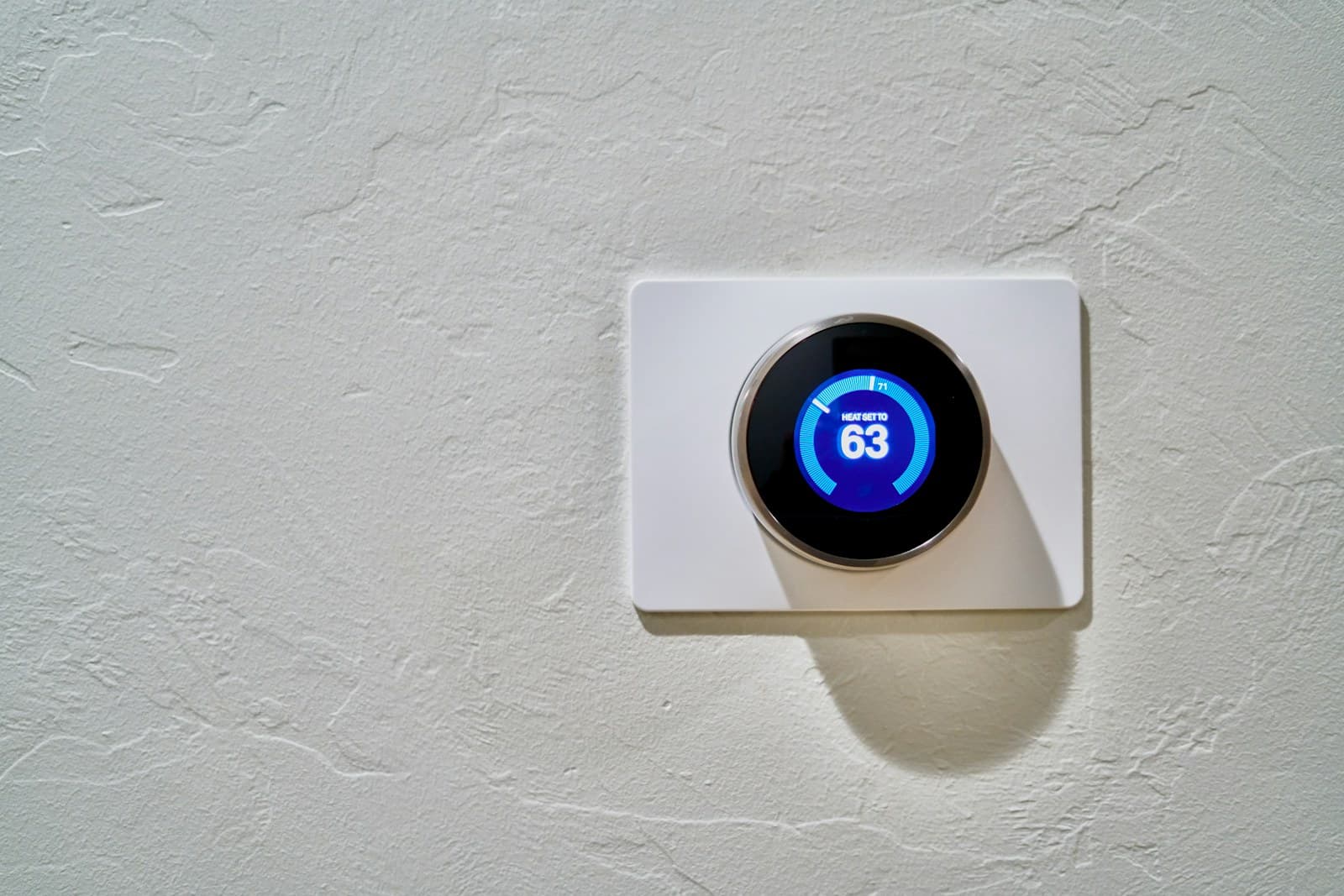
Heating or cooling equipment starts and stops repeatedly
A conventional system normally runs long enough to change the room temperature, then rests. Several brief starts in a short period can be caused by an incorrect thermostat setting, a blocked filter, closed registers, equipment protection controls, or a system problem. Variable-capacity equipment may run differently, so compare the behavior with the manufacturer’s normal operation rather than imposing one universal cycle time.
- Observe and document
- Write down the thermostat mode and setpoint, outdoor temperature, filter condition, which registers are open, the start and stop times, any display code, and whether every room receives air. A phone video can capture a sound that stops before service arrives.
- Usually less concerning
- A single interrupted cycle after changing thermostat modes or a brief restart during unusual weather may be explainable. Correct a plainly blocked return or wrongly set thermostat, following the equipment instructions, and observe the next complete cycle.
- Call for service
- Arrange qualified HVAC service when rapid cycling repeats, a breaker trips, water appears around the unit, the system cannot hold temperature, or an error code returns. Shut the system down for smoke, sparking, a persistent burning odor, unusual soot, or a carbon-monoxide alarm.
A musty odor returns in the same room
A closed room can smell stale after damp weather, but a persistent earthy or musty odor deserves a moisture search. EPA guidance treats moisture control as the central response to mold: look for the water source and dry wet materials promptly rather than trying to identify a smell with an air freshener or home test kit.
- Observe and document
- Note whether the odor is strongest after rain, showering, air-conditioning, or opening a cabinet. Check accessible areas around windows, plumbing, the HVAC condensate path, exterior walls, carpet edges, and stored cardboard. Record indoor relative humidity if a reliable hygrometer is available.
- Usually less concerning
- A brief odor from a dry floor drain, damp towel, trash container, or recently closed room may disappear after the source is cleaned, the drain trap is refilled, and normal ventilation resumes. The odor should not keep returning.
- Call for help
- Use an experienced moisture or building professional when the source is hidden, the odor persists, materials remain wet, or visible mold covers a large area. People with health concerns should follow medical advice and avoid disturbing suspect material.
Paint bubbles, trim swells, or a stain changes
Paint and woodwork often show water before the leak itself is visible. Rippling finishes, soft drywall, swollen baseboards, rusty fasteners, or a brown outline can follow roof, plumbing, window, drainage, or condensation problems. A dry surface does not prove the cavity behind it is dry.
- Observe and document
- Photograph the full wall or ceiling and the edge of the damage. Note recent rain, plumbing use, appliance cycles, and HVAC operation. Lightly mark the stain boundary with pencil only if doing so will not damage the finish, then check whether it crosses the mark.
- Usually less concerning
- An old, stable stain with a documented past repair may be cosmetic after the assembly has been confirmed dry and sound. Condensation on one cold window during extreme weather can reflect indoor humidity rather than a leak, but repeated wetting still needs correction.
- Stop or call
- Shut off the appropriate water supply for active plumbing leakage when it is safe to do so. Keep clear of a bulging ceiling, water near electrical equipment, sagging material, or widespread hidden damage and call the appropriate plumber, roofer, electrician, or building professional.
A crack is new, widening, or paired with movement
Small finish cracks can follow ordinary drying and seasonal movement. More concerning patterns include a crack that grows, repeats after repair, crosses several materials, follows masonry in a stair-step pattern, or appears with bowing, displacement, sloping, or newly sticking doors and windows. The pattern and change over time matter more than a single guessed width threshold.
- Observe and document
- Take dated photos from the same position with a ruler for scale. Record the ends of the crack, nearby doors or windows, recent weather or plumbing events, and whether the surfaces on either side remain aligned. Do not fill it before the cause has been evaluated if it is changing.
- Usually less concerning
- A fine, stable crack limited to paint, joint compound, or one finish layer may be cosmetic. Confirm that it remains unchanged through ordinary seasonal conditions before repairing the finish.
- Call a qualified professional
- Seek prompt structural evaluation for rapid change, visible displacement, bowed or leaning walls, separated framing, a suddenly sloped floor, or doors and windows that bind alongside new cracking. Leave an area that appears unstable.
A toilet refills or the water meter moves when fixtures are off
A toilet that briefly refills without being flushed often has water leaking from the tank into the bowl. A meter that changes during a controlled no-use period points to water moving somewhere in the property. EPA WaterSense recommends using the meter and a toilet dye test to turn a vague sound into useful evidence.
- Observe and document
- Confirm that faucets, ice makers, irrigation, humidifiers, and water-using appliances are off. Record the meter, wait two hours without water use, then read it again. For a toilet, place a few drops of food coloring in the tank, wait about 10 minutes without flushing, and check the bowl; flush afterward to avoid staining.
- Usually less concerning
- A water softener regeneration, ice-maker fill, irrigation cycle, or someone using water can explain a meter change. Repeat the test after those uses are excluded.
- Act or call
- Replace a straightforward toilet flapper only if the shutoff works and the repair matches the fixture instructions. Call a plumber for a meter change with no visible source, recurring refill after repair, low pressure, dampness, or an inaccessible supply leak. Shut off water for active damaging flow if it is safe and the correct valve is known.
An outlet, switch, cord, or panel behaves differently
Flickering, a loose-fitting plug, repeated tripping, unusual warmth, buzzing, or the smell of hot plastic can indicate an electrical fault. A hum from a clearly identified transformer or dimmer may be normal for that device, but a new sound or heat at wiring equipment should not be investigated by removing covers.
- Observe and document
- From a safe distance, note the exact device, what was running, whether lights dimmed, and which breaker or protective device operated. Stop using a damaged cord or loose receptacle. Do not repeatedly reset a breaker to make a symptom disappear.
- Usually less concerning
- One overload caused by several high-draw portable devices may clear when the load is removed, but the circuit and equipment still need to be used within their ratings. Plugs should fit securely and cords should remain undamaged and uncovered.
- Stop and call
- Turn off power only if it can be done safely and call a licensed electrician for recurring trips, heat, buzzing, arcing, scorch marks, or burning-plastic odor. For smoke or fire, leave the home and call emergency services; do not touch a wet electrical device or panel.
Rainwater lingers near the house or the same interior area gets damp
Overflowing gutters, disconnected downspouts, eroded soil, and water collecting against the foundation can direct moisture toward basements, crawl spaces, and walls. The first question is where roof and surface water goes during actual rain—not whether the interior can be covered with a waterproof coating.
- Observe and document
- During safe daylight conditions, photograph gutter overflow, downspout discharge, ponding, splash marks, and damp interior locations. Note rainfall timing and how long water remains. Inspect from the ground; do not climb onto a wet roof or use a ladder in unsafe conditions.
- Usually less concerning
- A shallow puddle well away from the building that drains soon after an exceptional storm may be a landscape issue rather than a building leak. Water repeatedly collecting beside the foundation is not a wait-and-see pattern.
- Next step or professional
- Clear accessible ground-level drainage paths and reconnect a loose extension only when safe. Call a gutter, drainage, waterproofing, or building professional for recurring entry, inaccessible roof drainage, erosion, wall movement, or a sump system that cannot keep up.
Make the next step useful
Put this guide on your home plan
Know when to call a professional. Stop if work involves active gas leaks, damaged service wiring, structural movement, unsafe heights, suspected contamination, or a problem you cannot confidently isolate.
Editorial review and sources
Reviewed by: Smart Homeowners Editorial Desk
Last reviewed: August 25, 2026
Original Smart Homeowners editorial; not adapted from a third-party article.
- ENERGY STAR — Heating and Cooling Maintenance Checklist
- U.S. EPA — A Brief Guide to Mold, Moisture and Your Home
- U.S. EPA WaterSense — Home Maintenance and Leak Checks
- U.S. Fire Administration — Appliance and Electrical Fire Safety
- U.S. National Park Service — Common Problems with Brick Masonry
- U.S. National Park Service — Controlling Unwanted Moisture in Historic Buildings