
11 min read
7 quiet signs a house needs attention
Short-cycling equipment, musty odors, swollen trim, and other small changes are most useful when they are observed, dated, and compared—not guessed at.
Read guideSystems & repairs
Clear guidance for household systems, exterior upkeep, routine maintenance, and common repairs.
Start here
61 published guides
11 min read
Short-cycling equipment, musty odors, swollen trim, and other small changes are most useful when they are observed, dated, and compared—not guessed at.
Read guide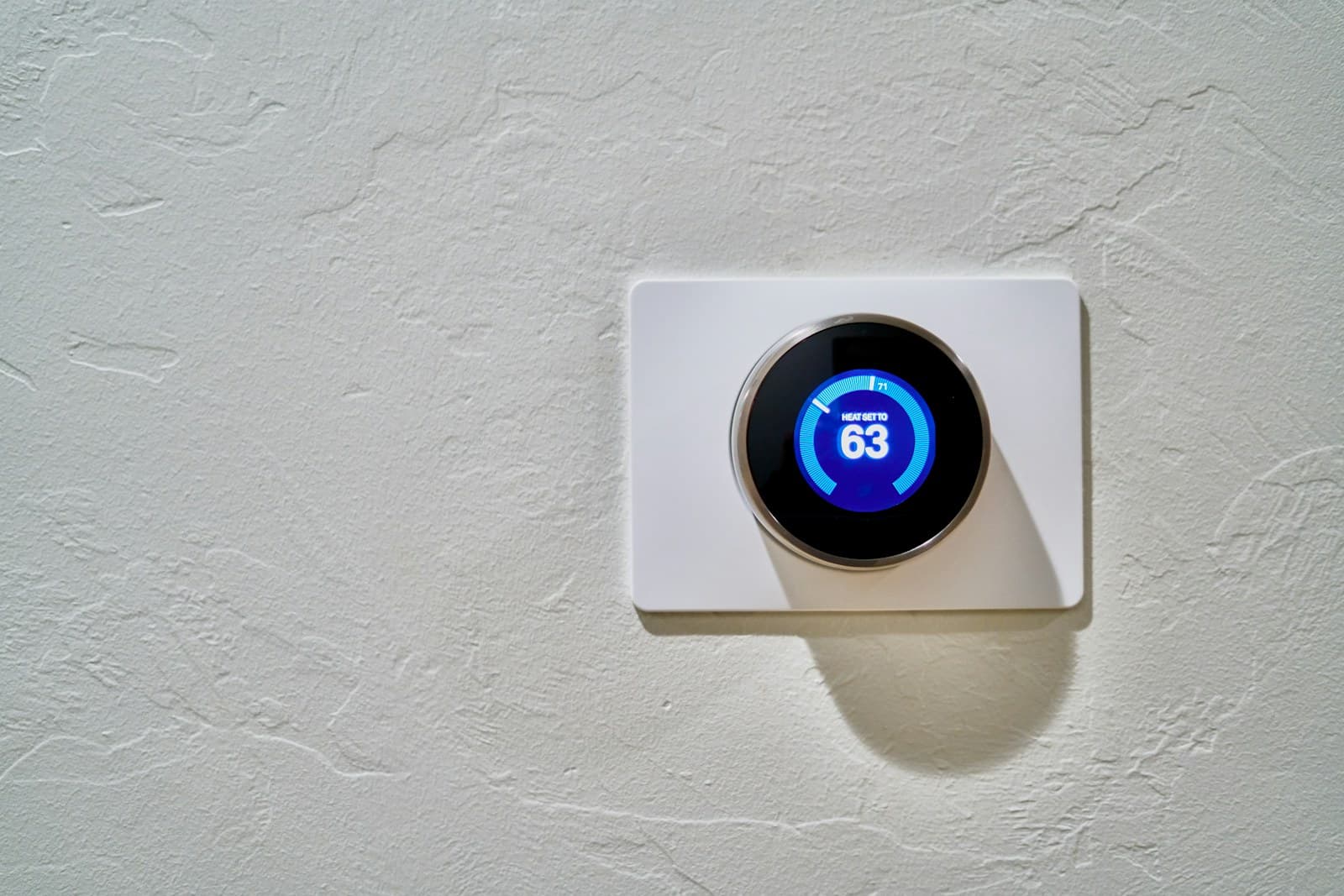
8 min read
Use one 90-minute route to check drainage, heating, moisture, alarms, and dark-season access, then open the detailed guide for anything you find.
Read guide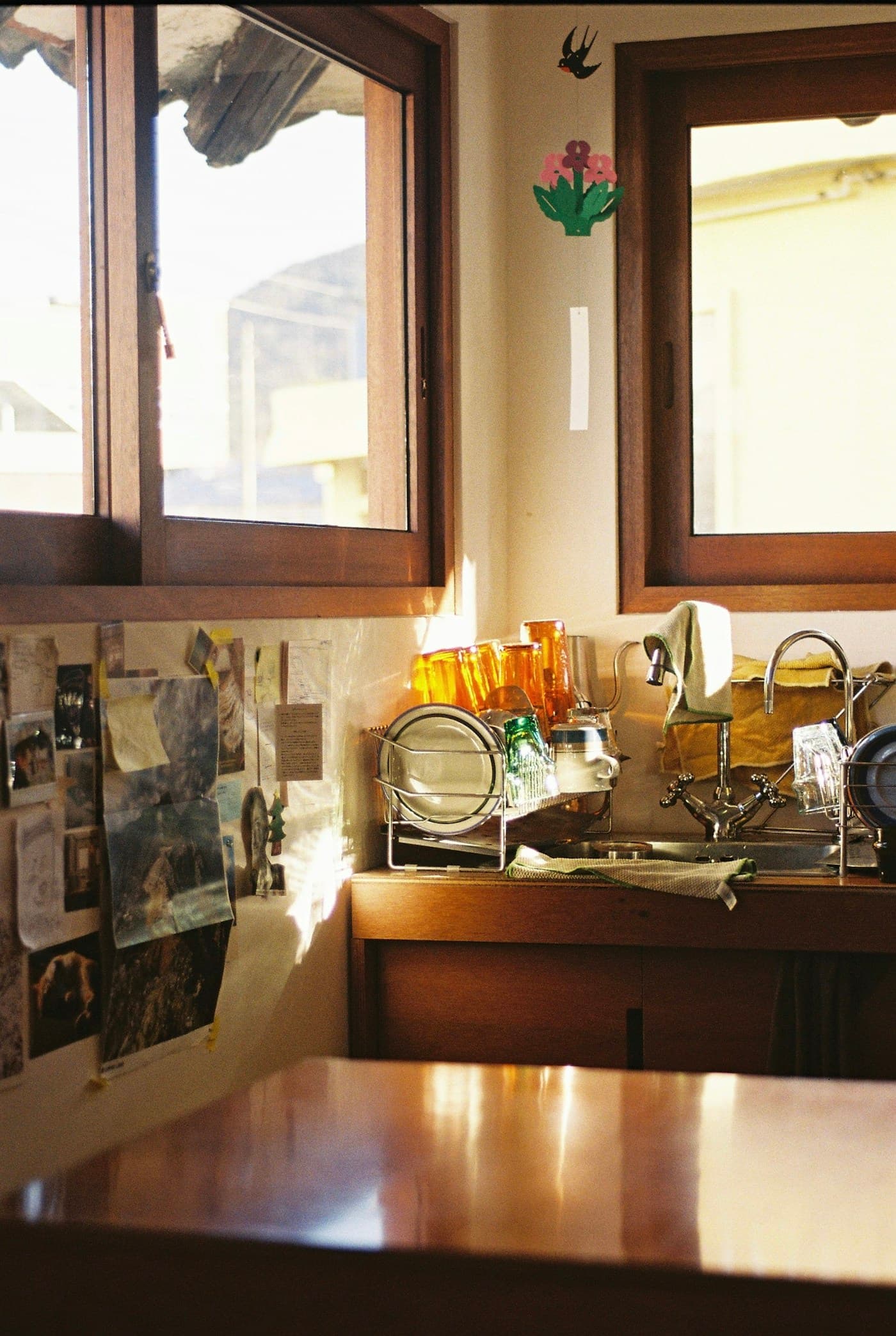
10 min read
A clear circuit directory helps during a repair or emergency, but homeowners should map only what they can safely identify.
Read guide
11 min read
Trace roof runoff from the discharge point to the ground and document whether it is soaking the house, a path, or a neighboring area.
Read guide9 min read
A short inspection can reveal where roof water is overflowing, stopping, or ending up too close to the house.
Read guide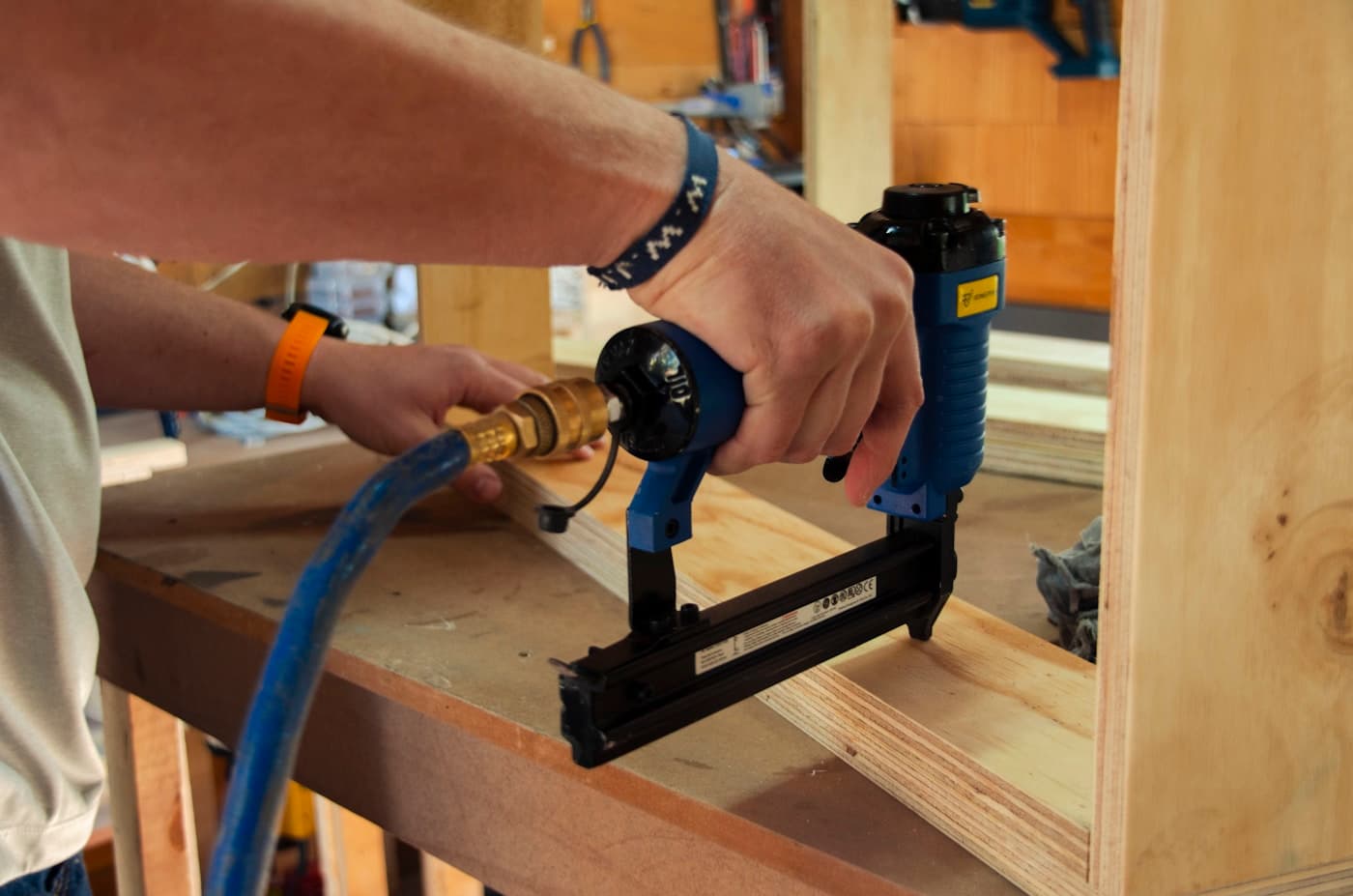
13 min read
Record temperatures, runtime, room patterns, airflow, filter history, visible water or ice, and heat-safety needs without opening the system or guessing at refrigerant.
Read guide9 min read
A quiet toilet leak can hide inside normal household use. Compare the bill, test the whole-home meter, then use dye to confirm whether the toilet is the water path.
Read guide9 min read
One slow sink usually points to a local restriction. Several fixtures, bubbling toilets, sewage odor, or backup at the lowest drain can indicate a broader drainage problem.
Read guide8 min read
A GFCI may refuse to reset because power is absent, a connected device has a fault, moisture is present, another protective device tripped, or the GFCI itself needs replacement.
Read guide9 min read
Use the panel label and household priorities to keep essential needs covered while a repeated trip stays off for electrical diagnosis.
Read guide9 min read
No hot water, lukewarm water, slow recovery, and fluctuating temperature are different symptoms. Identify the heater type and visible condition before touching controls.
Read guide7 min read
A hum can mean the motor is energized while the grinding mechanism cannot move. Continuing to run it can damage the unit or create an electrical hazard.
Read guide9 min read
A clogged aerator, partly closed valve, fixture problem, pressure regulator, supply leak, well issue, or utility condition can all reduce flow. The affected-fixture map narrows the next step.
Read guide10 min read
A stable shrinkage crack and an actively displaced wall can both begin as a line in concrete. Orientation, displacement, change over time, nearby movement, and moisture matter together.
Read guide10 min read
Protect people, electricity, and the interior first. The stain location may not be directly below the roof opening, so preserve a weather-and-water record before repair.
Read guide9 min read
Power, a stuck float, blocked intake, frozen or disconnected discharge, failed check valve, or an overwhelmed drainage system can all leave the pit rising.
Read guide9 min read
Separate a load problem from a blocked vent or appliance fault with a short check, then stop for heat, odor, damaged duct, or weak exhaust.
Read guide9 min read
Finish cracks can follow drying and seasonal movement. A crack becomes more consequential when it changes, crosses assemblies, shows displacement, or arrives with movement elsewhere.
Read guide9 min read
A thermostat can call for heat while the blower moves cool air, a safety control stops combustion, fuel is unavailable, or heat never reaches the rooms. Record the sequence before resetting anything.
Read guide8 min read
An obstruction, misaligned photo eyes, dirty lenses, a damaged track, or an opener fault can stop it from closing. Treat the heavy moving door as the hazard it is.
Read guide8 min read
A low battery is common, but end-of-life alerts, power loss, dust, temperature, a networked alarm, or a real carbon-monoxide warning can produce different signals.
Read guide
9 min read
Standing water can come from an interrupted cycle, dirty filter, blocked air gap, disposal connection, hose routing, or an appliance fault. Follow the visible drain path before guessing at a pump.
Read guide9 min read
Measure both compartments before guessing at a part. A blocked air path, loading problem, door seal, frost pattern, fan, control, or broader cooling fault can create the same complaint.
Read guide9 min read
A stopped cycle, unbalanced load, excess suds, kinked hose, standpipe backup, user-serviceable filter, pump, lock, or control fault can leave water in the tub.
Read guide
8 min read
A turning drum proves the motor runs, not that the dryer has everything it needs to make heat. Identify the dryer, check only the safe external path, and leave internal electrical and gas diagnosis to qualified service.
Read guide8 min read
Once weak flow is confirmed at every fixture, the useful question becomes where the change begins: one temperature path, the property plumbing, the private service, a well system, or the utility supply.
Read guide
7 min read
A dusty blade can create imbalance, but sudden or forceful movement can also point to a damaged blade, loose assembly, mounting problem, or recalled product. Keep the fan off until the visible clues are sorted.
Read guide8 min read
A lit display does not prove the heating system is working. Identify the oven, record what Bake and Broil actually do, and keep high-voltage, ignition, and gas work out of the homeowner check.
Read guide7 min read
One lamp, one room, and several rooms are three different reports. Map what changes together, note the trigger, and keep the panel, meter, service conductors, switches, and fixtures closed.
Read guide
8 min read
A heat pump may make frost and remove it during normal defrost. Thick, persistent, obstructing, or fast-returning ice needs a model-specific check and qualified service, not a scraper or kettle.
Read guide8 min read
Contain the puddle, protect cold food, and connect the leak to dispenser use, a filter change, ice making, or a defrost cycle before anyone moves the refrigerator or opens a panel.
Read guide8 min read
A single tangled load, a new installation, and a washer that walks on every spin call for different next steps. Stop the cycle, inspect the load and setup, and leave internal suspension theories out of the first check.
Read guide
8 min read
A pump that never shuts off, one that starts every few minutes, and one running steadily during a major storm are different reports. Observe water level and outdoor discharge from dry ground, then protect the house against overflow.
Read guide8 min read
Water that starts during filling, spraying, draining, or only after the door opens points to different paths. Stop the machine, protect the floor, and record the timing without pulling the dishwasher out.
Read guide9 min read
A thermostat that quickly satisfies, a burner that stops while the blower continues, and a complete system that repeatedly restarts are not the same pattern. Record two cycles from outside the cabinet, then stop testing.
Read guide
8 min read
A snowy door edge, frost on packages, and a solid sheet on an interior panel tell different stories. Protect the food, photograph the pattern, and check closure and airflow before changing controls.
Read guide7 min read
A steady hum usually means the motor has power but the grinding plate cannot turn. Stop immediately, isolate power, and separate a possible jam from an overload that has gone silent without putting a hand in the chamber.
Read guide8 min read
Match the sound to its timing, location, and refrigerator temperature. An ice-maker fill buzz, cabinet vibration, and a fan or compressor fault leave different clues, and most can be documented without moving the appliance.
Read guide8 min read
Identify gas or electric first, then read the mode, lock, delay, door, and display from outside the closed oven. Gas odor, a carbon-monoxide alarm, electrical damage, or a repeated fault ends the check immediately.
Read guide8 min read
A puddle at the base can come from above, a drain valve, a relief discharge, condensation, or the tank itself. Shut down the damage safely, then document the path without opening or repairing the heater.
Read guide8 min read
A dark display usually means lost power, but that power may come from batteries or the HVAC system. Check the model, batteries, external switches, breaker position, and visible water before replacing the thermostat.
Read guide8 min read
A few drops from a high-arc spout can be trapped water. A drip that continues points to a valve, cartridge, washer, seat, debris, or pressure issue. The timing and faucet model decide the next step.
Read guide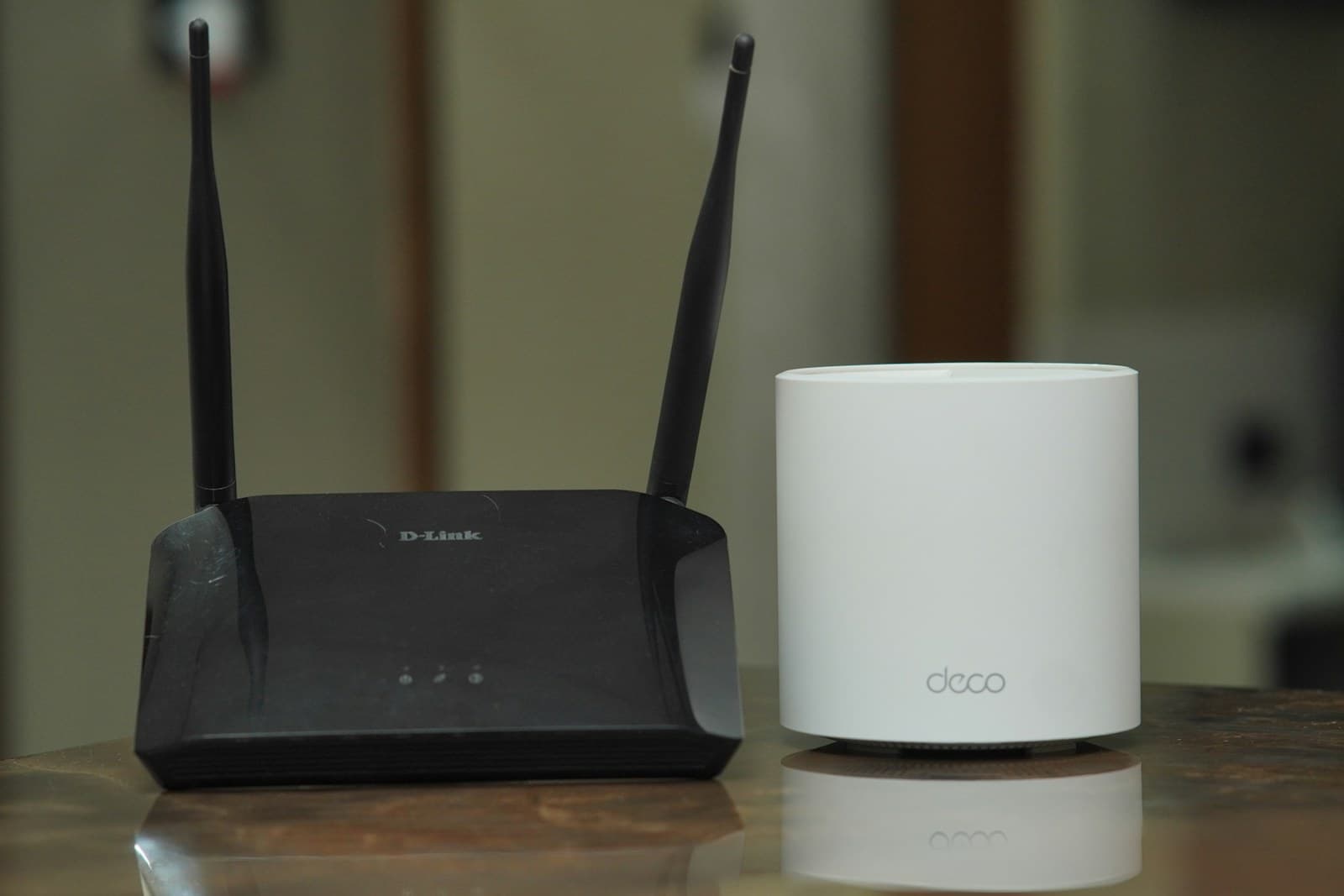
7 min read
Separate an app-status delay, power problem, weak backhaul, bad cable, and failed node with controlled moves. Save factory reset for last.
Read guide7 min read
A thermostat can continue local temperature control while its app loses contact. Check local operation, account status, Wi-Fi scope, and power symptoms in that order.
Read guide
7 min read
Identify the exact lock, use only its documented key or emergency-power method, protect account access, and investigate binding before blaming the electronics.
Read guide9 min read
Make the connected appliance safe, identify the old Wi-Fi and controller path, then test band and security compatibility. Save a factory reset for last.
Read guide8 min read
A short, controlled docking attempt separates dock power, charging contact, wheel and final-approach trouble from a whole-home navigation, map, or battery problem.
Read guide9 min read
A wrong endpoint is not always a software problem. Compare one blind’s stored limit with its physical travel, mount, mechanism, and battery before rebuilding grouped scenes.
Read guide8 min read
Match the first missed video to the status light, temperature, night-vision change, router activity, and Wi-Fi path before deleting a working setup.
Read guide8 min read
The control setting, glass tray, roller support, drive hub, and cookware can all stop rotation while the microwave still appears to run normally.
Read guide7 min read
Test the strip by itself, then map whether the flicker follows an app effect, a scene, one connector, one section, or the matched power hardware.
Read guide8 min read
Use another connected device, a close-range setup test, and the exact network name before deleting the speaker or changing router security.
Read guide8 min read
Check background location, household membership, competing schedules, and the event log before changing HVAC settings or resetting hardware.
Read guide8 min read
Separate an offline doorbell, weak porch Wi-Fi, a phone-app problem, and a service interruption without deleting useful recordings or settings.
Read guide8 min read
Separate an installation rattle or trapped object from a repeating drum-support, belt, pulley, or motor noise without opening the cabinet or guessing at a replacement part.
Read guide8 min read
Use the thermostat’s fan status, a timed cooldown, airflow clues, and one safe filter check before treating a continuous blower as a furnace that will not shut off.
Read guide8 min read
Use the faucet style, your own shutoff map, and the actual plumbing instructions to protect an exterior water point without forcing a valve or draining the wrong line.
Read guide8 min read
Condenser access is model-specific. Verify the manual before pulling a refrigerator away from its water line or treating dust as the reason it is not cooling.
Read guide17 min read
Use the exact washer manual to remove debris, clean only with an approved product and dilution, rinse as directed, dry every fold, and inspect the door seal for leaks or damage.
Read guide18 min read
Track exercise cycles, runtime, service intervals, fuel, battery condition, and post-outage needs without opening electrical or fuel equipment.
Read guide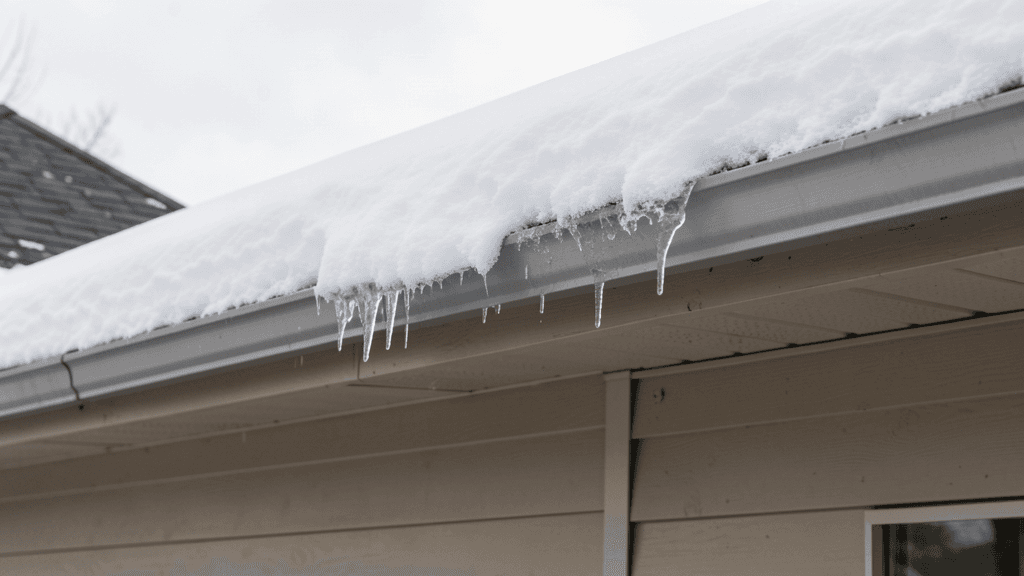
19 min read
Use snow patterns, attic clues, air sealing, insulation, ventilation, and a safe emergency plan to stop recurring roof-edge ice at its source.
Read guide