Build a defensible-space wildfire yard plan from the house outward
Map the first five feet, the rest of the near-home zone, and the outer yard against local rules before clearing vegetation, moving storage, or hiring tree work.
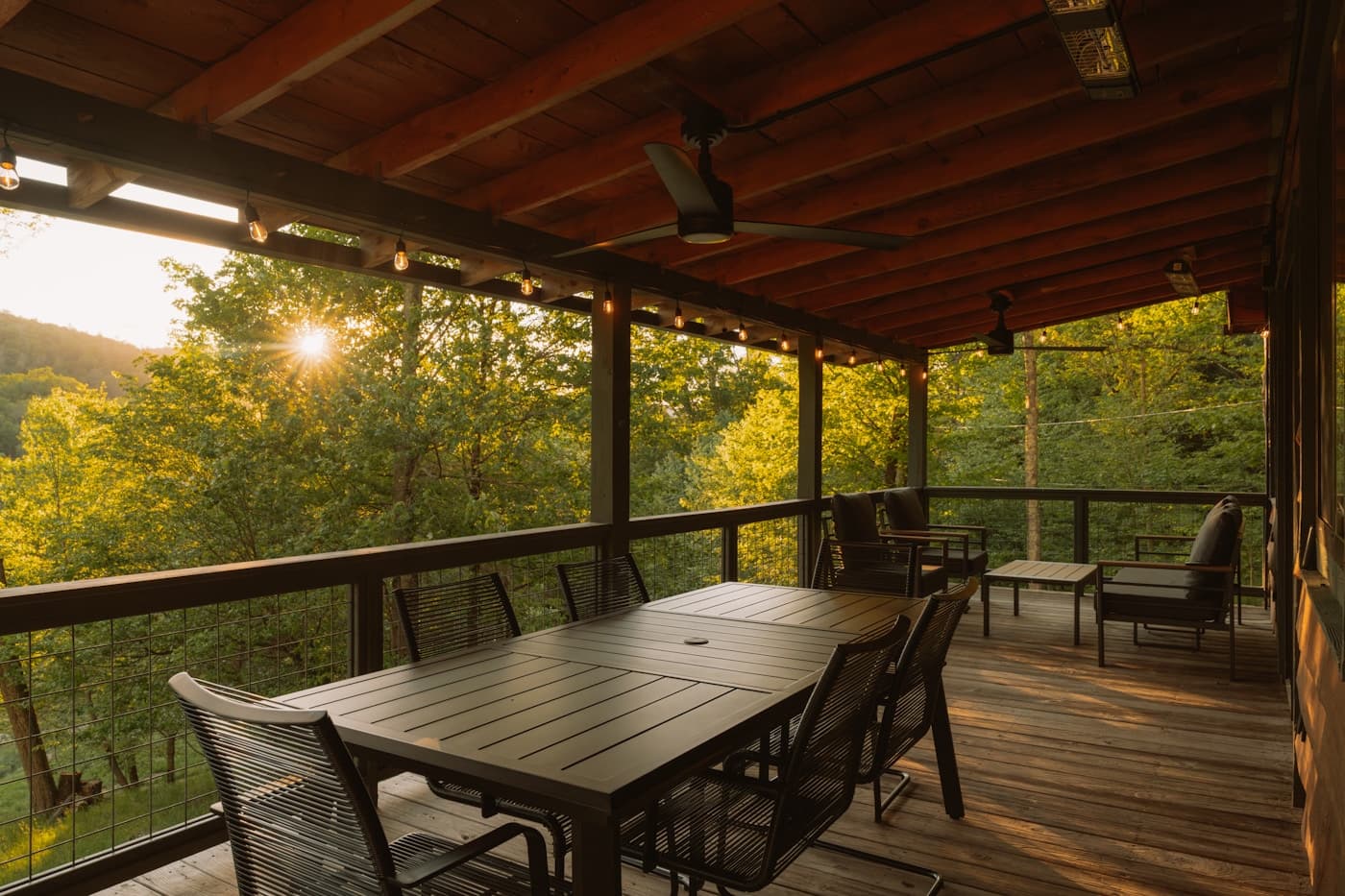
Wind-blown embers and small flames are major home-ignition threats during wildfire. NFPA calls the home plus its surroundings the Home Ignition Zone and identifies the structure and first five feet as the most vulnerable area. USFA uses the same outward sequence in its national education: address combustible material at the building and in the 0–5-foot zone, maintain a leaner 5–30-foot area, then interrupt fuel paths farther out.
Those distances help organize work. They do not establish the law for every parcel. A local rule may use different zone names, distances, vegetation standards, inspection criteria, slope adjustments, disposal requirements, or property-line limits. The FEMA technical fact sheet also tells owners to use local vegetation, weather, and topography and consult local or state fire agencies. California is a useful state-specific example, not a national template: CAL FIRE describes the first five feet as most important and gives detailed 100-foot guidance in places covered by California law, while warning that counties can impose stricter standards.
This plan is for ordinary ground-level observation, low-risk debris removal, documentation, and hiring decisions. Do not work during red-flag, evacuation, hot, dry, or windy conditions. Do not use a mower where a blade can strike rock, burn piles without authorization, fell trees, climb roofs, work on steep unstable ground, or approach power lines. Utilities handle vegetation near their lines; qualified arborists and properly equipped crews handle hazardous trees and high work.
My view: the back fence should not get the first dollar. Clear the ember traps that touch the house, confirm the local rule, and write a repeatable maintenance route before paying for broad clearing. A crew can remove acres of brush and still leave dry needles in a gutter, a wood gate attached to siding, or cushions stored beneath a deck.
The short answer
Defensible space is a maintained buffer where vegetation, debris, stored items, and other fuels are reduced or separated to make ignition around a structure less likely. Start at the house and first five feet, then work outward. The commonly used 0–5, 5–30, and 30–100-foot zones are national planning guidance, not a universal legal standard. Your fire authority, terrain, property line, environmental rules, and current jurisdiction requirements control. No yard plan guarantees a home will survive wildfire.
Cost and effort
Plan the practical side
| Planning area | What to inventory | First decision |
|---|---|---|
| House and 0–5 feet | Roof and gutter debris visible from safe ground; mulch; leaves; needles; plants; furniture; mats; firewood; bins; fencing and gates touching the building; material beneath decks | Remove only accessible loose combustibles in safe conditions. Mark roof, gutter, vent, deck, fence, or height work for qualified help. |
| 5–30 feet | Dead growth; grass; shrubs beneath trees; continuous hedges; overhanging branches; woodpiles; propane area; small structures; furniture; play equipment; access paths | Use the local spacing, pruning, irrigation, disposal, and structure rules. Break continuous paths without indiscriminate clearing. |
| 30–100 feet or local/property limit | Heavy litter; dead trees or limbs; dense shrubs; low branches; canopy spacing; slope; neighboring fuels; sheds; access for crews | Have local forestry or fire guidance define spacing and slope needs. Use qualified crews for trees, steep terrain, machines, or utility proximity. |
| Beyond the worksheet | Shared roads; community greenspace; adjacent wildland; easements; neighboring parcels; evacuation bottlenecks | Coordinate rather than trespass. Community wildfire plans, local foresters, utilities, HOAs, and public agencies may own the work. |
| Need | Dated price reference | What the number does and does not cover |
|---|---|---|
| Dated inventory, map, hand tools, and cleanup using safe supplies already owned | $0 incremental | Covers planning and low-risk ground-level work only. It does not make roof, tree, slope, power-line, smoke, or hot-weather work safe. |
| Paper yard-waste bags where the local program accepts them | $2.37–$2.47 for five 30-gallon Home Depot paper lawn-and-leaf bags | A U.S. online retail example checked October 2, 2026. Local green-waste rules may require a cart, bundle, drop-off, chipper program, or no bag at all. |
| Bagged pea gravel considered for a small model-approved noncombustible patch | $5.47 per 0.5-cubic-foot bag; the listing states up to 1.98 square feet at 3 inches deep | At that stated coverage, a 100-square-foot area would require about 51 bags before waste, edging, base preparation, delivery, drainage, or labor. Get bulk quotes for a perimeter rather than multiplying a bag price blindly. |
| Local defensible-space assessment | $0 may be available from participating local programs; verify locally | CAL FIRE describes no-cost educational assessments through approved organizations in its program area. Availability, scope, inspection status, and eligibility are not national. |
| Arborist, steep-slope, tree, utility-adjacent, hauling, hardscape, or major clearing work | Obtain at least two local written scopes | No reputable national flat price fits acreage, slope, access, vegetation, tree risk, disposal, licensing, permits, or equipment. Compare the same mapped zones, exclusions, cleanup, and verification. |
Find the authority for this address before adopting a zone diagram
Start with the local fire department or fire protection district. Then check the state forestry or wildfire agency, municipal or county code and weed-abatement office, and any inspection program that covers the parcel. Ask which map establishes the hazard area, which structures are covered, how distance is measured, whether the property line limits work, how slope changes spacing, what vegetation rules apply, and whether an inspection or permit is required. Record the page URL, revision date, office, phone number, and the name or case number attached to any answer. If guidance conflicts, ask the enforcing authority for written clarification. Do not assume that a national brochure, an insurer checklist, an HOA rule, and the fire code carry the same authority.
- Questions to ask
- What zones and distances apply? From what point are they measured? Does slope alter spacing? Are there chimney, propane, access, protected-tree, erosion, nesting-season, burn, or disposal rules? Who inspects, and what documentation is accepted?
- California example
- CAL FIRE says California's state requirement applies in defined areas and describes work out to 100 feet or the property line, while noting that counties may have stricter standards. Treat that as California-specific direction and verify the current rule for the exact parcel.
- National guidance
- USFA and NFPA organize the Home Ignition Zone as 0–5, 5–30, and outward to 100 feet or beyond. Use those bands to make a worksheet, not to declare local compliance.
Draw the yard from the structure outward and mark conditions, not solutions
Sketch the footprint of the house and every attached part: decks, porches, stairs, bay windows, fencing, gates, pergolas, and carports. Add detached garages, sheds, play structures, tanks, firewood, vehicles, trees, hedges, drainage, driveways, gates, and the property line. Use a tape or a map only where conditions are safe; estimate and flag areas that require professional measurement rather than crossing unstable slopes or private property. Mark north, uphill, downhill, likely wind exposure, and neighboring vegetation. Photograph each exterior wall straight on, then the same area looking outward. The resulting map should show where fuel can continue from groundcover to shrub to tree to structure, where embers can collect, and where responders or occupants might encounter blocked access.
- Photo set
- One wide image per side of each structure; close images of leaves, mulch, fence attachments, stored items, deck undersides, low branches, dead material, driveway pinch points, visible roof-edge debris, and utility conflicts.
- Slope
- Do not convert a phone estimate into a pruning prescription. NFPA and CAL FIRE both note that spacing may need to increase with slope and site conditions. Have the local authority or qualified forestry professional set the actual treatment.
- Neighbors
- Map a shared concern without entering, cutting, spraying, or moving anything on another parcel. Ask the fire authority how coordinated work is handled.
Clear the house and first five feet before reshaping the outer yard
NFPA calls the home and 0–5-foot immediate zone the most important place for immediate action; USFA tells residents to keep that first five feet clear of flammables such as woodpiles, wood mulch, dead vegetation, pine straw, and trash. Begin with accessible leaves and needles against walls, on porches, at door thresholds, beneath ground-level deck edges, and around attached fences. Move combustible storage, mats, cushions, lumber, firewood, and bins to a location approved by local guidance. Identify combustible mulch and plants touching siding, windows, vents, or eaves for removal or relocation under the local plan. From safe ground, note roof, gutter, vent, screen, siding, and deck issues for qualified home-hardening help. Do not climb because a five-foot yard task revealed a roof problem.
- First-pass checklist
- Loose debris removed; nothing combustible stored against walls; deck underside and stair area visible; attached fence transition recorded; vegetation not touching the building; doors, vents, windows, meters, and exits remain accessible.
- Hardscape decision
- Gravel, pavers, or concrete can create noncombustible surface, but drainage, accessibility, buried utilities, grading, snow, erosion, and local rules matter. Price the area and base preparation before buying bagged material.
- Home-hardening boundary
- Vent replacement, roof and gutter access, siding repair, deck reconstruction, window work, and electrical or gas equipment are separate scopes for qualified people and applicable permits.
Break fuel continuity in the next band without stripping the site blindly
In the 5–30-foot planning band, inventory dead and dying growth, shrubs beneath tree canopies, continuous hedges, grass, woodpiles, small structures, and tree branches that overhang or approach the house. USFA advises pruning and removing dead material from well-spaced vegetation in this area. NFPA adds fuel breaks such as paths and patios and warns against ladder fuels that let surface fire climb into crowns. Translate those principles through local species, slope, water, erosion, and habitat guidance. Remove dead debris in manageable ground-level batches. Maintain live plants according to locally appropriate care. Do not top trees, clear roots that stabilize a slope, create bare eroding soil, or accept a contractor's claim that every plant must go without a written site-specific reason.
- Fuel-path test
- Trace whether grass or mulch reaches a shrub, the shrub sits beneath low branches, the canopy reaches another tree or the roof, and a fence or shed carries the path to the building. Break the path at the safest locally approved point.
- Storage
- Move firewood, lumber, cushions, portable fuel, play equipment, and vehicles according to local rules and product safety requirements. Never put gasoline or portable propane cylinders inside the living area merely to move them from a yard zone.
- Plant choice
- Prefer locally appropriate plants that can be kept healthy, clean, and separated. Maintenance and placement matter more than a marketing label.
Use the outer yard to reduce fuel paths and protect safe access
The 30–100-foot national planning band, or the local/property limit, is generally about reducing heavy accumulations and interrupting horizontal and vertical fuel paths rather than making bare ground. USFA describes thinning and spacing vegetation and limbing trees so fire is less able to move upward and across the yard. NFPA says the goal in its extended zone is to interrupt fire's path and keep flames smaller and on the ground, with spacing adjusted for slope, species, and site conditions. Mark dead trees, hanging limbs, dense seedlings, heavy litter, shrubs under trees, vegetation around outbuildings, and narrow driveway points. Have a qualified arborist or forestry professional write the tree and slope prescription. Keep address signs visible, gates operable, and routes clear under local responder-access rules.
- Tree work
- Use an appropriately credentialed, insured tree professional for large limbs, removals, climbing, rigging, decay, storm damage, steep ground, or targets such as buildings and roads.
- Power lines
- Do not prune or remove trees near overhead or service lines. Contact the utility; a landscape or tree crew without utility authorization is not a safe workaround.
- Access
- Ask the local fire authority about driveway width, vertical clearance, turnarounds, bridges, gates, locked access, address visibility, and roadside vegetation. Do not invent dimensions from a national article.
Choose a safe work day and a legal debris route
Schedule routine work well before fire weather. Check official weather, fire restrictions, air-quality conditions, evacuation status, and local equipment limits the same day. CAL FIRE's dry-condition advice says to mow before 10 a.m. and never on a hot or windy day, but that is a California example; local rules may be stricter or prohibit work altogether. Stop when vegetation is extremely dry, wind rises, visibility drops, smoke appears, an alert is issued, equipment sparks, or the work creates heat. Do not use a mower or metal blade where it can strike rocks. Decide the legal disposal path before cutting: curbside green waste, transfer site, chipper event, approved on-site chipping, contractor haul-away, or another local program. A pile of slash left beside a structure is not completed mitigation.
- Work-day go/no-go
- No warning or evacuation; authority allows the task; cool and calm conditions; hydrated adults; appropriate clothing and eye, hearing, hand, and respiratory protection for the task; charged phone; first-aid kit; clear exit; equipment in safe condition.
- Automatic no
- Power-line proximity, active fire or smoke, red-flag or equivalent warning, high wind, hot metal work, unstable slope, dead overhead limb, roof access, burn pile, chainsaw work without competence and protection, or any evacuation instruction.
- Debris record
- Save facility receipt, program date, contractor haul ticket, or dated completion photo. Confirm whether chipped material is allowed in each local zone before spreading it.
Hire by a mapped scope, not by the phrase brush clearing
Give each bidder the same map, local guidance, photos, and list of structures. Ask the proposal to identify the exact zone or work area; material to remove, prune, retain, chip, or haul; tree and slope method; utility coordination; erosion protection; disposal location; permits; access; equipment; cleanup; exclusions; and final walk-through. Verify licensing where required, liability insurance, workers' compensation where applicable, and arborist or forestry credentials for the work. A low quote that leaves slash, damages retained trees, or ignores the first five feet is not comparable to a complete scope. Do not ask a crew to certify code compliance or insurance eligibility unless they are legally authorized and the document says exactly what it proves.
- Quote comparison
- Same mapped area; same retained plants; same tree list; same disposal method; same hardscape assumptions; same cleanup; same permit and utility responsibility; same photo record; same exclusions.
- Change orders
- Require written approval before added tree removal, equipment, haul loads, hardscape, irrigation repair, erosion control, or disposal. Photograph hidden conditions before authorizing a change.
- Assistance
- Ask the local fire authority, fire safe council, forestry office, utility, county, or community program about assessments, chipper days, cost share, senior or disability help, and income-qualified programs. Availability changes, so record the current answer rather than promising aid.
Create a maintenance trigger list and keep evacuation separate
Walk the same photo points after wind events, leaf drop, snow damage, dry-season growth, contractor work, and before the local high-risk season. Remove new accessible debris in safe conditions, keep storage from drifting back toward the house, and compare vegetation with the local spacing plan. Set reminders by triggers rather than one national date: first cured grass, first major leaf drop, post-wind accumulation, local inspection period, and the start of restrictions. Store the current map, authority guidance, assessment, invoices, receipts, plant and tree notes, and photos with the home record. Separately, use Ready.gov and local emergency management to maintain alerts, communication, medications, animal transport, documents, and evacuation routes. When told to leave, leave. Last-minute yard work during a threat puts people and responders at risk.
- Quarterly photo points
- Each exterior wall and first five feet; deck and stairs; attached fence; wood and fuel storage; propane area; sheds; key tree groupings; driveway and gate; address sign; neighboring edge.
- After a change
- Recheck after landscaping, fence or deck work, a new shed, storm damage, utility pruning, irrigation failure, drought restrictions, or a neighboring vegetation change.
- No guarantee
- Defensible space and home hardening can reduce ignition opportunities. Wildfire behavior, weather, ember exposure, building condition, surrounding fuels, and response conditions vary; no checklist promises survival, firefighter defense, regulatory approval, or insurance outcome.
Put the guide to work
Field notes
- Distances are guidance
- Use 0–5, 5–30, and 30–100 feet as a worksheet only until the local fire department, district, forestry agency, inspection program, or other authority confirms what applies at the address. Measure from the furthest attached exterior point when the local guidance says to do so.
- Start at every structure
- Map the house, attached deck, porch, stairs, fences and gates, plus garages, sheds, play structures, propane equipment, and other outbuildings. A detached combustible structure can create its own fuel path.
- Record the site
- Note slope direction, prevailing wind exposure, neighboring vegetation, driveway width and turnaround, gates, hydrants or water sources, address visibility, overhead lines, drainage, habitat restrictions, and the property line.
- No fireproof plant list
- Plant moisture, dead material, resin, spacing, maintenance, drought, and placement all matter. Use local extension or fire-authority advice and remove dead growth; a retail 'fire-resistant' tag is not a guarantee.
- Evacuation comes first
- A maintained yard does not replace alerts, a household communication plan, go-bags, medications, animal transport, two route options, or immediate compliance with an evacuation order.
- Document without promising
- Dated photos, maps, disposal receipts, contractor scopes, and inspection notes show what was done. They do not certify compliance, guarantee insurance treatment, or prove the property will survive a fire.
Common questions
Frequently asked questions
- What is defensible space around a home?
- It is the maintained area around a structure where vegetation, debris, stored items, and other combustible fuels are removed, reduced, or separated to lessen ignition opportunities and give responders a safer work area. The actual required distance and treatment depend on local law, terrain, vegetation, and the property.
- How far should defensible space extend?
- USFA and NFPA commonly teach 0–5, 5–30, and 30–100-foot planning zones, with some NFPA discussion extending to 200 feet. Those are national guidance, not one universal legal requirement. Confirm the distance, measurement point, slope adjustment, and property-line rule with the authority for the address.
- Is the first five feet really the first priority?
- Yes in current NFPA, USFA, IBHS, and CAL FIRE guidance because embers can ignite debris and combustible items beside the structure. Begin with the house, attached features, and first five feet, while using the exact local requirements for what may remain there.
- Does California require the same defensible space as every other state?
- No. CAL FIRE's distances, zones, and Public Resources Code discussion are California-specific, and CAL FIRE notes that counties may be stricter. Other states and local districts use their own laws and programs. Use California as an example of jurisdictional detail, not a national rule.
- Do I have to remove every plant near the house?
- Follow the rule that applies locally. National groups recommend a noncombustible immediate zone, but enforcement language and allowed vegetation vary. Do not rely on a 'fire-resistant' label. Ask the local authority about plants, mulch, irrigation, drainage, and attached landscape features.
- Can I do defensible-space work during a red-flag warning?
- No routine yard project is worth starting during dangerous fire weather or an evacuation. Follow official restrictions and alerts. Avoid mowing, metal-blade contact, power equipment, burning, and other ignition risks in hot, dry, or windy conditions, and leave immediately when ordered.
- Who should trim trees near power lines or on a steep slope?
- Contact the utility for line-clearance concerns. Use qualified, insured arborists or forestry professionals for hazardous trees, climbing, rigging, large limbs, removals, or steep terrain. Do not let an ordinary yard-cleanup scope drift into utility or hazardous-tree work.
- Will defensible space guarantee insurance or save the house?
- No. It does not guarantee survival, firefighter defense, code approval, certification, a premium discount, or policy renewal. Keep dated records and ask the insurer and local authority exactly what documentation they require, but treat mitigation as risk reduction rather than a promise.
Use the findings
Open the detailed check for what you found
Make the next step useful
Put this guide on your home plan
Know when to call a professional. Stop if work involves active gas leaks, damaged service wiring, structural movement, unsafe heights, suspected contamination, or a problem you cannot confidently isolate.
Editorial review and sources
Reviewed by: Smart Homeowners Editorial Desk
Last reviewed: October 2, 2026
Original Smart Homeowners editorial; not adapted from a third-party article.
- National Fire Protection Association — Preparing Homes for Wildfire
- U.S. Fire Administration — Take Action on WUI Projects
- U.S. Fire Administration — Before a WUI Fire
- FEMA — Home Builder's Guide to Construction in Wildfire Zones: Defensible Space
- Ready.gov — Wildfires
- Insurance Institute for Business & Home Safety — Create a Wildfire-Resistant Yard with Defensible Space
- CAL FIRE — Defensible Space
- The Home Depot — Paper Lawn and Leaf Bags
- The Home Depot — Vigoro Bagged Pea Gravel