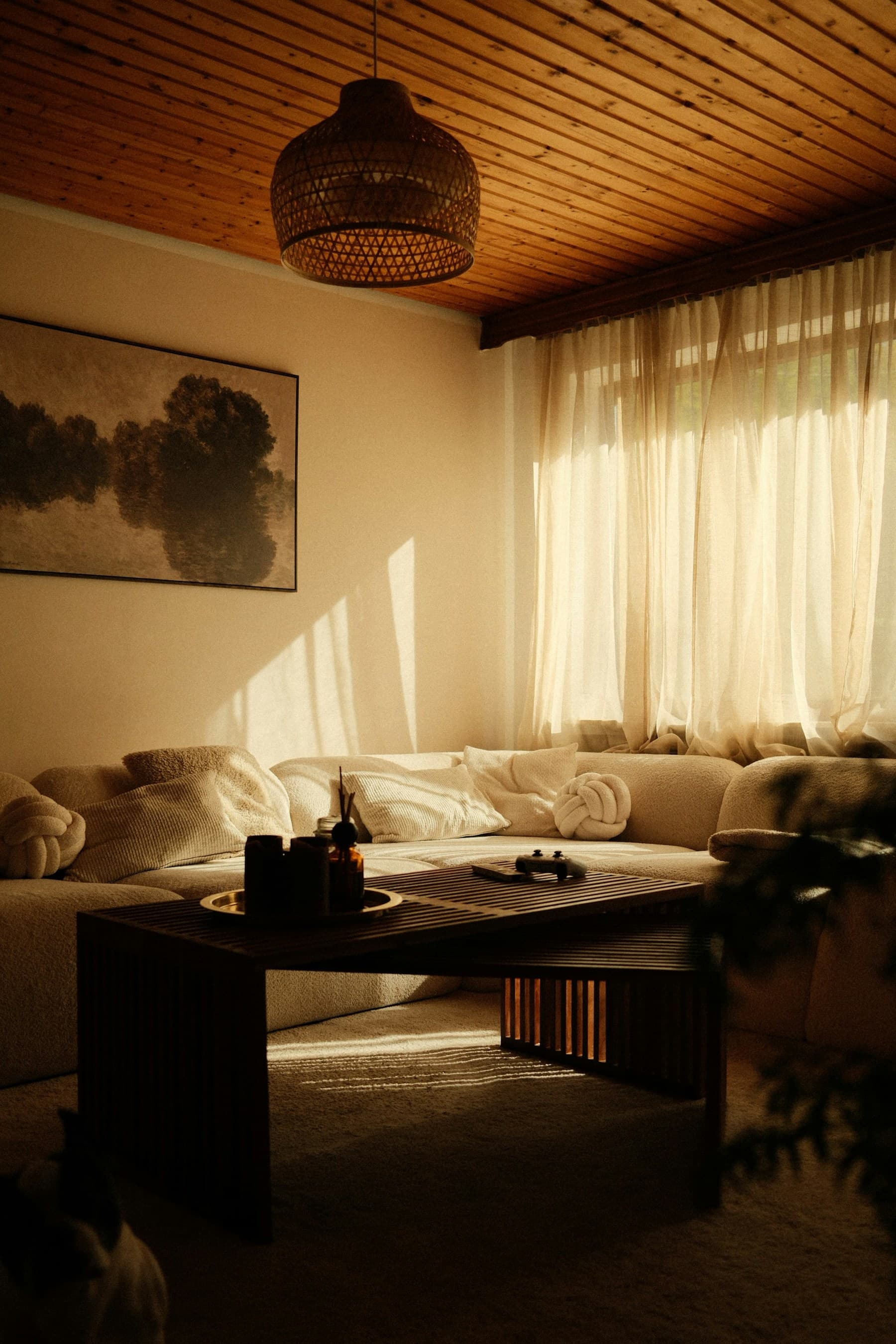
Plan a bathroom refresh by solving function before choosing finishes
Use daily routines, moisture clues, storage needs, and accessible clearances to decide whether a bathroom needs a refresh, repair, or a larger project.
Bathrooms are small rooms with high moisture, electrical, plumbing, cleaning, and accessibility demands. A good refresh begins with what fails during a normal morning—not a finish board.
This guide helps define scope. Active leaks, damaged wiring, visible mold, failing fixtures, or structural concerns should be evaluated before cosmetic work.
The short answer
A bathroom refresh lasts longer when moisture, ventilation, layout constraints, and storage are addressed before paint, fixtures, or decorative purchases.
List the functional failures
For one week, note water on the floor, crowding, lack of towel drying, inadequate light, storage overflow, and cleaning friction. Sort each note into repair, layout, storage, or finish.
Inspect water and ventilation clues
Look under accessible sinks, around toilets, at caulk lines, and after a normal shower. Document recurring dampness or odor before covering it with new trim or paint.
Set a scope ladder
A light refresh may include hardware, lighting, paint, and storage. Moving plumbing, replacing a shower assembly, changing electrical circuits, or correcting moisture damage belongs in a larger documented project.
Measure before selecting products
Record vanity depth, door swings, drawer clearance, mirror height, and fixture locations. Check product installation instructions and wall support requirements before buying heavy shelving or a vanity.
Sequence the work
Address leaks, substrate, ventilation, electrical, and permitted work before finishes. Keep product receipts, paint formulas, manuals, and photos of concealed work in the home record.
Use a bathroom completion check
After work, run water, use the fan, inspect lighting at night, test storage with actual daily items, and photograph valve and fixture information. Stop for leaks, power issues, or wet surfaces that recur.
Put the guide to work
Field notes
- Observe rush hour
- Watch the room during the busiest household use: where people wait, what gets wet, and which items have no home.
- Map moisture
- Note condensation, soft finishes, loose grout, stained ceilings, and poor exhaust before choosing paint or wallpaper.
- Measure clearances
- Measure door swings, fixture spacing, storage depth, and routes; beautiful storage that blocks a drawer or mobility path is not useful.
- Separate repair from finish
- Plumbing, ventilation, electrical, and substrate fixes need a scope and appropriate trade before any surface choice.
Make the next step useful
Put this guide on your home plan
Know when to call a professional. Stop if work involves active gas leaks, damaged service wiring, structural movement, unsafe heights, suspected contamination, or a problem you cannot confidently isolate.
Editorial review and sources
Reviewed by: Smart Homeowners Editorial Desk
Last reviewed: August 26, 2026
Original Smart Homeowners editorial; not adapted from a third-party article.