The furniture to anchor first in every room
Dressers and televisions lead the list, but bookcases, cabinets, and tempting storage can create the same climb-and-tip hazard.
Furniture stability cannot be judged by pushing on a closed, empty piece. Open drawers move weight forward, carpet can change the stance, televisions add load, and a child may climb toward an object placed on top. CPSC guidance prioritizes anchoring rather than relying on supervision or perceived weight.
Work room by room and use the furniture and restraint manufacturer’s instructions. The connection is a system: the furniture attachment, strap or bracket, wall-side fastener, and supporting wall structure all have to be appropriate.
The short answer
Anchor top-heavy furniture and televisions according to manufacturer instructions, then remove objects that invite climbing and keep heavy items low.
Start with dressers and clothing storage
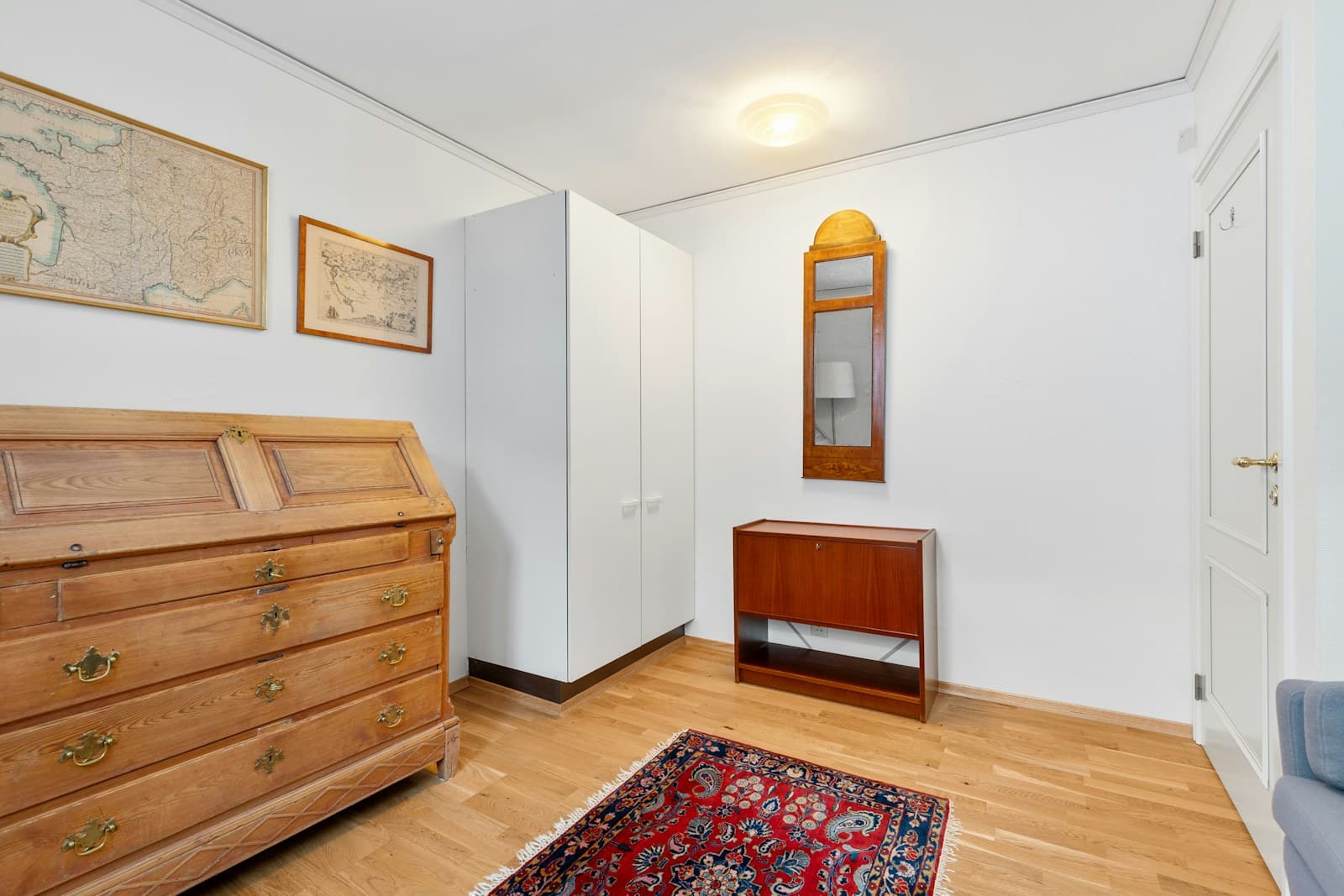
Anchor dressers, armoires, and other clothing storage units even when they feel stable. Open drawers shift weight forward, and children may use drawers as steps.
Secure every television setup
Wall-mount flat screens correctly or anchor a television that sits on furniture. Use a sturdy, low base designed for the television and place older heavy sets only on suitable furniture.
Walk the bookcase and cabinet line
Check tall bookcases, display cabinets, freestanding pantry units, and narrow shelving. Prioritize pieces that are top-heavy, stand on carpet, or have doors and drawers that can change the center of gravity.
Use the correct attachment points
Follow the furniture and anchor manufacturer instructions. The wall-side connection must engage suitable structure or an approved attachment method for that wall; a fastener placed only in weak material may provide false confidence.
Make climbing less tempting
Move toys, remote controls, treats, and frequently wanted objects off furniture tops. Put heavy items on lower shelves and route television cords where children cannot pull them.
Use a room-by-room anchoring priority
Start with rooms children visit without close supervision, then identify freestanding dressers, bookcases, armoires, televisions on furniture, and pieces that are top-heavy when drawers are open. Use the manufacturer’s anchoring hardware or an appropriate rated kit installed into suitable wall framing; if the wall or furniture construction is uncertain, ask a qualified installer rather than guessing at an anchor.
Put the guide to work
Field notes
- Inventory first
- Photograph every dresser, armoire, television, tall bookcase, display cabinet, pantry unit, and narrow freestanding shelf. Note carpet, uneven floors, doors or drawers, and objects that invite climbing.
- Match the restraint
- Use the restraint supplied with the furniture when directed or a compatible product whose instructions cover the furniture and wall type. Do not assume a small generic fastener in drywall alone is adequate.
- Check the wall side
- Identify suitable framing or use an attachment specifically approved for the wall construction and load. Avoid hidden wiring and plumbing; ask a qualified installer when the wall or fastener path is uncertain.
- Finish the room
- Place heavy objects low, remove desired items from furniture tops, route cords out of reach, and recheck restraints after moving furniture, changing televisions, or noticing loose hardware or wall damage.
Make the next step useful
Put this guide on your home plan
Know when to call a professional. Stop if work involves active gas leaks, damaged service wiring, structural movement, unsafe heights, suspected contamination, or a problem you cannot confidently isolate.
Editorial review and sources
Reviewed by: Smart Homeowners Editorial Desk
Last reviewed: August 25, 2026
Original Smart Homeowners editorial; not adapted from a third-party article.