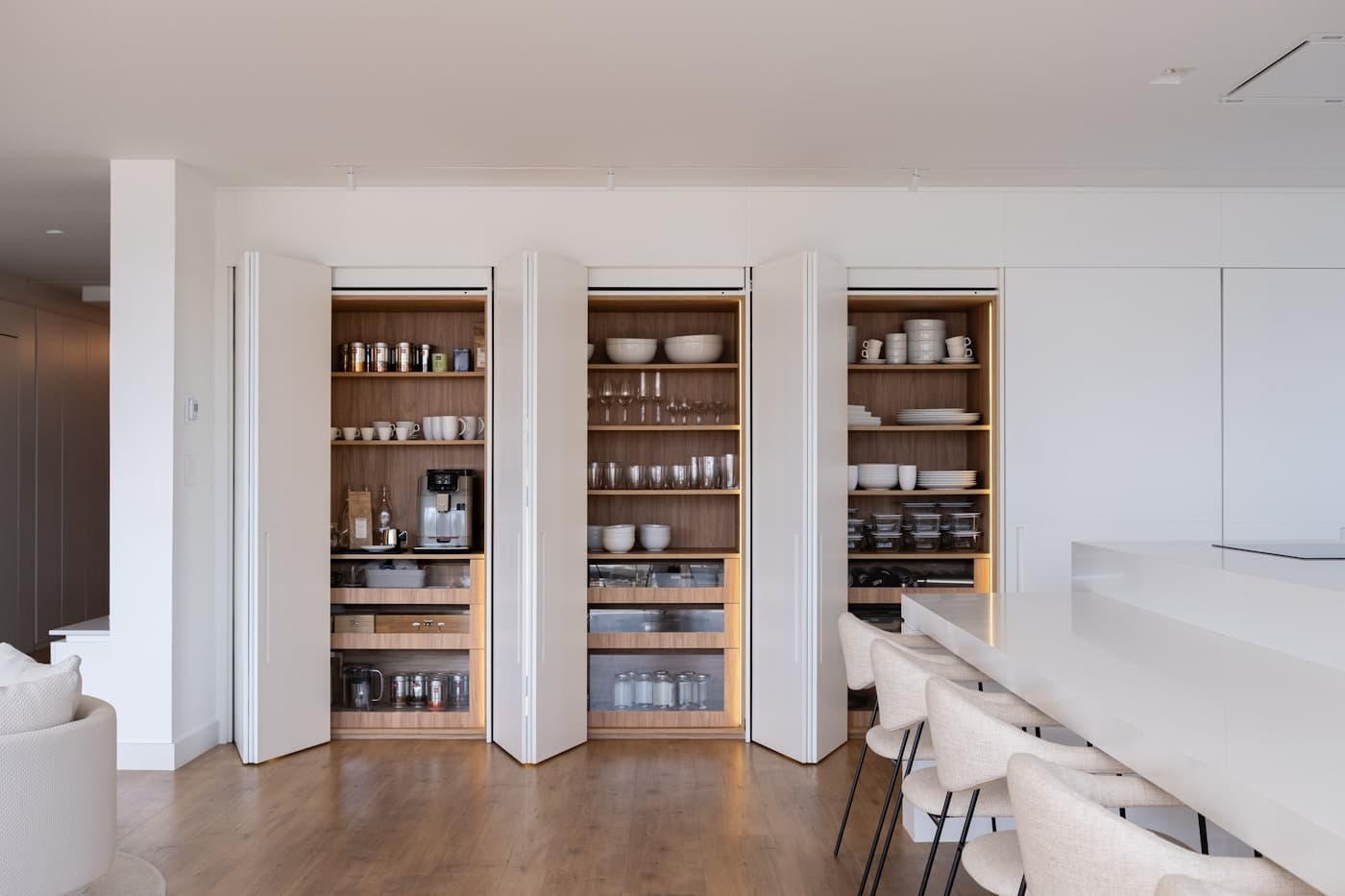
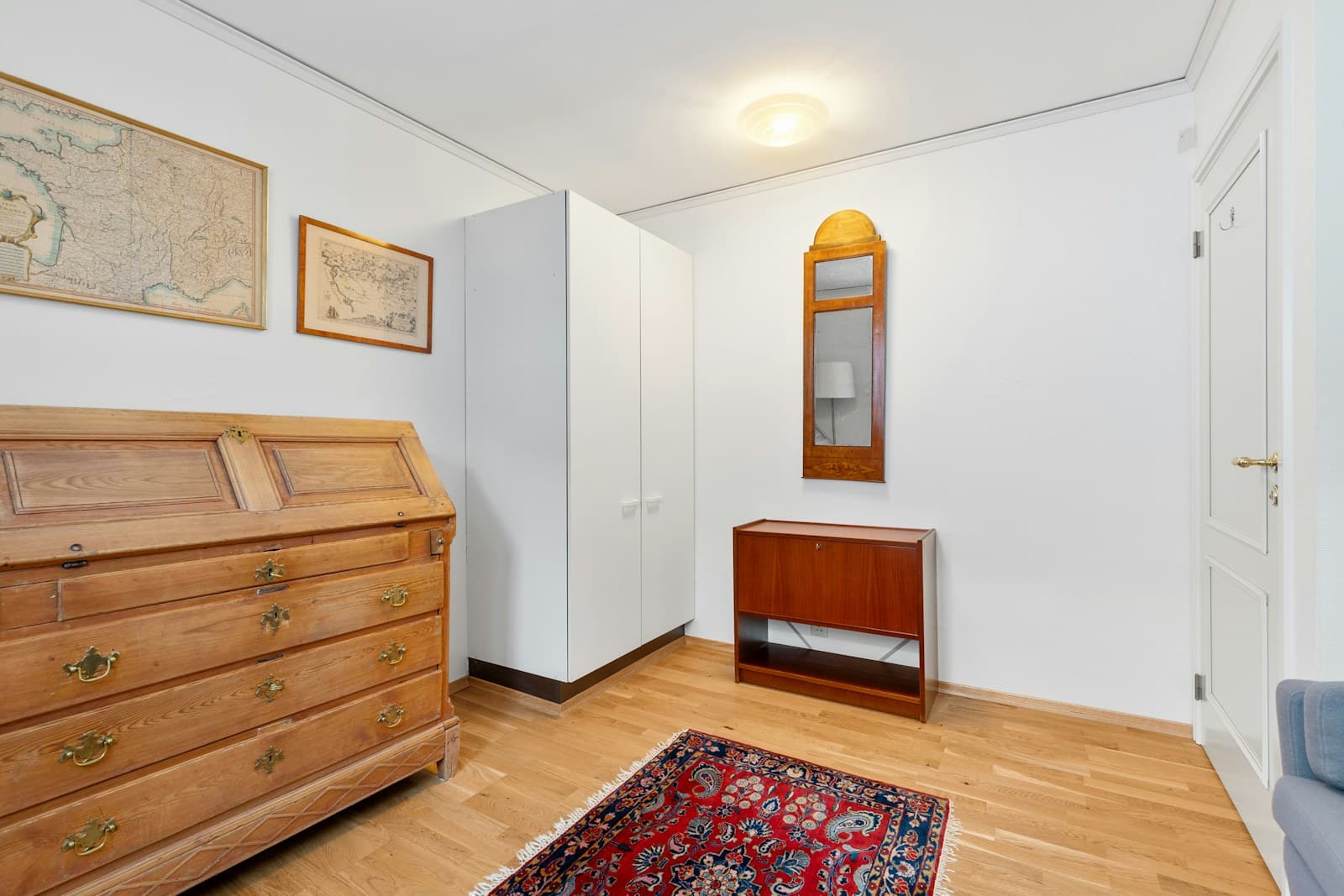
3 decorating decisions that make a room feel finished
A practical order for choosing lighting, scale, and contrast before adding more furniture or accessories.
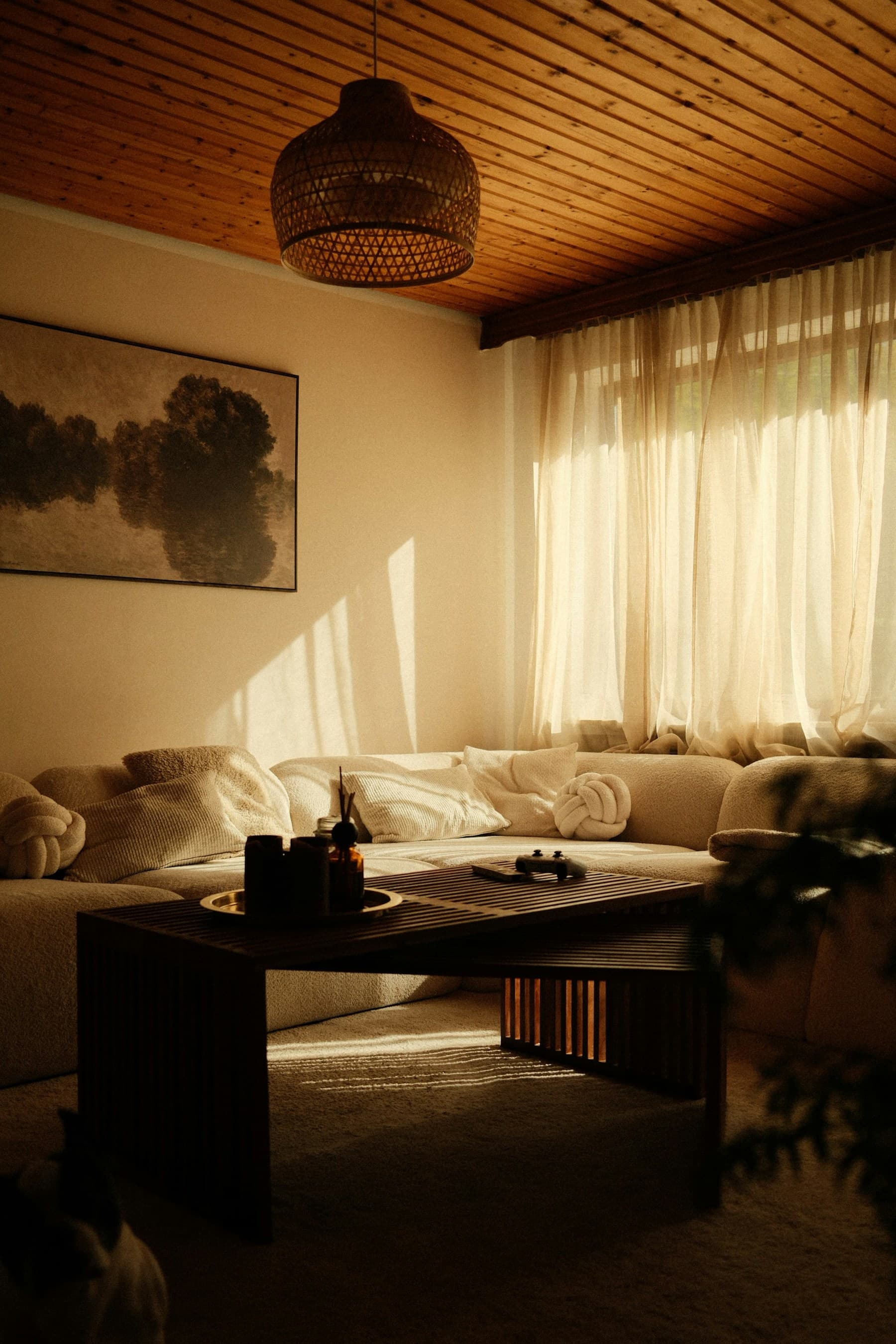
A room can feel unfinished because its everyday functions have not been resolved—not because it lacks another decorative object. Start with movement, lighting, and the largest pieces, then add contrast only after the room works.
This is a flexible room-planning framework. Measure, tape out, and test before buying; household needs, accessibility, wiring, and furniture anchoring matter more than a trend.
The short answer
Lighting, scale, and repeated contrast do more to finish a room than another layer of small accessories.
Define the room before shopping
Write down the two or three jobs the room must do: conversation, reading, television, homework, meals, play, or passage to another area. Note how many people use it at once and which objects have no proper home. This prevents a room from being planned around a single photograph rather than the people who live in it.
- Decision test
- If a proposed item blocks a door, hides a register, removes a walking path, or has no role in the written room job, leave it out of the first purchase round.
Make a measured floor plan
Measure wall lengths, door swings, windows, baseboard heaters, registers, outlets, and the largest existing furniture. Mark the information on paper or in a phone sketch, then use painter's tape to test the footprint of a sofa, rug, table, or storage piece. A taped outline shows circulation and door conflicts that a product listing cannot.
- Before delivery
- Measure the route into the home, elevators, turns, and stair landings as well as the room. Confirm furniture can arrive without damaging walls or forcing an unsafe lift.
Solve light in layers
First identify ambient light, task light, and the dark corners that make the room feel unfinished. Add a reading lamp or focused work light where it is actually needed, then use softer secondary light to reduce glare. Check a room after dark before selecting paint or a large color change; daylight alone is not the whole room.
- Safety boundary
- Use listed fixtures and bulbs within their labeled ratings. Do not overload extension cords, run cords under rugs, cover lamps, or improvise wiring to reach a layout.
Set the scale with the largest pieces
Place seating, rug, curtains, and the main storage piece before accessories. Confirm that seating can face the conversation or activity area, that a table can be reached without a squeeze, and that window treatments relate to the full window or wall rather than only the glass. Keep enough clearance for the people who use the room most.
- Check twice
- Walk the planned routes with a laundry basket or mobility aid if relevant. A room that looks balanced but cannot be used comfortably is not finished.
Add contrast, then edit
Choose one or two repeating notes—such as a warm wood tone, a dark line, or a curved shape—and repeat them deliberately rather than buying a matching set. Photograph the room from the doorway, put the phone away for a day, and remove what feels incidental. The final edit often creates more calm than another accessory.
- Anchor where needed
- Secure top-heavy storage and televisions according to manufacturer instructions before styling their tops or shelves.
Put the guide to work
Field notes
- Write the room job
- List who uses the room, how people enter it, what needs to be stored, and what activities require light or surfaces. That list prevents purchases that fight the room.
- Measure circulation
- Record walls, doors, windows, registers, outlets, and likely walking paths. Use painter's tape to test a rug or furniture footprint before delivery.
- Layer light safely
- Use task lighting where people read, cook, or work, and avoid overloaded extension cords, covered lamps, or fixtures beyond their labeled rating.
- Edit before adding
- Choose one repeated color, material, or shape and remove visual clutter that competes with it. Recheck the room at day and night before buying more.
Make the next step useful
Put this guide on your home plan
Know when to call a professional. Stop if work involves active gas leaks, damaged service wiring, structural movement, unsafe heights, suspected contamination, or a problem you cannot confidently isolate.
Editorial review and sources
Reviewed by: Smart Homeowners Editorial Desk
Last reviewed: August 26, 2026
Original Smart Homeowners editorial; not adapted from a third-party article.