Furnace turns on but there’s no heat? Separate airflow from ignition trouble
A thermostat can call for heat while the blower moves cool air, a safety control stops combustion, fuel is unavailable, or heat never reaches the rooms. Record the sequence before resetting anything.
'The furnace runs' can describe several different events: the thermostat display is on, the indoor blower starts, an inducer starts, or the burners actually produce heat. Record what happens in order and whether the supply air changes. That sequence gives a technician more than repeated resets.
Fuel-burning equipment combines electricity, combustion, hot surfaces, and venting. Do not remove service panels, relight an unfamiliar pilot, test voltage, bypass a door switch, or defeat a safety control. Use the installed model's manual for homeowner-visible indicators only.
The short answer
Confirm thermostat mode and setpoint, check safe external power and an accessible filter, then observe one complete startup from outside the cabinet. Leave panels closed. Get everyone out and call the gas utility or emergency service for a gas odor or carbon-monoxide alarm; use qualified HVAC service for ignition, fuel, venting, wiring, or repeated shutdown.
Check for an immediate combustion warning
If you smell gas, hear blowing or hissing near a fuel line, see soot or flame outside the intended area, or a carbon-monoxide alarm sounds, leave promptly without operating switches and call the gas utility or emergency service from a safe location. Do not investigate the cabinet.
Verify the thermostat request
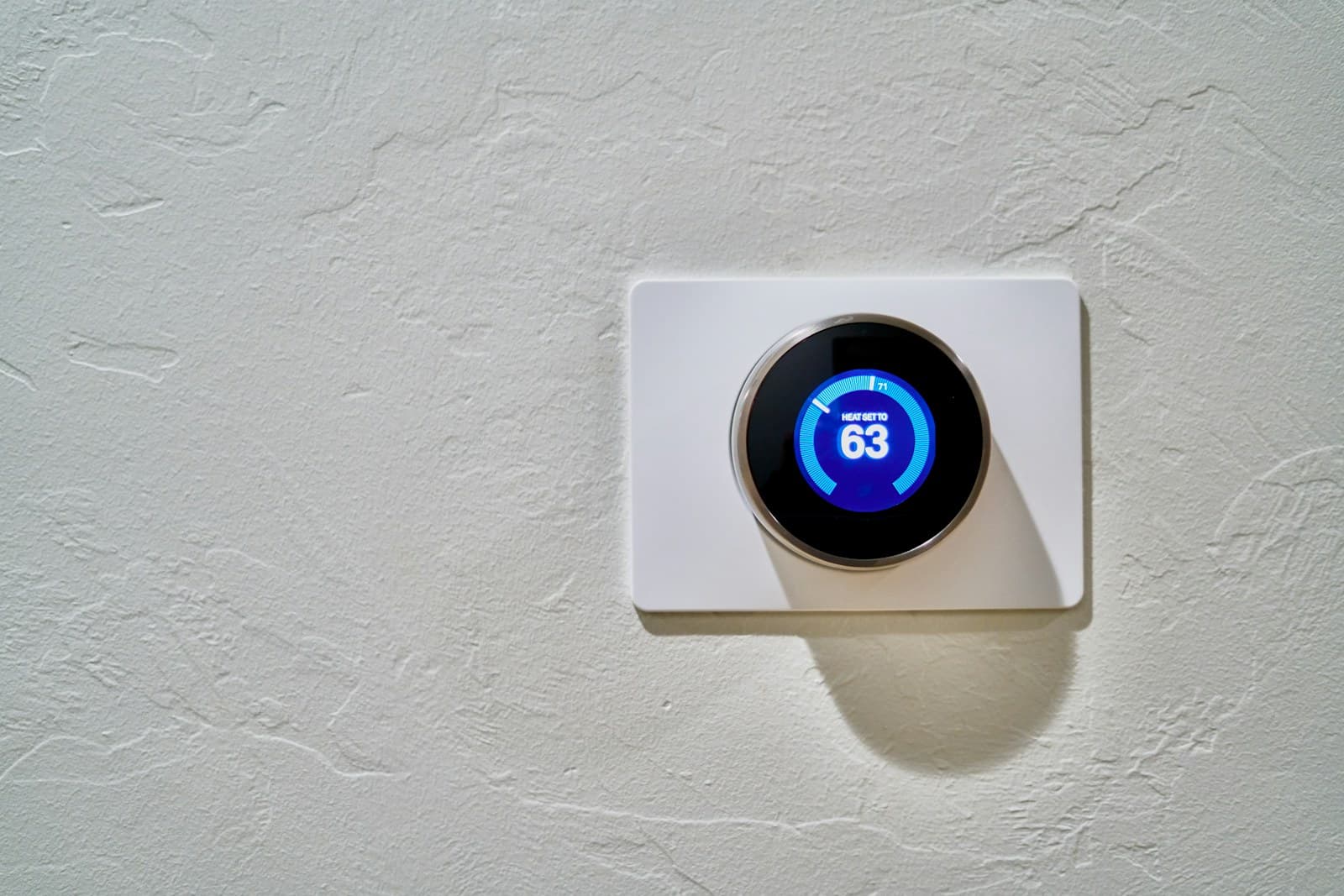
Confirm heat mode, a setpoint above room temperature, the active schedule, and the sensor or zone controlling the call. Replace thermostat batteries only when the manual specifies them. Record the displayed temperature and time rather than raising the setpoint repeatedly.
Check the safe external path
Confirm the furnace service switch has not been turned off and visually inspect the correctly labeled breaker from the closed panel. Check the accessible filter against the required size, direction, and service instructions. Do not force a breaker that trips again or run equipment without its specified filter.
Observe one startup sequence
From outside the closed cabinet, note which sounds begin, whether an error light or code appears, when the blower starts, how long the cycle lasts, and whether supply air warms. Do not remove a viewing panel unless the manufacturer explicitly identifies it as user access.
Compare airflow by room
Keep returns and supply registers open and unobstructed. Record whether airflow is weak everywhere or whether only certain rooms remain cold. A closed damper, duct, zoning, or balancing issue differs from a furnace that never produces heat.
Call with the sequence, not a guess
Provide the fuel type, model, thermostat settings, filter condition, visible code, sounds, runtime, air-temperature change, breaker history, weather, and prior service. Leave ignition, gas pressure, burners, flame sensing, venting, heat exchanger, wiring, and internal controls to qualified service.
Put the guide to work
Field notes
- Record
- Thermostat call, visible code, startup order, runtime, airflow, supply-air change, and rooms affected.
- Keep closed
- Burner, ignition, fuel, venting, electrical, and internal control compartments.
- One try only
- Do not keep cycling power or resetting protection to make heat return.
- Leave now
- Gas odor, carbon-monoxide alarm, soot, smoke, arcing, flame outside the intended area, or an unsafe indoor temperature.
Make the next step useful
Put this guide on your home plan
Know when to call a professional. Stop if work involves active gas leaks, damaged service wiring, structural movement, unsafe heights, suspected contamination, or a problem you cannot confidently isolate.
Editorial review and sources
Reviewed by: Smart Homeowners Editorial Desk
Last reviewed: September 8, 2026
Original Smart Homeowners editorial; not adapted from a third-party article.