Heat-pump outdoor unit icing? Separate defrost from a frozen system
A heat pump may make frost and remove it during normal defrost. Thick, persistent, obstructing, or fast-returning ice needs a model-specific check and qualified service, not a scraper or kettle.

Frost on an outdoor heat-pump coil is not automatically a failure. ENERGY STAR’s test method defines active defrost as removing frost and ice by actively heating the outdoor coil, such as operating the refrigeration cycle in cooling mode. That is why a working unit can temporarily change sound, stop its outdoor fan, or release water and vapor during model-controlled defrost.
The distinction is persistence and obstruction, not an internet stopwatch. A light coating that clears as the manual describes is different from solid ice blocking the coil or fan, growing from the base, returning quickly, or arriving with grinding, impact, leakage, repeated shutdowns, or poor indoor heat.
The short answer
Observe from safe ground, record weather and timing, and compare the event with the exact manual’s description of defrost. Keep snow, leaves, and household storage away only where they can be moved without touching the unit. Never chip ice, pour hot water, block airflow with a cover, open a disconnect, or work on refrigerant, wiring, sensors, fans, or controls.
Confirm that the outdoor equipment is a heat pump
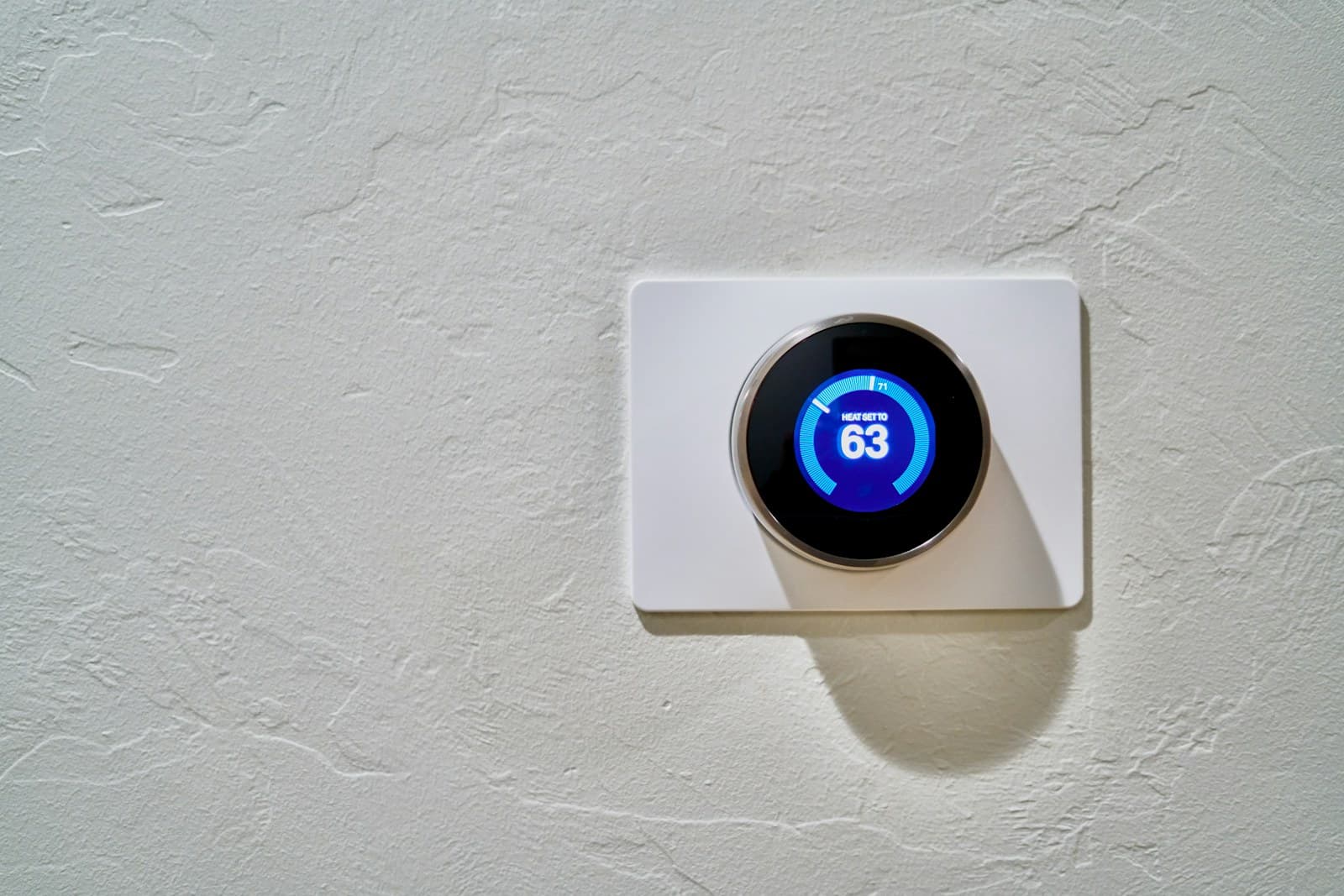
Read the system label or homeowner documentation and find the exact operating manual. An air conditioner, dual-fuel system, mini-split, packaged unit, and cold-climate heat pump may use different controls and winter operating limits. Record the thermostat mode and any auxiliary or emergency-heat indication without changing installer settings.
Watch one full event from a safe distance
Take a photo when frost or ice is first noticed, then note changes without standing in roof runoff, on an icy pad, or near moving equipment. Steam-like vapor and meltwater can occur during defrost; smoke, a burning odor, sparks, violent noise, fan contact, or a damaged electrical enclosure are stop conditions. Turn the system off only by the ordinary user control if the manual or emergency condition calls for it.
Check the air and water path without touching the unit
From stable ground, look for leaves, drifting snow, a blocked discharge path, roof runoff, a frozen condensate route, settled ground, or stored items crowding the unit. Remove only loose material that can be reached without contacting the cabinet, coil, fan guard, wiring, or ice. Follow the manufacturer’s clearance instructions; do not invent a universal distance or build a close-fitting shelter.
Leave ice removal to thawing and service
Do not strike or heat the coil. Fins, tubing, fan parts, and refrigerant components can be damaged even when hidden by ice. A technician can check airflow, drainage, refrigerant circuit, sensors, reversing operation, defrost controls, fan, base pan, and installation conditions. Do not open the disconnect, test voltage, add refrigerant, or force a manual defrost sequence.
Hand over the pattern, not a diagnosis
Send the model, photos, weather, timeline, thermostat state, indoor temperature change, sound, codes, and whether the ice cleared or returned. My opinion: the best evidence is a before-and-after photo pair tied to time and weather. A claim that every heat pump must clear in one fixed number of minutes ignores model controls and operating conditions.
Put the guide to work
Field notes
- Photograph
- Whole unit, coil faces, base and drainage, nearby snow or leaves, and ice location without stepping onto ice or reaching through the guard.
- Record
- Outdoor temperature and moisture conditions, start and stop times, thermostat mode, indoor comfort, fan and compressor sound, displayed code, and whether the pattern clears.
- Do not
- Chip, pry, scrape, pour hot water, use a torch or heater, bend fins, force the fan, open covers, or place a tight cover around an operating unit.
- Service
- Persistent or returning ice, blocked fan or coil, abnormal sound, damaged grille or blade, leaking refrigerant suspicion, electrical warning, or inadequate indoor heat.
Make the next step useful
Put this guide on your home plan
Know when to call a professional. Stop if work involves active gas leaks, damaged service wiring, structural movement, unsafe heights, suspected contamination, or a problem you cannot confidently isolate.
Editorial review and sources
Reviewed by: Smart Homeowners Editorial Desk
Last reviewed: September 11, 2026
Original Smart Homeowners editorial; not adapted from a third-party article.