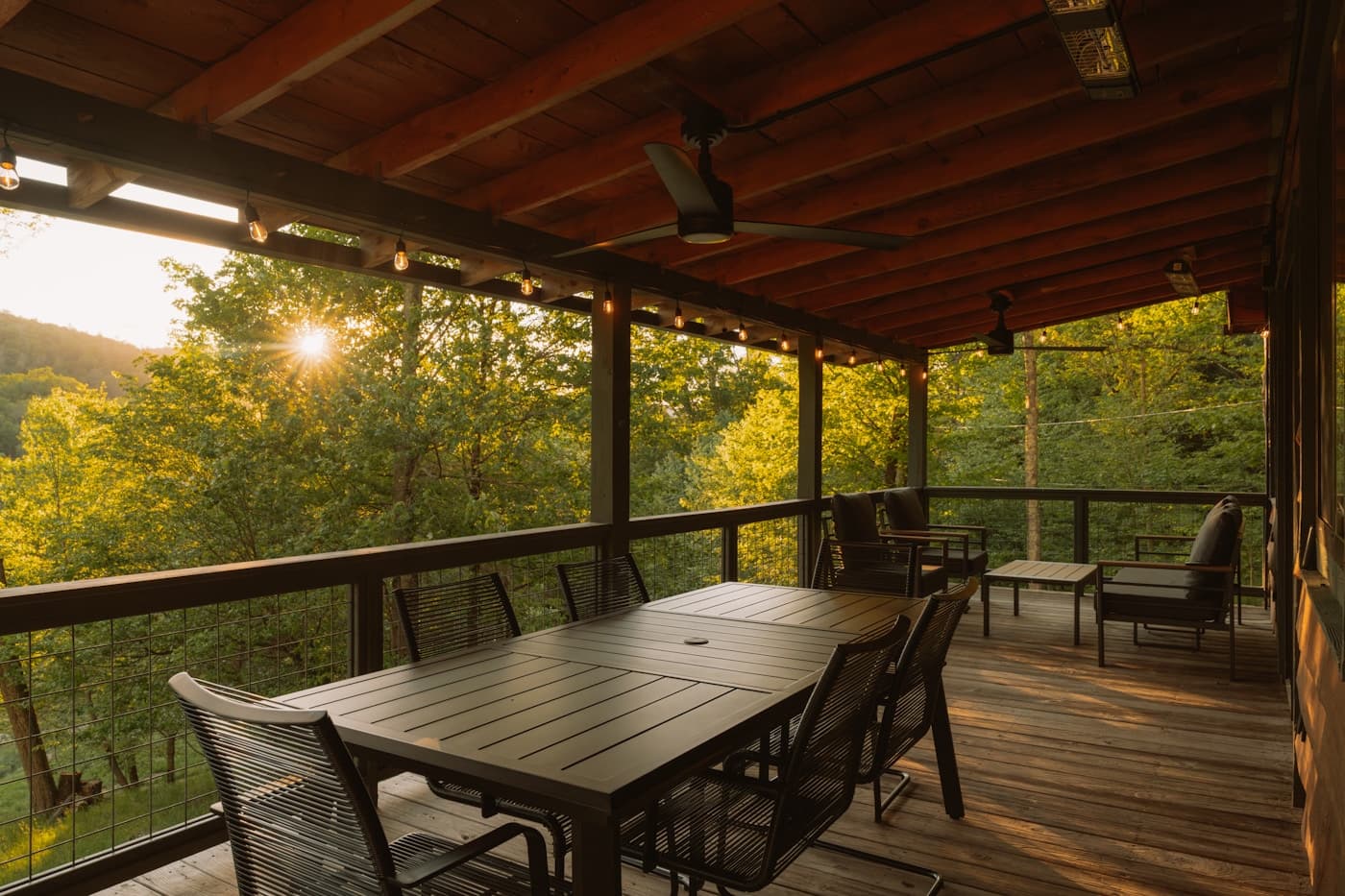
The hot-week cooling check to do before comfort turns into an emergency
A careful walkthrough of filters, airflow, shade, alarms, and daily habits can reveal what to fix before the hottest stretch arrives.
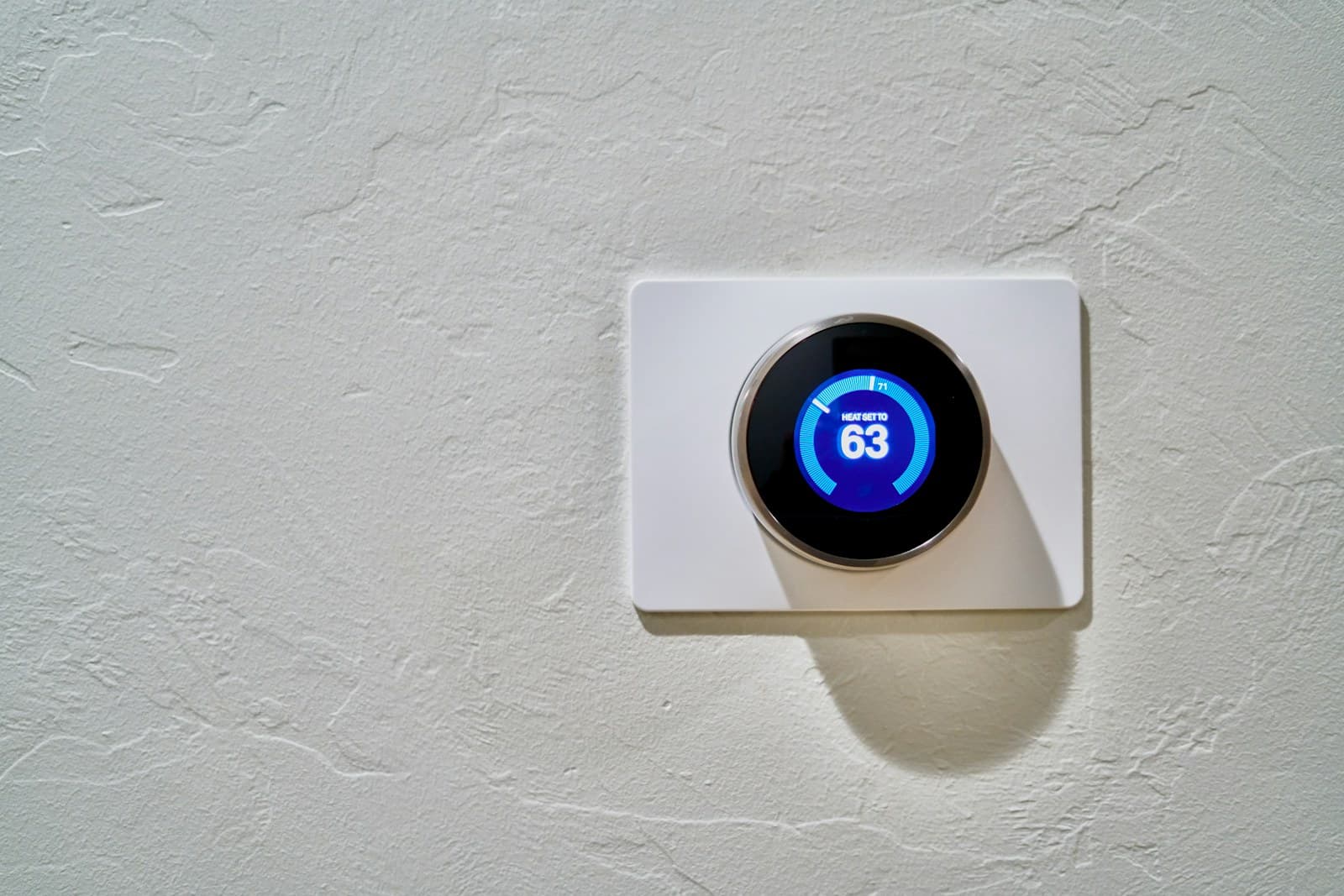
A cooling system has less room for error during a heat wave. A clogged filter, blocked return, poor shade, overworked room, or missed health plan may be manageable in mild weather but becomes consequential when outdoor temperatures stay high overnight.
This is a homeowner observation routine, not HVAC service. Use the equipment manual, do not open electrical panels or refrigerant components, and put people’s heat safety ahead of proving the system can keep running.
The short answer
Prepare the home and household for heat early: protect airflow, shade windows, know who is vulnerable, and call for service before a system is failing under peak demand.
Run a calm-day observation
Before the forecast peaks, run cooling while you can observe it. Record thermostat settings, start and stop behavior, airflow in several rooms, display messages, and any water near equipment.
Reduce heat before it enters
Close shades on sun-exposed windows, use exterior shading where feasible, and delay heat-producing tasks. Do not block ventilation or use unsafe window coverings near cooking, heaters, or escape routes.
Use fans correctly
Fans can improve comfort in occupied rooms but do not lower body temperature in every condition. Follow local public-health advice for extreme heat, especially for vulnerable people, and do not rely on a fan alone when a space is dangerously hot.
Keep a short outage plan
Charge phones and backup equipment, know where cooler public spaces are, protect refrigerated medicines as directed, and have water and emergency contacts ready. A portable generator requires its own strict safety plan.
Schedule service with useful evidence
If a system is struggling, give the technician the room map, thermostat readings, photos, filter history, and error messages. That avoids a vague ‘it feels warm’ call and helps isolate the right repair.
Put the guide to work
Field notes
- Protect the airflow path
- Inspect the filter as directed, uncover returns and registers, and keep the outdoor unit clear of loose debris while following its required clearance. Do not hose, disassemble, or straighten components unless the manual specifically allows it.
- Map the hottest rooms
- Record afternoon temperatures, sun exposure, upper-floor rooms, and whether doors or supplies are blocked. One room can point to a duct, insulation, solar gain, or occupancy issue without proving a whole-system failure.
- Plan for people
- Check on older adults, infants, people with health conditions, pets, and anyone without reliable cooling. Know local cooling centers and use public-health guidance for heat illness symptoms and emergency care.
- Call before failure
- Repeated cycling, weak airflow, water where it should not be, breaker trips, ice, smoke, sparking, or an inability to hold a reasonable setting are service issues. Turn equipment off for alarming electrical or safety signs.
- Use a heat-week readiness sheet
- Before the forecast, write the cool-room option, local cooling-center plan, people and pets needing check-ins, medication or device needs, emergency contacts, and the HVAC service number. A comfort checklist becomes a safety plan when nights stay hot or power is unreliable.
- Separate comfort fixes from failure signs
- Shade, reduced indoor heat, airflow housekeeping, and room use can improve comfort. Ice, burning smell, sparking, repeated breaker trips, or water near electrical equipment are not optimization projects; turn the system off when indicated and seek qualified service.
Make the next step useful
Put this guide on your home plan
Know when to call a professional. Stop if work involves active gas leaks, damaged service wiring, structural movement, unsafe heights, suspected contamination, or a problem you cannot confidently isolate.
Editorial review and sources
Reviewed by: Smart Homeowners Editorial Desk
Last reviewed: August 25, 2026
Original Smart Homeowners editorial; not adapted from a third-party article.