A low-stress plan for a late-summer supper outdoors
One make-ahead main, two room-temperature sides, and simple lighting keep the evening out of the kitchen.
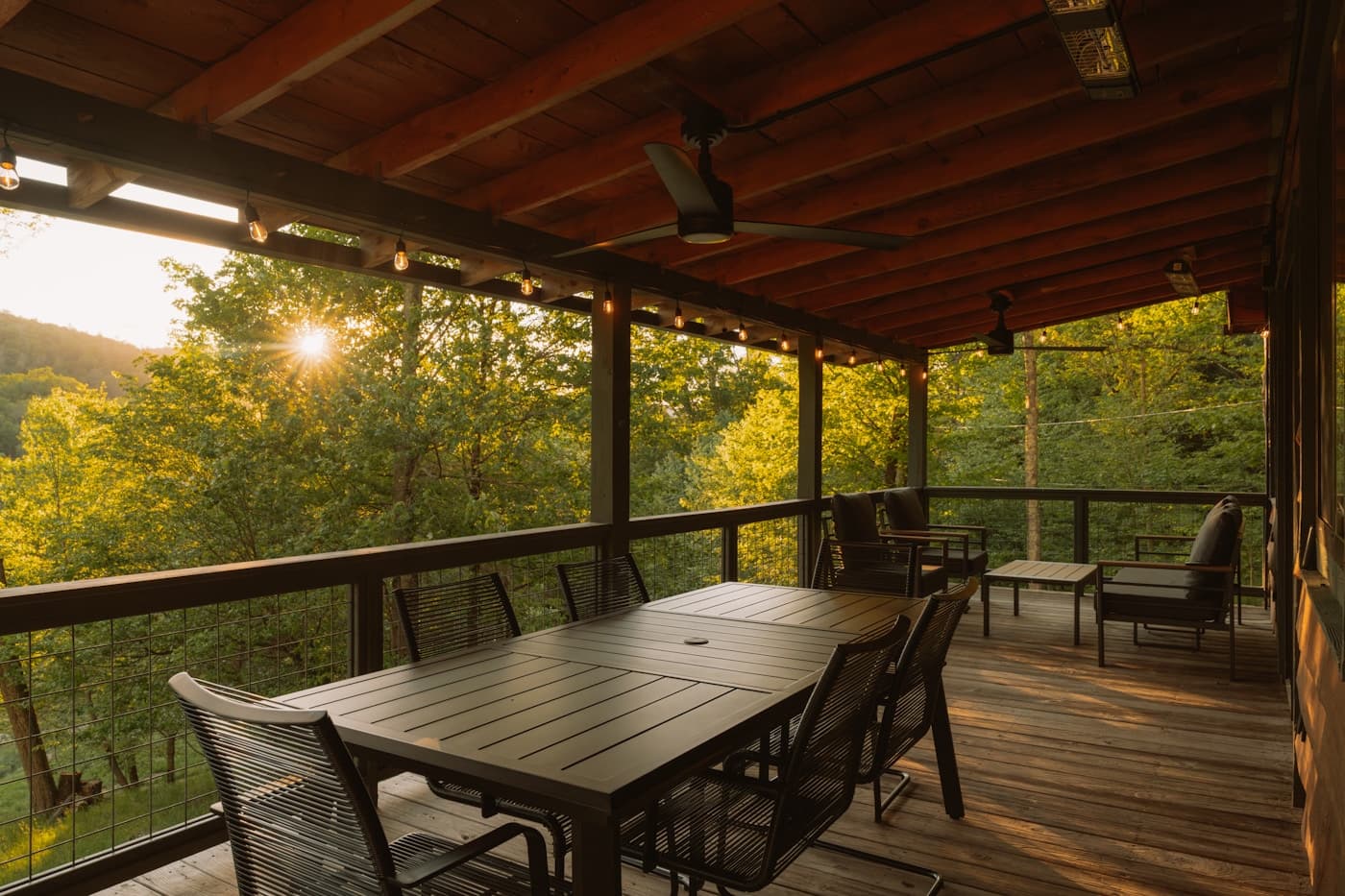
A low-stress outdoor supper is mostly a sequencing problem: choose food that can wait, set the space while there is daylight, and plan for temperature, insects, and a quick move indoors if conditions change.
This guide is an entertaining framework, not a food-safety substitute. Use clean hands and surfaces, cook to safe temperatures, and keep perishable food out of the temperature danger zone.
The short answer
A short menu and early setup leave more room for the gathering itself.
Choose a menu that has a holding plan
Build the meal around one item that can be made ahead, two sides that do not require last-minute burner space, and a dessert or fruit that needs little handling. For every perishable dish, decide whether it stays hot, stays cold, or is served in a small batch. A beautiful menu is not low-stress if it needs five simultaneous heat sources.
- Food-safety decision
- Use a food thermometer for meat and poultry, follow USDA minimum internal temperatures, and return cold or hot perishable food to safe holding promptly rather than leaving it out for the entire evening.
Set the room before cooking begins
Put out plates, water, serving tools, napkins, trash, hand-cleaning access, and a tray for moving food before the final hour. Walk the route between the kitchen and table with a full tray. The goal is fewer trips through a doorway with hot pans, glass, or sharp tools when guests have already arrived.
- Lighting check
- Test the table, steps, gate latches, and route at dusk. Light surfaces people need to see; decorative string lights alone may not reveal an edge or stair.
Separate raw work from serving work
Assign separate boards, plates, tongs, and platters for raw proteins and cooked food. Wash hands and food-contact surfaces after raw handling, and do not place cooked food back on a plate that held raw meat. Keep pets, children, and guests clear of the active grill or cooking zone.
- Grill boundary
- Follow the grill manual, use it outdoors away from structures and combustibles, and do not move a hot grill or use a fuel source that the equipment does not specify.
Build an outdoor weather decision
Check local alerts for heat, lightning, wind, smoke, and storms early in the day, then again before guests arrive. Provide shade, water, and a cool indoor option in hot conditions. Smoke or lightning is not an inconvenience to decorate around; it is a reason to move, shorten, or cancel the gathering.
- Host rule
- Decide the indoor fallback location and how food will move there before the first guest arrives.
Close the evening without guessing
Refrigerate or safely discard perishable food according to USDA guidance, turn off fuel and electrical sources according to their instructions, and clear walkways before lights are switched off. Make one note of what created work—too many dishes, insufficient light, or an awkward serving path—so the next event gets simpler rather than larger.
- Next-time note
- A short menu that leaves the host present is the repeatable success measure.
Put the guide to work
Field notes
- Plan the holding time
- Choose a menu with one make-ahead main and sides that can be held safely. Put cold foods out near serving time and return leftovers promptly.
- Light paths and steps
- Set up before dusk and illuminate stairs, uneven surfaces, food service, and exits. Keep extension cords protected and out of walkways.
- Prepare a weather pivot
- Check local heat, wind, wildfire-smoke, and storm alerts. Set an indoor fallback rather than trying to host through unsafe conditions.
- Separate clean and raw
- Use separate plates and utensils for raw and cooked food, and follow the label and local guidance for fuel, grills, and outdoor appliances.
Make the next step useful
Put this guide on your home plan
Know when to call a professional. Stop if work involves active gas leaks, damaged service wiring, structural movement, unsafe heights, suspected contamination, or a problem you cannot confidently isolate.
Editorial review and sources
Reviewed by: Smart Homeowners Editorial Desk
Last reviewed: August 26, 2026
Original Smart Homeowners editorial; not adapted from a third-party article.