How to set a thermostat schedule that actually works
Use a small comfort log, equipment instructions, and realistic routines before changing a schedule every day.
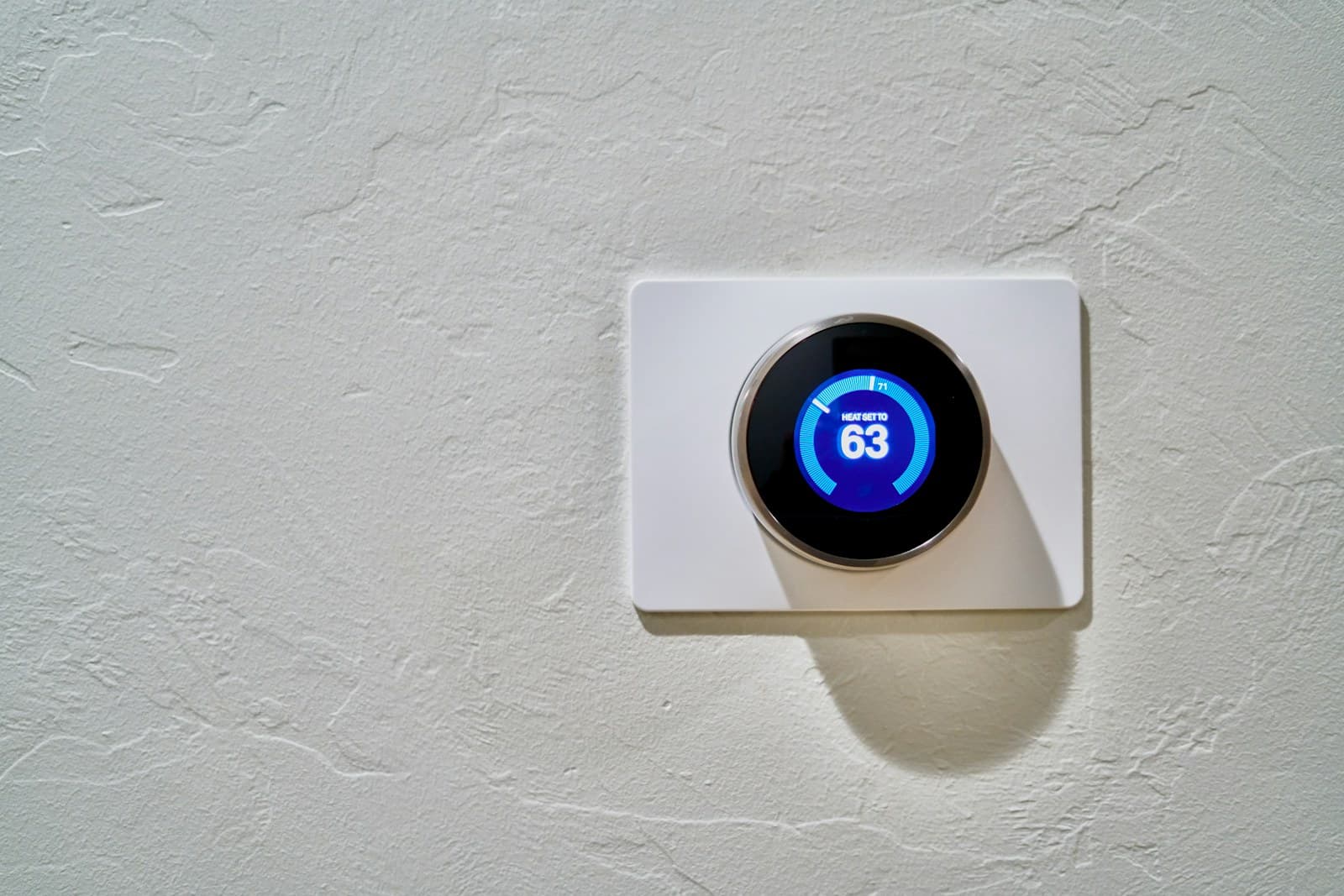
Programmable and connected thermostats can make it tempting to chase a single ideal setting. But comfort depends on the home, climate, equipment type, humidity, schedules, and people using the rooms. Frequent random changes can hide a real airflow or equipment problem.
Follow the thermostat and HVAC manufacturer instructions, especially for heat pumps and systems with backup heat. A schedule is not a repair for persistent hot/cold rooms, short cycling, water, or electrical warning signs.
The short answer
A thermostat schedule should support safe comfort and equipment operation; start with a stable baseline, then adjust from observed rooms and routines.
Set a simple starting schedule
Choose occupied, sleeping, and away periods that reflect actual routine. Avoid changing every day for a week; a stable setup creates evidence about how the home responds.
Walk the rooms
Check several rooms at the same time of day, noting sun, doors, registers, windows, and use. A single uncomfortable room may point to distribution or enclosure issues rather than a thermostat problem.
Use setbacks carefully
Make small changes and observe the recovery. Follow the equipment guidance, especially for heat pumps, and do not use a setback that creates unsafe temperatures or expensive backup operation.
Pair schedule with basic maintenance
Maintain filters and keep vents and returns clear according to the equipment instructions. Do not close off airflow paths or cover equipment in an attempt to force comfort elsewhere.
Save the working settings
Record the effective schedule, date, season, and changes in the home records. Revisit it after household, equipment, or weather-pattern changes rather than relying on memory.
Run a one-change-at-a-time comfort trial
Use the same schedule for several ordinary days, then change one setpoint or time block and keep a brief log. This is more useful than chasing comfort by making several changes in a single day.
- Baseline
- Record the schedule, thermostat mode, outdoor weather, rooms used, comfort complaints, open windows, and any equipment message. Use a consistent time to compare rooms.
- One variable
- Change only the occupied or sleeping block, then observe recovery and comfort. Do not combine a new schedule with closed registers, a filter change, and a new fan setting if you want useful evidence.
- Heat-pump caution
- Confirm the installed equipment’s setback guidance. Some systems can bring on backup heat or recover differently from aggressive setbacks; manufacturer instructions outrank a universal thermostat tip.
- Escalation
- If one room remains uncomfortable with normal settings, note sun exposure, doors, returns, and airflow, then seek diagnosis for persistent imbalance rather than setting the whole house to an extreme temperature.
Put the guide to work
Field notes
- Document the baseline
- Record current mode, setpoints, occupied hours, room temperatures, and comfort complaints for several days. Include weather and open-window behavior before changing multiple settings.
- Check the equipment type
- Heat pumps, conventional furnaces, radiant systems, and multi-zone equipment may respond differently. Use the installed system’s instructions before setting aggressive setbacks or recovery periods.
- Protect vulnerable people
- Older adults, infants, pets, and people with health conditions may need a different plan. Follow medical advice and public-health guidance during extreme heat or cold.
- Call for symptoms
- Repeated cycling, no heat/cooling, error codes, water where it should not be, burning odors, gas odor, or a CO alarm require safety action or qualified service—not more scheduling.
Common questions
Frequently asked questions
- What's the best thermostat schedule for saving energy without sacrificing comfort?
- There's no universal number — it depends on your equipment, climate, and who's actually home when. Start with a stable schedule for a few days, walk the rooms at different times, and adjust from what you observe rather than chasing an ideal setpoint you read somewhere else.
- Should I use a big temperature setback when no one is home?
- It depends on the equipment. A furnace generally tolerates a wider setback fine. A heat pump, especially one with electric backup heat, can end up using more energy recovering from a deep setback than it saved — follow the manufacturer's guidance for that specific system before programming an aggressive swing.
Make the next step useful
Put this guide on your home plan
Know when to call a professional. Stop if work involves active gas leaks, damaged service wiring, structural movement, unsafe heights, suspected contamination, or a problem you cannot confidently isolate.
Editorial review and sources
Reviewed by: Smart Homeowners Editorial Desk
Last reviewed: September 28, 2026
Original Smart Homeowners editorial; not adapted from a third-party article.