How to prevent ice dams: fix the heat path before the next snow
Use snow patterns, attic clues, air sealing, insulation, ventilation, and a safe emergency plan to stop recurring roof-edge ice at its source.
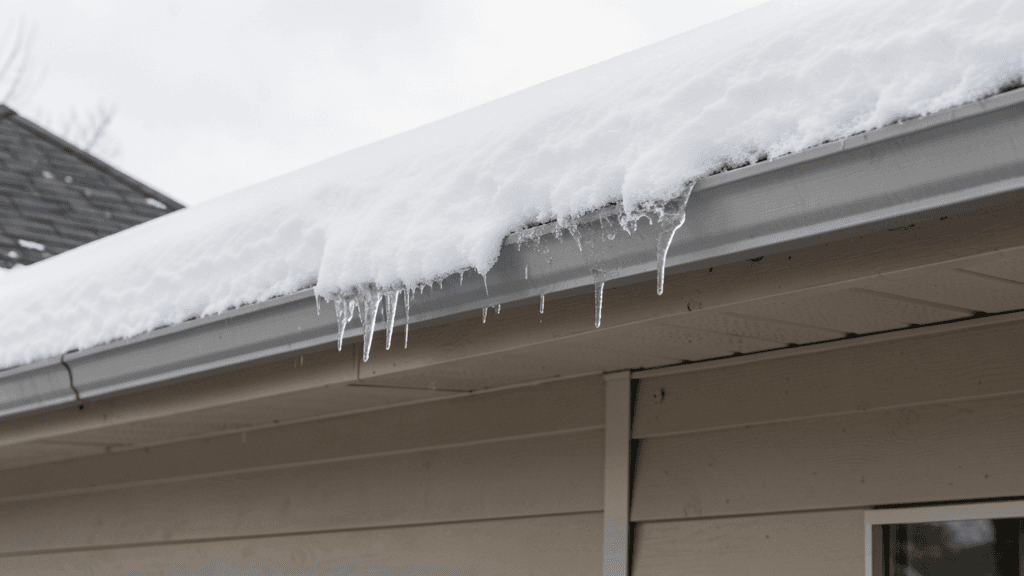
Ice dams form when snow melts on a warmer upper roof, runs toward the colder eave, and freezes into a ridge. Later meltwater pools behind that ridge and can move beneath roof coverings or through vulnerable joints. The visible ice is at the edge; the cause is often heat that escaped through ceiling gaps, thin or displaced insulation, warm ducts, or an attic bypass.
The University of Minnesota Extension puts the durable fix in a clear order: make the ceiling airtight, increase insulation where needed, and use roof ventilation to help keep the roof surface uniformly cold. The National Weather Service gives the same basic explanation and warns that removing ice from a roof can damage materials or injure the person doing it. This guide turns that building-science answer into a homeowner investigation and hiring plan.
My view: do not let a contractor begin with gutters or heat cable unless the proposal also explains why that particular roof warms unevenly. Gutters can freeze and add weight, but a roof can develop an ice dam without gutters. Heat cable can preserve a drainage channel at a stubborn valley or eave; it does not stop indoor heat from reaching the roof deck.
Cost references are useful only for planning. Angi's 2026 national guide reports about $400 to $4,000 for professional ice-dam removal, with access, roof height, dam size, method, urgency, and damage affecting the bill. A permanent attic correction may include diagnostic work, air sealing, insulation, baffles, ventilation changes, electrical or combustion safety work, and repairs. Get local written scopes instead of multiplying a national per-foot figure across an unseen attic.
The short answer
An ice dam is a ridge of ice at a cold roof edge that traps meltwater behind it. The lasting prevention sequence is to find and seal warm-air leaks into the attic, correct insulation without blocking ventilation, and keep the roof deck cold. Gutters, roof rakes, heat cable, and ice-and-water membrane can reduce damage in specific situations, but none repairs a warm attic. During an active leak, protect people and belongings, stay off the roof, avoid chopping ice, and call a qualified roofer or ice-dam removal service.
Cost and effort
Plan the practical side
| Scope | Planning amount | What the number leaves out |
|---|---|---|
| Ground-use roof rake | $31 to $160 among Home Depot examples checked October 5, 2026 | A dated retail comparison, not a recommendation for every roof. Extension poles, roof material, overhead lines, slope, falling snow, storage, and safe ground position determine whether it can be used. |
| Professional ice-dam removal | $400 to $4,000 national range | Angi 2026 reference. Method, minimum charge, roof height, access, linear extent, weather, travel, emergency timing, and existing damage can change the price. |
| Attic diagnosis and written correction scope | Obtain local quotes after an attic and roof review | Ask whether the visit includes thermal imaging under suitable conditions, blower-door testing, combustion-safety review, photos, air-leak map, insulation measurements, ventilation assessment, and priorities. |
| Air sealing, baffles, and insulation correction | Price from measured attic conditions | Square-foot prices hide access, existing insulation, electrical hazards, recessed lights, bath-fan ducts, chimneys, kneewalls, ventilation channels, removal, disposal, and local energy-code requirements. |
| Heat cable for a stubborn detail | Separate electrical and roof scope | Include listed cable, manufacturer-approved attachment, controls, GFCI protection, circuit capacity, gutter and downspout path, annual inspection, operation cost, and removal or replacement plan. |
| Interior water-damage repair | Do not price until the roof leak and wet materials are stabilized | Drying, insulation, drywall, paint, electrical review, mold assessment, and personal-property handling may be separate scopes. Insurance treatment depends on the policy and cause. |
| Observed clue | What it may help locate | Next useful action |
|---|---|---|
| Snow melts above one interior wall or ceiling penetration | A concentrated air leak or missing insulation | Photograph the roof pattern from ground level and have the matching attic area inspected. |
| A broad upper roof melts while the eave remains snow-covered | Widespread attic heat reaching the deck | Request air-leak testing, insulation mapping, and a review of ducts and attic access. |
| Ice repeats below a valley, dormer, skylight, or roof-wall intersection | A geometry, flashing, drift, or drainage concentration | Have a qualified roofer assess the exterior detail while the attic contractor checks heat below it. |
| Frost, darkened sheathing, damp insulation, or rusty fasteners in the attic | Air leakage, condensation, roof leakage, or poor exhaust termination | Stop disturbing materials and request cause-specific assessment; do not cover the evidence with new insulation. |
| Bathroom or kitchen exhaust ends in the attic | A direct source of warm, moist air | Have the duct routed and terminated correctly by the appropriate qualified trade. |
| Ice-filled gutter pulls away from fascia | A drainage and attachment hazard in addition to the roof condition | Keep people away from the fall zone and use a qualified roof or gutter professional after conditions are made safe. |
Confirm that the roof-edge ice is acting like a dam
From safe ground, document the full roof plane, the cold eave, valleys, dormers, gutters, downspouts, and any interior stain. An ice dam is not simply an icicle. Look for a ridge at the eave with snow or meltwater upslope, repeated icicles concentrated below a warm section, water appearing during a thaw, or a ceiling stain that grows while snow remains on the roof. Record outdoor temperature, recent snowfall, sun exposure, wind, and which rooms sit below the pattern. A roofer needs that context because wind-driven snow, failed flashing, plumbing, condensation, and an ice dam can produce different paths that appear in the same ceiling area.
- Useful photos
- Take one wide image per roof side, a closer image of the ice ridge from the ground, and interior photos that show the room and stain. Repeat from the same positions after a weather change.
- Do not test it
- Do not strike the ice, pull on a loaded gutter, climb onto the roof, or pour hot water onto shingles. Those actions can injure people, damage roofing, and create a refreeze hazard below.
- Emergency line
- For active water near lights, wiring, or a sagging ceiling, move away and shut off the affected circuit only if that can be done without entering water or touching damaged equipment. Use emergency electrical and restoration help.
Use the melt pattern to write an attic investigation brief
A good inspection begins with a map, not a bag count. Mark the ceiling below every early-melt patch and recurring dam. Add attic hatches, recessed fixtures, ceiling fans, plumbing stacks, chimneys, dropped soffits, interior partition lines, bath-fan ducts, HVAC ducts, and kneewalls. Warm air can move through surprisingly large hidden routes around chases and framing. Ask the inspector to connect each proposed repair to a photographed or measured condition. Thermal imaging can be useful when indoor-outdoor temperatures and weather support it, but an image without building context is not a repair scope.
- Bring records
- Provide roof age, insulation or air-sealing invoices, remodeling plans, prior leak repairs, energy audits, utility changes, and photos from earlier winters.
- Ask for measurements
- Request insulation type and depth by area, visible gaps or compression, ventilation path, duct condition, exhaust termination, and the location of every major air bypass that can safely be observed.
- Protect the evidence
- Do not rake insulation smooth, spray foam randomly, or cover stained sheathing before the inspection. The pattern may be the best clue to the source.
Seal warm-air leaks at the ceiling plane first
Air sealing is the first permanent control because moving indoor air can carry both heat and moisture into the attic. The work may involve the attic hatch, wiring and plumbing penetrations, top plates, dropped ceilings, open wall cavities, fan housings, duct boots, and framed chases. Each material and penetration needs a compatible, code-compliant method. Heat-producing fixtures, chimneys, flues, electrical equipment, and combustion appliances require clearances and methods that a generic can of foam cannot provide. Ask the contractor to identify the boundary being sealed, the materials used at each condition, and how the result will be checked before insulation hides it.
- Sequence
- Resolve roof leaks, wet materials, unsafe wiring, combustion clearances, and exhaust-duct problems before adding insulation. Air sealing comes before the final insulation layer.
- Attic hatch
- The access needs a durable gasket and insulation approach that still allows safe use. A hatch that crushes insulation or will not close after the work is complete needs correction before the job is accepted.
- Verification
- Ask for before-and-after photos and, where appropriate, a blower-door or pressure-based check. A promise that every gap was foamed is not measurable closeout.
Correct insulation without blocking eave airflow or hiding hazards
Once leaks and hazards are addressed, insulation reduces heat conducted through the ceiling. The required amount depends on climate, existing assembly, local code, material, space, and current condition. More depth does not fix wind washing at eaves, compressed batts, an uninsulated hatch, an open kneewall, or insulation displaced around service work. Eave baffles or another approved method may be needed to keep insulation out of soffit-air paths and maintain clearance above the top plate. Ask for installed R-value, material, settled depth where relevant, coverage map, bag count or delivery record, and photographs before access becomes difficult.
- Wet insulation
- Find and stop the source, then follow qualified drying and replacement advice. Burying damp material can conceal roof leakage, condensation, or microbial growth.
- Old materials
- Do not disturb unknown vermiculite, suspect asbestos-containing material, animal contamination, or damaged wiring. Testing, remediation, or electrical work may be needed first.
- Do not block intake
- The contractor should show how soffit vents and other designed pathways remain open after insulation is installed, including tight eave areas.
Treat ventilation as support for a cold, dry roof deck
Balanced intake and exhaust ventilation can help remove small amounts of heat and moisture that reach the attic, but it works only when the pathways are open and appropriate for the roof design. A powered fan, extra gable vent, or new ridge vent can alter pressure and pull more indoor air through ceiling leaks if installed without a whole-assembly plan. Ask the roofer or energy professional to identify existing intake and exhaust area, blocked paths, roof geometry, bath and dryer exhaust routes, and signs of condensation. The proposal should explain why a change is needed and how it interacts with air sealing, insulation, snow entry, fire requirements, and the roofing manufacturer's instructions.
- No universal vent recipe
- Cathedral ceilings, low-slope roofs, complex additions, unvented assemblies, and older houses may need a building-specific design rather than a standard soffit-and-ridge answer.
- Exhaust outdoors
- Bath, kitchen, and dryer exhaust should follow the appliance, duct, code, and termination requirements. An attic vent is not a substitute termination for moist household exhaust.
- Check after snow
- The next comparable snowfall is a practical verification event. Photograph whether melt patterns are more uniform, while recognizing sun and wind can change one storm to the next.
Use temporary controls without confusing them with the repair
During a snowy period, removing loose snow near an eave can reduce the water available to feed a dam. That does not make roof work safe. Use a roof rake only from stable ground, only as its manufacturer directs, and only where the tool, roof material, overhead utilities, falling load, and surroundings permit it. Professional steam removal is commonly used for established dams because chipping and high-pressure methods can damage roofing. Ask the service to name its method, how it protects the roof covering, where meltwater will go, and what happens if existing damage is uncovered.
- Heat cable
- Cable is a targeted drainage tool for a stubborn eave, valley, or roof detail. It needs listed equipment, approved attachment, electrical protection, controls, and a continuous path through the gutter and downspout where those are part of the design.
- Membrane
- Ice-and-water membrane at reroofing can reduce leakage risk when correctly installed, but it is backup protection. It does not keep the attic or roof deck cold.
- Chemicals
- Do not scatter rock salt or improvise chemical treatments on the roof. Products can damage metal, roofing, siding, plants, and runoff areas; use only a method approved for the assembly by a qualified source.
Compare permanent-fix proposals by evidence and closeout
Give each bidder the same roof photos, attic map, symptoms, and records. Require separate lines for investigation, leak repair, air sealing, ventilation channels, insulation, exhaust ducts, electrical or combustion-safety corrections, access, protection, cleanup, permits, and verification. A square-foot insulation price without an air-leak scope is not equivalent to a measured whole-attic correction. Keep roof work and interior restoration coordinated but separately legible. After completion, save photos, materials, installed quantities, test results, warranties, and the next-snow comparison with the home record.
- Questions that expose scope
- What caused the uneven roof temperature? Which locations will be sealed? What cannot be accessed? How are heat sources and combustion clearances handled? How will ventilation remain open? What result is measured before payment?
- Repair red flags
- Pause for a contractor who guarantees no future ice, proposes insulation over wet or contaminated material, treats more vents as the only answer, or cannot explain how an attic change affects combustion equipment.
- Follow-up
- Review the attic or have it reviewed after the work and again after the first meaningful cold spell. Check that the hatch closes, baffles remain open, exhaust reaches outdoors, and no new condensation or snow entry appears.
Put the guide to work
Field notes
- Read the snow
- After a modest snow, compare the roof planes from safe ground. Bare bands, isolated melt patches, icicles below one room, or repeated trouble at a valley can help a professional locate heat and water paths.
- Air seal before adding depth
- Loose insulation can hide ceiling penetrations. Adding more insulation without addressing leaks around the attic hatch, top plates, wiring, plumbing, ducts, and chases can preserve the cause beneath a deeper layer.
- Ventilation is not a cure-all
- Intake and exhaust paths must suit the roof and stay open, but ventilation should not be used to compensate for major air leakage. More roof vents are not automatically better.
- Water entry is urgent
- Move belongings, contain water only where it is safe, photograph damage, and call the appropriate roofer or restoration professional. Stay clear of wet electrical fixtures, sagging ceilings, and slippery exterior areas.
- Work from the ground
- Do not climb a snowy or icy roof. If the roof-rake manufacturer permits ground use on your roof type, keep clear of falling snow, ice, overhead lines, windows, people, and landscaping.
Common questions
Frequently asked questions
- What is the best way to prevent ice dams?
- Keep the roof deck cold by first sealing warm-air leaks from the house into the attic, then correcting insulation and maintaining an appropriate ventilation path. The exact work should follow an attic and roof assessment; adding insulation alone can bury leaks and block soffit intake.
- Do gutters cause ice dams?
- No. Ice dams can form at a cold roof edge with or without gutters. A frozen gutter can hold more ice, obstruct drainage, and strain the fascia, so it still needs attention, but removing a sound gutter does not fix heat escaping into the attic.
- Do roof heat cables prevent ice dams?
- Heat cable usually manages drainage rather than curing the cause. A correctly designed system can melt channels through ice at a problem detail, but air sealing, insulation, and the roof assembly still determine why snow is melting above the eave.
- Should I remove an ice dam myself?
- Stay off an icy roof and do not chop, hammer, pressure-wash, or pour hot water on the dam. A manufacturer-approved roof rake may be usable from safe ground in some conditions. For a large dam, active leak, high roof, fragile material, or unsafe access, use an insured professional who explains the removal method.
- Can attic insulation alone stop ice dams?
- Not reliably. Insulation slows heat conduction, but indoor air can carry heat through gaps around hatches, walls, wiring, plumbing, ducts, and chases. Seal those paths and correct moisture, electrical, exhaust, and ventilation conditions before the final insulation layer.
- Will ice-and-water shield prevent ice-dam leaks?
- It can provide added backup protection beneath roofing when installed correctly during roof work. It does not prevent the dam or correct attic heat loss, and water can still enter at vulnerable details beyond the protected area.
Use the findings
Open the detailed check for what you found
Make the next step useful
Put this guide on your home plan
Know when to call a professional. Stop if work involves active gas leaks, damaged service wiring, structural movement, unsafe heights, suspected contamination, or a problem you cannot confidently isolate.
Editorial review and sources
Reviewed by: Smart Homeowners Editorial Desk
Last reviewed: October 5, 2026
Original Smart Homeowners editorial; not adapted from a third-party article.
- University of Minnesota Extension — Dealing with and preventing ice dams
- National Weather Service — Ice dams
- U.S. Department of Energy Building America Solution Center — Attic air sealing and insulation
- ENERGY STAR — Seal and insulate with ENERGY STAR
- Angi — How much does ice dam removal cost?
- Occupational Safety and Health Administration — Winter weather