Measure storage before you buy it: a practical room-by-room method
A few measurements and a clear inventory prevent a storage purchase from becoming another object that does not fit the room or the routine.
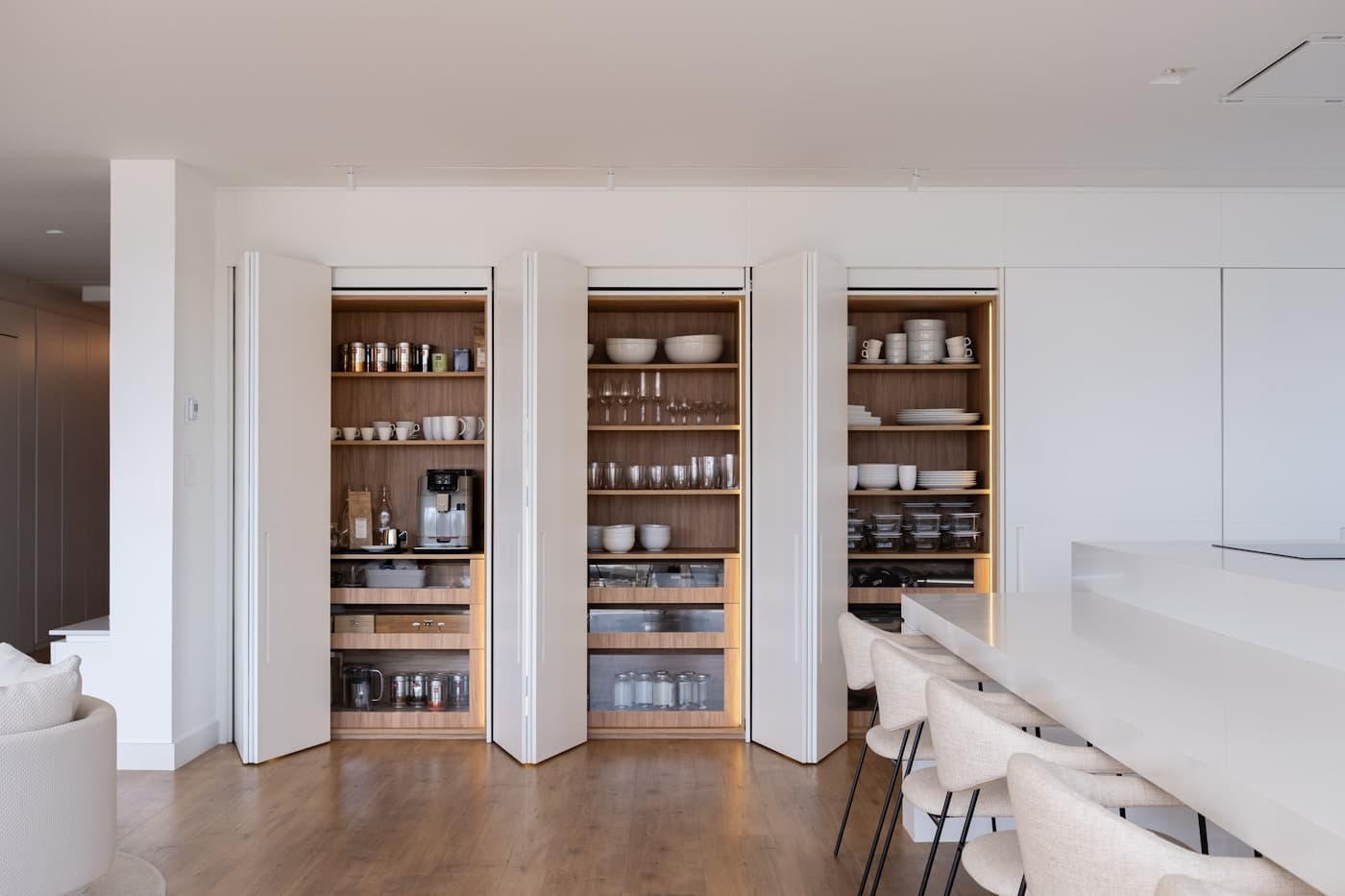
Storage is often sold as a visual fix, but the practical question is what the household needs to retrieve, how often, and from where. A cabinet that looks right can fail if drawers cannot open, bins have no label, or the item will not clear the hallway.
Use a short measurement note before shopping. It protects the budget and makes a modest shelf, hook system, or drawer organizer easier to compare with a larger furniture purchase.
The short answer
Measure the object, its contents, the path into the room, and the clearance needed to use it. Storage that blocks a door, outlet, vent, or daily task is not a solution.
Empty and sort one problem zone
Choose one closet, entry, pantry, or bathroom. Pull the contents, discard obvious trash, and identify what is actually used before estimating how much storage is needed.
Write a simple measurement card
Record the available dimensions, clearance, path, and desired contents in your phone. Photograph the space with the tape measure visible for a useful shopping reference.
Choose access before aesthetics
Put frequent items within comfortable reach and seasonal items higher or farther away. A closed bin can reduce visual noise, but only if labels make the contents findable.
Test with a temporary layout
Use painter’s tape, empty boxes, or an existing bin to test a shelf depth or furniture footprint. Open doors and walk the normal route before committing.
Review after two weeks
Notice what returns to the counter or floor. Adjust labels, heights, or container size based on real use instead of buying another organizer immediately.
Use the fit-before-buy checklist
Before ordering, confirm outer dimensions, open-door or drawer clearance, delivery route, wall and floor condition, outlet and vent clearance, and whether the piece blocks any service or escape path. If one answer is unknown, measure it before purchase.
Put the guide to work
Field notes
- Measure usable space
- Record width, depth, height, baseboard projection, and any sloped ceiling. Measure with doors and drawers open where relevant, not only the empty wall.
- Measure the route
- Check entry doors, hall turns, stairs, elevator, and the path past other furniture. A piece that fits the room may not fit into the room.
- Protect systems
- Keep access to electrical panels, shutoffs, vents, smoke alarms, and equipment required for service. Do not treat storage as a reason to block emergency or maintenance access.
- Assign a category
- Group the contents first: daily-use, seasonal, paperwork, cleaning, or donation. The category determines whether open, closed, low, high, or portable storage makes sense.
Make the next step useful
Put this guide on your home plan
Know when to call a professional. Stop if work involves active gas leaks, damaged service wiring, structural movement, unsafe heights, suspected contamination, or a problem you cannot confidently isolate.
Editorial review and sources
Reviewed by: Smart Homeowners Editorial Desk
Last reviewed: August 25, 2026
Original Smart Homeowners editorial; not adapted from a third-party article.