Mesh Wi-Fi node offline? Test the node before rebuilding the network
Separate an app-status delay, power problem, weak backhaul, bad cable, and failed node with controlled moves. Save factory reset for last.
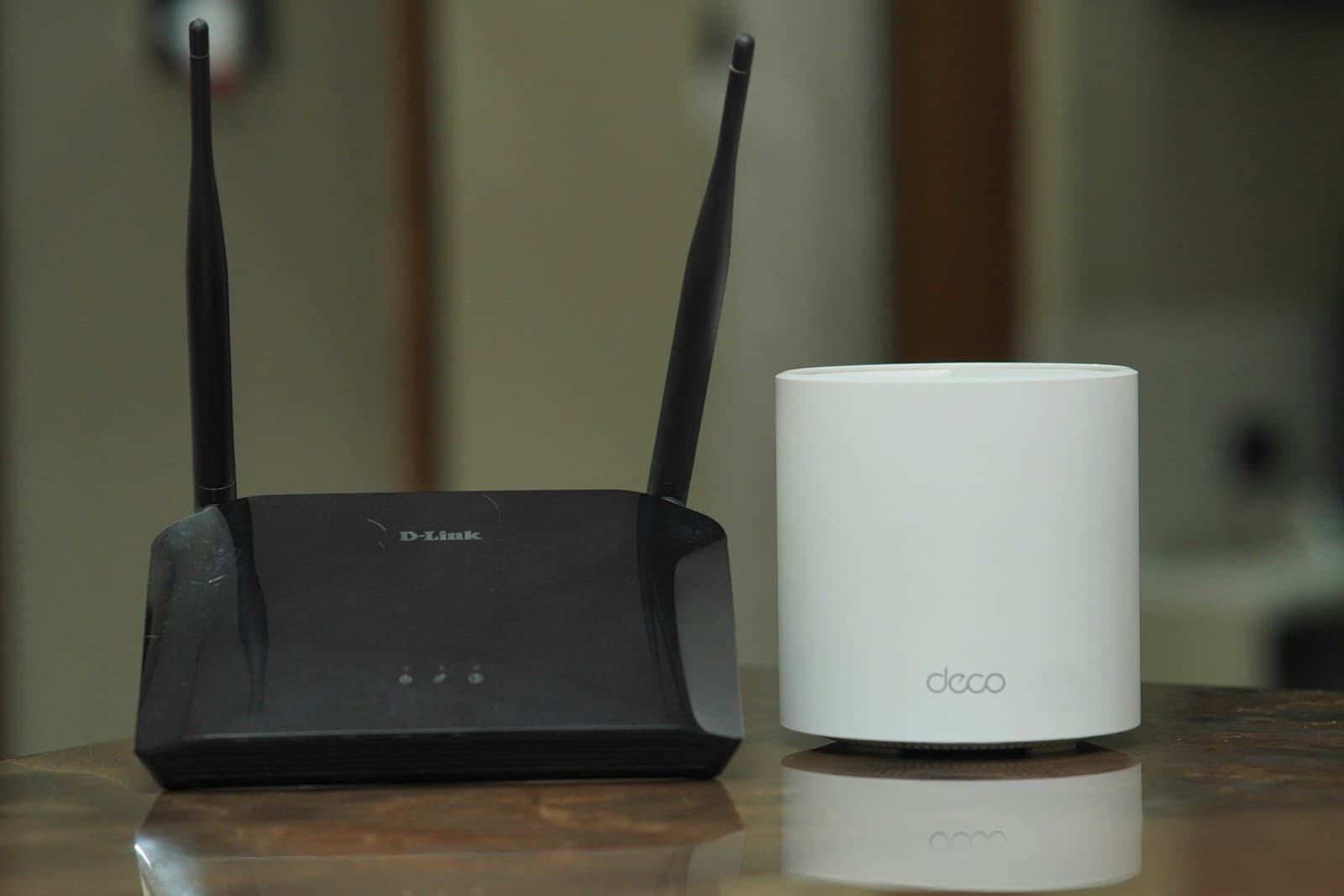
An offline badge does not prove a mesh node is dead. The controller app may be stale, the node may have lost power, or the wireless backhaul between units may be too weak even while the main router still serves the house.
The fastest diagnosis is a controlled swap, not repeated reboots. Record the network first so one missing satellite does not turn into every camera, lock, thermostat, and automation needing setup again.
The short answer
Confirm whether the whole network or one satellite is down, capture the topology and status lights, then test power, distance, and Ethernet one variable at a time. A node that works beside the primary but fails in its normal room has a path or placement problem. Do not factory-reset the system until you have the administrator account, recovery method, and current settings.
Decide whether this is internet, primary-node, or satellite trouble
Test a wired or nearby device at the primary node and another device near the affected satellite. If the entire home is offline, use the provider and primary-router procedure. If only one room or node is affected, preserve the working core and focus on that branch.
Verify power and cables without changing topology
Reseat only the model's low-voltage power connector and a clearly labeled Ethernet cable. Try a known working wall receptacle without an extension cord. Do not mix power adapters merely because the plug fits; voltage, polarity, and current ratings matter.
Run the vendor mesh test and move the node closer
Google says distance, walls, floors, metal, and other barriers can weaken the connection and recommends a mesh test. Save the result, then temporarily place the offline satellite in an open location near the primary. If it rejoins there, move it outward in smaller steps rather than buying another node first.
Swap one component to isolate the failure
If two compatible satellites exist, exchange their locations while keeping their assigned adapters. A failure that follows the node points toward that unit; a failure that stays with the room points toward power, cabling, interference, or backhaul. Return the original layout after recording the result.
Restart in the documented order, once
Use the vendor's sequence for modem or gateway, primary mesh unit, then satellites, allowing each stage to finish. Avoid rapid unplugging. Check the controller app, local connectivity, and one affected smart device after the network stabilizes.
Reset only with a recovery plan
Before removing or factory-resetting a node, verify the administrator login, recovery email or MFA, network name, security mode, wired map, reservations, parental controls, and model-specific add-node procedure. My opinion: factory reset is cleanup after isolation, not a first check. Contact vendor support when the node fails beside the primary or will not update or pair.
Put the guide to work
Field notes
- Scope
- Whole network, one satellite, one wired node, or only devices attached in one room.
- Evidence
- Node name, model, light pattern, app message, last-seen time, backhaul rating, recent outage, firmware update, or furniture move.
- Stop
- Hot or swollen power adapter, burnt smell, liquid damage, damaged cable, or unknown administrator account before reset.
Make the next step useful
Put this guide on your home plan
Know when to call a professional. Stop if work involves active gas leaks, damaged service wiring, structural movement, unsafe heights, suspected contamination, or a problem you cannot confidently isolate.
Editorial review and sources
Reviewed by: Smart Homeowners Editorial Desk
Last reviewed: September 17, 2026
Original Smart Homeowners editorial; not adapted from a third-party article.