Refrigerator making a loud noise? Map the sound before calling it broken
Match the sound to its timing, location, and refrigerator temperature. An ice-maker fill buzz, cabinet vibration, and a fan or compressor fault leave different clues, and most can be documented without moving the appliance.
Do not start by naming a failed part. Start a sound map: what does it sound like, when does it begin, where is it loudest, and is the refrigerator still holding 40°F or below? That record separates an ordinary cycle from a noise that arrives with lost cooling.
Refrigerators chirp, click, gurgle, pop, hiss, buzz, and change fan speed during normal operation. GE says those sounds can come from damper movement, controls, refrigerant circulation, defrost water, ice dropping, or a water valve. The pattern matters more than the adjective.
The short answer
Record the sound, start and stop times, location, door or dispenser activity, and refrigerator temperature. Correct only a visible loose item or exterior contact point you can reach without moving the appliance. Keep doors closed if cooling is weak. Leave fan access, interior panels, compressor parts, refrigerant work, wiring, and movement of the refrigerator to qualified service.
Make a four-part sound map
Record the sound, clock time, duration, and what happened just before it. Note which compartment seems loudest, but do not remove a panel or put fingers near a vent or fan. Check for an external display code. Open a door only briefly to see whether the noise changes, then close it. A recording plus timing is more useful than telling service that the refrigerator is simply loud.
Compare the event with normal operation
GE lists quiet control clicks, refrigerant gurgling or knocking, defrost dripping, ice cubes dropping, and fan-speed changes after door openings as normal possibilities. It also says dispenser buzzing should not continue longer than about seven seconds after dispensing stops. A click after a power outage may last three to five minutes while the compressor attempts to restart. Those are comparison points, not proof that every similar sound is harmless.
Separate the water and ice-maker buzz
Note whether the buzz follows water dispensing or repeats while the ice maker is trying to fill. GE says a fill buzz can recur about every 15 minutes when the ice maker calls for water, and a refrigerator not connected to water may rattle or vibrate if the ice maker remains on. Use the normal user control to turn off an unused ice maker if the manual directs it. Do not pull the refrigerator forward, disconnect a water line, or tighten a valve behind it.
Rule out reachable vibration
From the front and sides, look for a bottle touching another bottle, a loose removable bin, an item on top, or the cabinet touching nearby trim. Reposition only light, accessible objects. Do not tilt, level, or move the refrigerator, and do not reach under or behind it. If pressing lightly on an exterior cabinet side changes the sound, include that observation in the service note rather than wedging material into the gap.
Pair noise with temperature and choose the boundary
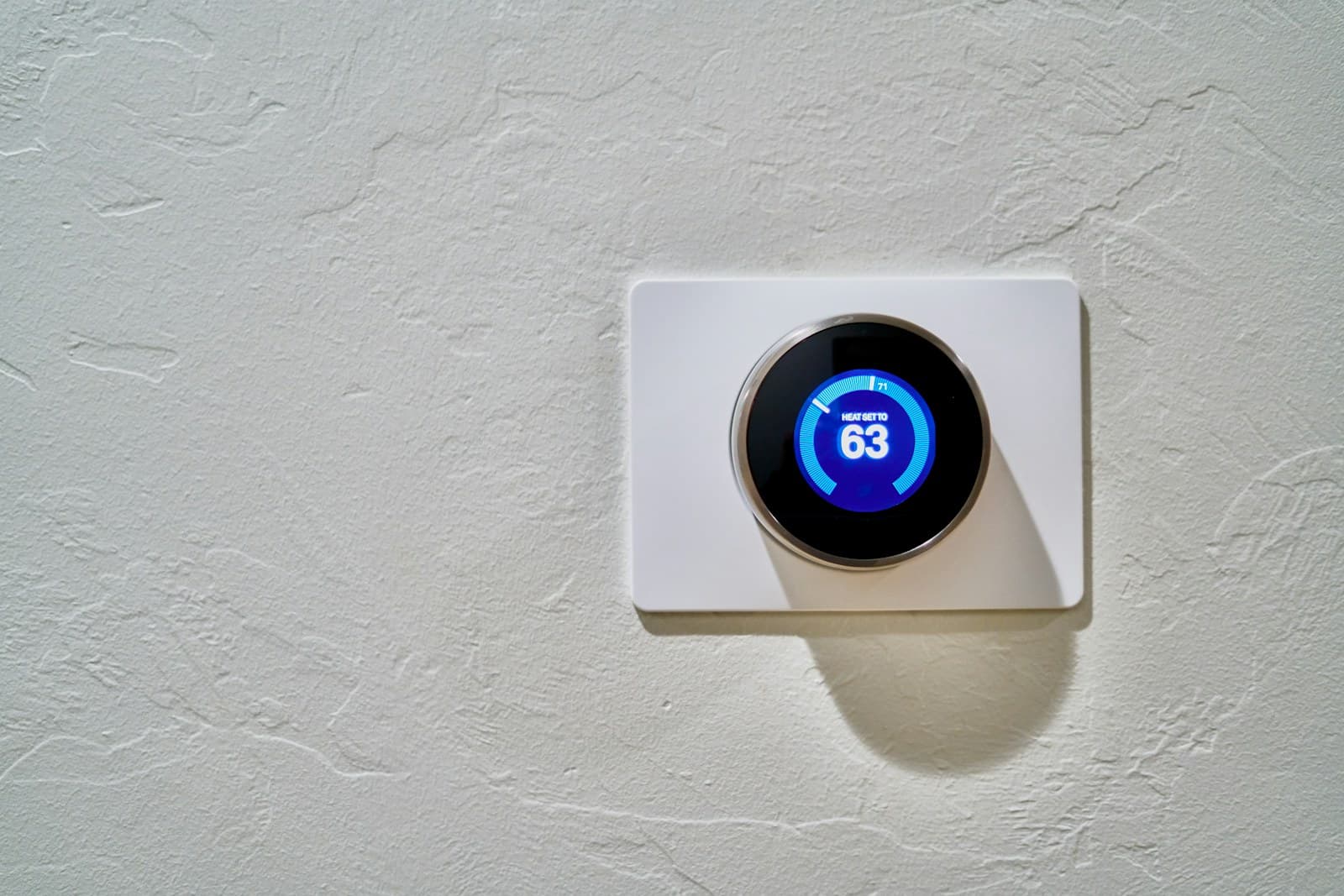
USDA says a refrigerator should maintain 40°F or below and recommends an appliance thermometer. Keep the doors closed and arrange verified cold storage if the temperature is rising. Follow USDA's item-by-item guidance for perishable food held above 40°F for more than two hours rather than judging it by smell or appearance. Loud tapping that returns, scraping near a fan, repeated hard clicking with warming, a knock accompanying a loud compressor buzz, or any burning odor, smoke, electrical trip, leak, or unusual cabinet heat needs service. GE notes that fan damage or ice around a fan can produce noise and warming, but access is behind an interior panel. Leave it closed. My opinion: temperature is the tie-breaker. A strange sound with stable cooling can be documented; a new sound plus warming should move the food and the service call ahead of internet part guesses.
Put the guide to work
Field notes
- Sound
- Buzz, hum, rattle, knock, click, tap, squeal, hiss, pop, or scrape. Capture a short recording from a normal standing position.
- Timing
- After a door closes, during ice harvest, after dispensing water, at startup, after a power outage, continuously, or in a repeating interval.
- Location
- Inside fresh-food section, freezer wall, ice maker, water line, lower front, cabinet side, floor, or rear area without reaching behind.
- Temperature
- Appliance-thermometer reading, food condition, door history, display alarm, and whether cooling changed when the sound began.
Make the next step useful
Put this guide on your home plan
Know when to call a professional. Stop if work involves active gas leaks, damaged service wiring, structural movement, unsafe heights, suspected contamination, or a problem you cannot confidently isolate.
Editorial review and sources
Reviewed by: Smart Homeowners Editorial Desk
Last reviewed: September 14, 2026
Original Smart Homeowners editorial; not adapted from a third-party article.