A room-by-room lighting plan that starts with how you actually live
Use a short after-dark walk-through to locate task needs, glare, dark paths, and fixture limits before buying decorative lighting.
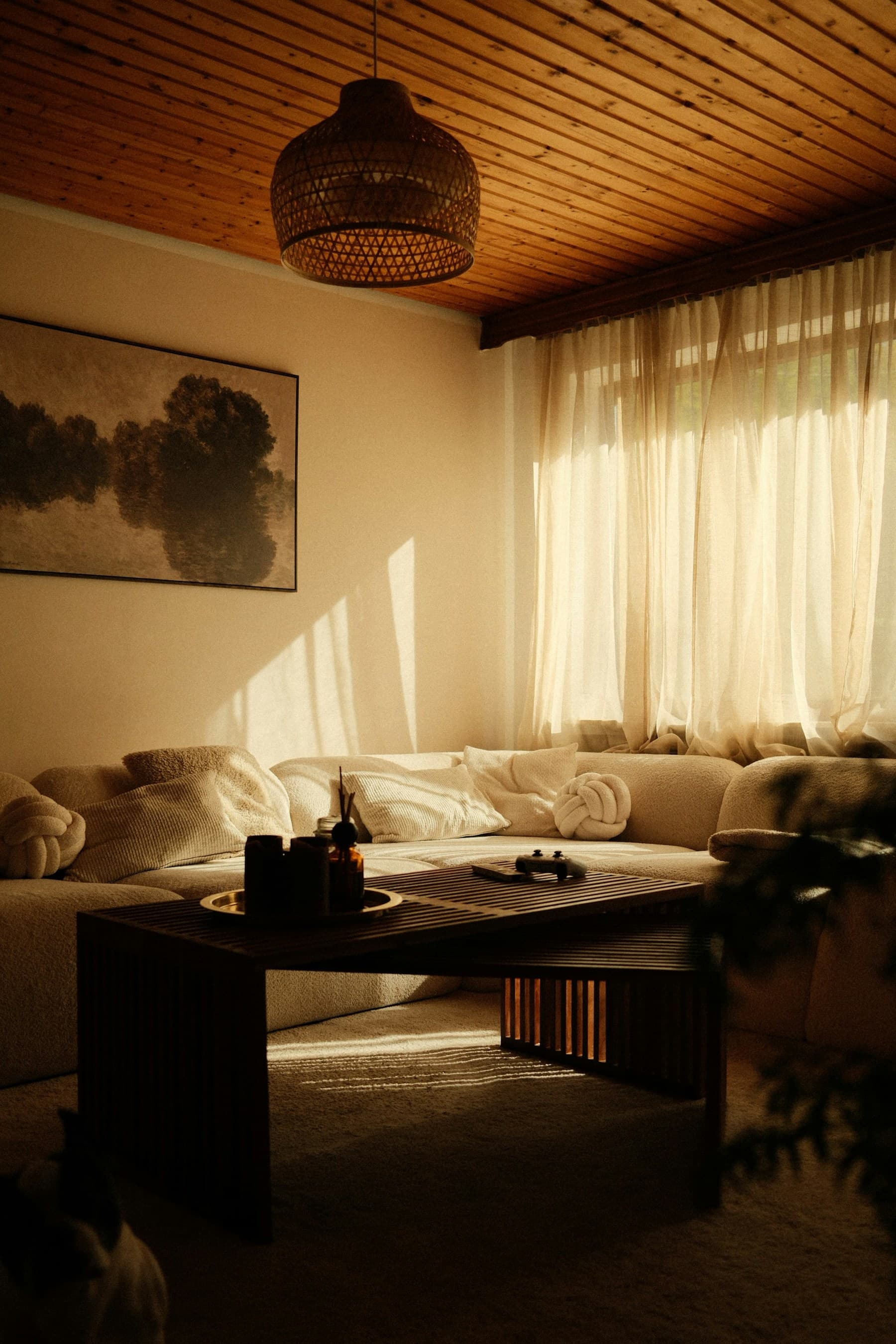
A room can look fine in daylight and fail after dinner. The practical lighting plan is a map of reading, cooking, grooming, stairs, entries, and background light—not a list of trendy fixtures.
Use listed products within their labeled ratings. Do not improvise wiring, overload outlets, run cords under rugs, or use a fixture where moisture or installation requirements make it unsuitable.
The short answer
Layer useful light for tasks, circulation, and atmosphere, but keep bulb ratings, fixture instructions, cord safety, and permanent wiring decisions in view.
Make an after-dark route
Walk from entry to kitchen, bath, bedroom, and exterior doors using normal lights. Note where a handrail, step edge, counter, or threshold disappears.
List tasks and current failures
Write the activity, time, and problem: glare on a screen, shadow at a counter, insufficient reading light, or a dark closet. This prevents a decorative purchase from substituting for task light.
Layer the response
Use ambient light for the room, targeted light for a task, and modest accent light only after those needs are met. Aim fixtures to limit glare and reflections.
Verify bulb and fixture compatibility
Read the fixture label and lamp instructions before using LED replacements, dimmers, enclosed fixtures, or damp locations. A bulb that fits a socket may still be unsuitable.
Secure and manage cords
Place portable lamps where cords do not cross paths, stay under furniture, or become pinched. Use permanent electrical work for a persistent outlet or switching need.
Test with the household
Live with the new arrangement for several evenings. Recheck stairs, cooking areas, children’s rooms, and work surfaces. If a fixture flickers, overheats, trips a breaker, or shows damage, stop using it and seek qualified help.
Put the guide to work
Field notes
- Walk after dark
- At the time rooms are normally used, note glare, shadows, dark steps, and tasks performed under poor light.
- Name the task
- Reading, chopping, grooming, desk work, and stairs need different direction and intensity than a general room glow.
- Check the fixture label
- Record maximum bulb rating, damp-location limits, and mounting requirements before changing a bulb type or fixture.
- Protect routes
- Prioritize entries, stairs, kitchens, and bathrooms where poor light can contribute to a fall or handling injury.
Make the next step useful
Put this guide on your home plan
Know when to call a professional. Stop if work involves active gas leaks, damaged service wiring, structural movement, unsafe heights, suspected contamination, or a problem you cannot confidently isolate.
Editorial review and sources
Reviewed by: Smart Homeowners Editorial Desk
Last reviewed: August 26, 2026
Original Smart Homeowners editorial; not adapted from a third-party article.