How to Winterize a Vacant House: Choose Heat-and-Monitor or a Professional Drain-Down
Choose one documented winter operating mode, map systems that share water or power, and give a local responder a plan that works when an alert arrives.
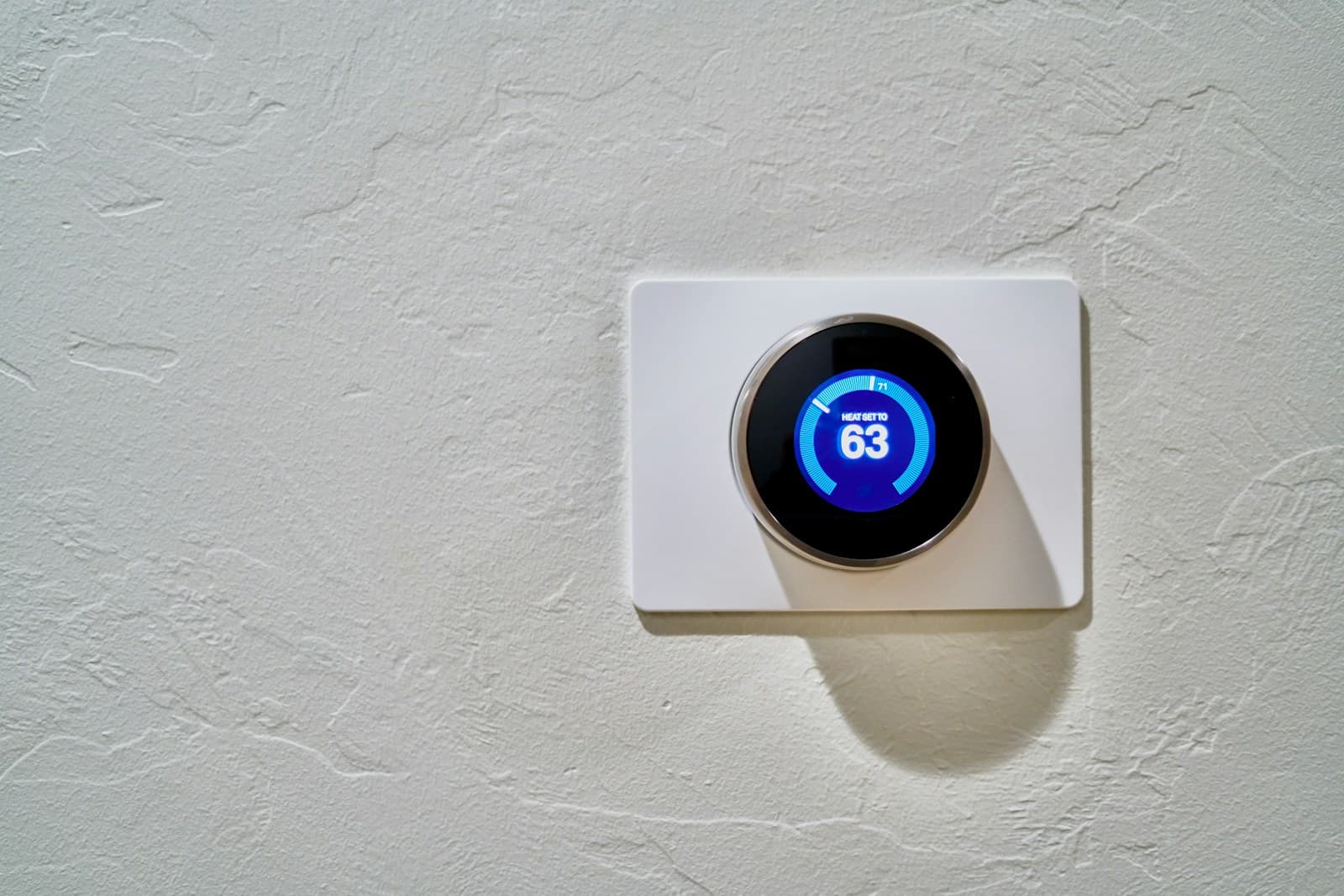
Winterizing a vacant house starts with a decision, not a wrench. The house will remain an operating building with heat and selected water systems active, or qualified professionals will place compatible systems in a documented drained and shut-down state. Mixing pieces of both plans can leave a pipe pressurized, a boiler without required water, a pump without power, or a fire-protection system impaired.
A weekend trip is not the same as a seasonal vacancy. Tell the insurer or agent how long the property will be unoccupied, why, who will inspect it, and which utilities stay on. Triple-I says vacancy clauses commonly become relevant after 30 to 60 consecutive days, but that is only a general warning. The policy's definitions, endorsements, duties after loss, minimum-heat terms, and inspection requirements control the real property.
My view: a phone alert is evidence, not protection. The plan is incomplete until a named person can enter safely, identify the correct shutoff, call the right trade, and document what happened.
The short answer
Put the house in one known operating state. Either keep it heated, powered, inspected, and monitored at settings accepted by the insurer and the people who service its systems, or hire the qualified trades needed to isolate and drain compatible equipment under a written scope. Do not make a hybrid plan from random shutoff tips. Fire sprinklers, boilers, steam or hydronic heat, wells, pumps, treatment equipment, appliances, and sump systems can turn one valve or breaker into a shared-system decision.
Cost and effort
Plan the practical side
| Decision factor | Keep heated and monitored | Professional drain-down | Stop for system-specific advice |
|---|---|---|---|
| Domestic water | Pressurized only under the written plan | Isolated and drained to a defined boundary | Main is unknown, shared, seized, or unreliable |
| Heating | Runs at approved settings with fuel/power continuity | Shutdown only when design and manufacturer allow it | Boiler, steam, hydronic, condensate, or fuel dependency is unclear |
| Fire protection | Remains active and inspected as required | Excluded from a generic plumbing scope | Any valve may serve sprinklers or suppression |
| Power and fuel | Maintained; outage or delivery response assigned | Only named circuits and systems remain active | No plan covers outage, fuel interruption, or safe access |
| Monitoring | Temperature, leak, and power alerts plus human response | Sensors match the systems still active | Nobody local can receive an alert and enter |
| Return | Documented inspection and ordinary startup checks | Written professional recommissioning | Labels, photos, or shutdown status are incomplete |
| Cost line | The quote should identify | Common omission to resolve |
|---|---|---|
| Departure inspection | Systems inspected, tests, exclusions, diagnostic fee | Assuming an inspection includes corrective work |
| Plumbing winterization | Fixtures, branches, appliances, method, approved fluids, labels | A vague whole-house drain-down with no boundary |
| Heating, fire, and well specialists | Who approves each active or shut-down system | Treating every water-connected system as domestic plumbing |
| Monitoring | Hardware, connectivity, subscription, batteries, outage behavior, recipients | Buying sensors without a responder |
| Physical inspections | Frequency, checklist, photographs, escalation authority | Assuming an app satisfies the policy |
| Snow, ice, and access | Trigger, paths, roof limits, treatment, proof | No safe route for the caretaker or trades |
| Emergency response | Callout minimum, after-hours rate, spending authority | A contact list with nobody authorized to act |
| Recommissioning | Restart sequence, leak test, systems and return visit | A departure price that excludes spring startup |
| Check | Pass | Pause departure |
|---|---|---|
| Mode | One mode is written and shared | Different people describe different plans |
| Shared systems | Specialists approved every boundary | A valve or breaker may affect heat or fire protection |
| Heat/power/fuel | State recorded; interruption response assigned | No outage or delivery response |
| Alerts | Test reached every recipient | Notification, battery, or connection failed |
| Human response | Entry, shutoff map, contacts, and authority confirmed | Responder cannot enter or does not know the system |
| Return | Recommissioning scope and owner are written | Nobody owns restart and leak verification |
Define the absence and ask the insurer before selecting a mode
Write the departure date, expected return, reason the house will be empty, any visits or renovation work, and who can enter. Give those facts to the insurer or agent and ask for the policy language that applies to vacant or unoccupied property. Ask about notice, minimum heat, water shutoff, alarm, physical inspection, snow and sidewalk duties, renovation, and proof requirements. Do not accept a verbal 'you should be fine' as the operating plan. Request written confirmation or keep a dated call record and the controlling policy pages.
- Why the definition matters
- Triple-I warns that typical vacancy clauses may restrict coverage after 30 to 60 consecutive days and that vandalism, water damage, theft, and other losses may be affected. The exact time and consequence vary. A general article cannot interpret the contract.
Map every system that depends on water, power, fuel, or drainage
Stand at each owner-accessible control and build a map without operating unknown equipment. Start with the domestic-water main, meter or well switch, fixture branches, water heater, treatment equipment, and appliances. Then map fire sprinklers; boiler, steam, hydronic, humidifier, condensate, and makeup-water connections; sump or sewage equipment; irrigation; alarms; internet gear; heat cables; refrigerators and ice makers; and the electrical circuits or fuel deliveries that support them. Add model numbers, manuals, service companies, and clear do-not-operate notes.
- Shared valves are a stop sign
- Travelers specifically cautions that steam heat and fire-sprinkler systems complicate blanket water-shutoff advice. If a valve's downstream use is uncertain, label it UNKNOWN and have the appropriate plumber, heating specialist, well contractor, or fire-protection professional identify it.
Mode A: keep heat, utilities, inspection, and response working together
This mode keeps the building operating. Use the insurer-approved indoor setting and the heating contractor's guidance for this system, then record thermostat mode, setpoint, zones, fuel level or delivery plan, and the circuits that remain on. Travelers uses at least 55°F in its snowbird guidance, but that is a source example, not a universal safe setting. Wall cavities, exterior plumbing runs, wind exposure, power reliability, equipment design, and policy terms can demand a different plan.
- Prepare the heat
- Complete the normal model-specific pre-season check and qualified service. Keep supply and return paths open. Do not use portable heaters, an oven, or another unattended workaround to protect pipes.
- Plan for interruption
- Assign who reacts to a power alert, low-temperature alarm, low fuel, heating fault, or inaccessible driveway. The response time must fit the policy and local weather, not merely the sensor vendor's marketing.
Test monitoring as a chain, not a collection of gadgets
Place only manufacturer-approved temperature, leak, power, and connectivity devices where they can operate within their rated conditions. Run a controlled test before leaving. Confirm the sensor detects the test condition, the hub or network transmits it, every intended phone or monitoring service receives it, and the local person can acknowledge and reach the property. A leak detector on one basement floor cannot prove an upstairs branch is safe, and an internet-only device may disappear with the same outage that stops the heat.
- Write the response card
- For each alert, name the primary and backup responder, safe entry method, location of the mapped shutoff, plumber or HVAC contact, insurer claim number, and spending authority. Include a rule for calling emergency services when fire, gas, carbon monoxide, electrical, structural, or fast-water danger is present.
Mode B: commission a written professional drain-down
An unheated vacant house needs more than closing the main. Hire a licensed plumber where required and bring in the heating, fire-protection, well, water-treatment, appliance, septic, or irrigation specialist needed for the actual systems. Ask them to define the isolation boundary, every drain point, the handling of traps and toilets, the status of pumps and tanks, approved non-toxic plumbing antifreeze where permitted, labels, photographs, tests, and the restart scope. The written completion record should say what remains pressurized, wet, powered, fueled, monitored, or out of service.
- Methods are system-specific
- Do not improvise compressed air. Pressure, volume, connection points, backflow assemblies, appliance valves, and trapped sections vary, and a generic blowout can damage equipment or leave water behind.
- Antifreeze boundary
- Never use automotive antifreeze. Any plumbing antifreeze must be intended and approved for the exact application, allowed locally, kept out of potable supply lines unless the system-specific procedure permits it, and handled according to its label and the contractor's scope.
- Fire and heating exclusion
- A domestic-plumbing checklist does not authorize altering fire sprinklers or starving a boiler, steam, or hydronic system of required water. Those systems need their responsible specialists.
Build the inspection, access, and exterior plan
Give the caretaker a repeatable route: exterior entry and roofline from safe ground, evidence of forced entry, snow or ice hazards, indoor temperature, thermostat and alarm status, visible ceilings and floors, plumbing and appliance areas, mechanical room, sump status, odors, and the test condition of any approved indicator. The person should photograph the same views, date the visit, report exceptions immediately, and avoid opening cabinets or equipment outside the assignment.
- Set authority in advance
- State who may close a known safe domestic valve, authorize an emergency callout, approve temporary drying, notify the insurer, or spend up to a stated amount. The responder should not diagnose shared systems under pressure.
Price the whole season, not one departure visit
Get local written quotes after the system map is complete. Put each provider on the same scope table and separate departure inspection, plumbing work, specialist work, hardware, subscriptions, physical visits, snow service, emergency response, repairs, and recommissioning. Angi's broad 2026 figures can show why a national headline is not a bid: a small faucet-cover visit and a multi-system professional shutdown do not belong in one comparison.
- Use one carrying-cost record
- Add energy or fuel, insurance changes, connectivity, monitoring, inspection, snow service, emergency reserve, departure work, and return service to the Monthly Home Cost Planner at /tools#monthly-home-cost. Keep one-time and recurring costs separate.
Sign off departure with one evidence packet
On departure day, verify that the selected mode matches the contractor records and insurer conversation. Photograph thermostat and fuel state, accessible gauges or displays, appliance and valve labels, monitored areas, doors and windows, and the condition of each room without exposing private access details. Run the alert test. Confirm the caretaker's first visit and snow trigger. Send the current response card to the primary and backup contacts, and store a remote copy where it remains available if the property loses power or internet.
- Do not leave an unresolved exception
- A failed alert, unknown valve, low fuel, active leak, unreliable heat, disputed policy condition, or contractor note marked incomplete is a pause, not an item for the caretaker to figure out later.
Recommission the house as deliberately as it was shut down
A professionally drained house needs the written restart procedure and the qualified trades named in the departure scope. Inspect for movement, damage, open drains, missing caps, disconnected appliances, pest activity, and labels before restoring anything. Water restoration should follow the plumber's sequence, slowly, with one person at the control and another watching mapped fixtures and concealed-risk areas when the scope allows. Follow the manufacturer and contractor instructions for the water heater, boiler, well, treatment equipment, appliances, irrigation, and fire protection.
- Verify before ordinary use
- Inspect above and below fixtures, run approved hot and cold checks, test alarms and sensors, and watch the meter during a controlled no-use period when every legitimate use can be stopped. A stable test does not erase an intermittent or hidden concern.
Put the guide to work
Field notes
- System dependency map
- Record the domestic-water main and branches; fire-sprinkler valve; boiler, steam, or hydronic connections; well switch and pressure equipment; water heater and treatment; refrigerator, washer, dishwasher, humidifier, irrigation, hose bibs, traps, toilets, sump equipment, fuel, and circuits that must stay energized. Mark every do-not-operate boundary.
- Operating-mode record
- Write HEATED AND MONITORED or PROFESSIONAL DRAIN-DOWN at the top. Add insurer contact and date, required temperature or inspection terms, contractor scopes, systems left active, thermostat and fuel state, and the person authorized to respond.
- Departure proof
- Save dated before-and-after photos, readings, service receipts, alert tests, caretaker schedule, snow and ice plan, entry instructions, safe shutoff map, emergency contacts, and the booked return or recommissioning step.
- Hard stops
- Do not disable fire protection, drain or shut down a boiler or steam system, improvise a compressed-air blowout, use automotive antifreeze, enter an unsafe attic or crawlspace, alter wiring, or create an unattended combustion workaround.
Common questions
Frequently asked questions
- Should I leave the heat on in a vacant house during winter?
- Often, but only as part of a documented heated-and-monitored plan accepted by the insurer and compatible with the installed systems. Record the approved setting, fuel and power continuity, outage response, inspection schedule, and local responder. If the house will be unheated, commission a professional drain-down rather than turning the thermostat off and hoping the pipes empty.
- Is turning off the main water enough to winterize a vacant house?
- No. Water remains in branches, fixtures, traps, appliances, pumps, tanks, and other equipment. The main may also share dependencies with a boiler or fire protection. A professional scope must state what is isolated, drained, protected, left active, labeled, tested, and later recommissioned.
- What temperature should an empty house be kept at in winter?
- There is no universal setting. Travelers gives 55°F as insurer guidance for its readers, but the controlling policy, system design, pipe location, local cold and wind, utility reliability, and contractor advice may require something else. Ask the insurer and heating professional, then record the approved setting and response plan.
- Can I shut off the water if the house has a boiler, steam heat, or fire sprinklers?
- Do not do so until the responsible plumber, heating specialist, or fire-protection professional identifies the shared connections and approves a written boundary. A domestic-water valve can affect makeup water or suppression equipment. Never disable a fire-sprinkler system or drain heating equipment from a generic checklist.
- Do I need to tell my insurance company that the house will be vacant?
- Tell the insurer or agent the actual dates, occupancy facts, renovation status, utilities, inspections, and planned winter mode, then ask what the policy requires. Triple-I describes common 30-to-60-day vacancy-clause windows, but the real contract may define the situation or duties differently. No article can promise coverage.
- How often should someone inspect an unoccupied house in winter?
- Use the frequency and documentation required by the insurance policy, endorsement, lender, property manager agreement, or other controlling document. If none states a number, ask the insurer and set a written schedule suited to local weather and system risk. Each visit should follow the same safe checklist and produce dated proof.
- What should a professional winterization quote include?
- It should name the systems and boundaries, exclusions, valve and shutoff condition, drain or protection method, approved products, specialist responsibilities, labels and photos, testing, systems left active, emergency callout terms, and recommissioning. Compare departure, monitoring, inspections, snow service, and return work as separate lines.
- Can I put antifreeze in toilets and drains myself?
- Only if the exact system instructions, product label, local rules, and qualified professional's scope allow that owner task. Never use automotive antifreeze, never add a product to potable lines casually, and do not treat antifreeze as a substitute for isolating and draining the rest of the system correctly.
- What has to be checked before turning the water and heat back on?
- Follow the written recommissioning plan. Inspect for damage and altered labels, have required trades restart their systems, restore water slowly under observation, check fixtures and connections above and below, follow equipment manuals, test alarms and sensors, and record any leak or abnormal operation before ordinary occupancy.
Use the findings
Open the detailed check for what you found
Make the next step useful
Put this guide on your home plan
Know when to call a professional. Stop if work involves active gas leaks, damaged service wiring, structural movement, unsafe heights, suspected contamination, or a problem you cannot confidently isolate.
Editorial review and sources
Reviewed by: Smart Homeowners Editorial Desk
Last reviewed: October 21, 2026
Original Smart Homeowners editorial; not adapted from a third-party article.
Source notes and limitations
- Travelers supports the heated-home example, water-shutoff exceptions, monitoring, inspection, emergency-contact, and insurance prompts. Its 55°F figure is identified as source guidance, not a universal setting.
- Triple-I supports the general 30–60-day vacancy-clause warning. The article repeatedly states that the actual policy and property facts control coverage, duties, definitions, heat, and inspection requirements.
- Angi's 2026 page supports only the broad $50–$1,500 professional house-winterization range used here. It does not establish a typical price or average for a complete vacant-house drain-down; current local written scopes and the site planner control the decision.
- Visible FAQ answers and FAQPage JSON-LD are generated from the same faqs array.