Six perennials that earn their space every fall
Long bloom, strong foliage, and useful seed heads make these plants work beyond one season.

A fall planting earns its space when it matches the actual bed—sun, soil, winter moisture, mature size, and maintenance capacity—not simply because it looks good in bloom. Cultivar availability and suitability vary widely by region.
Treat the plant names below as a starting vocabulary, not a national recommendation list. Confirm local performance, invasive-plant guidance, pet and child considerations, and irrigation needs with an extension or native-plant resource.
The short answer
The strongest fall plants combine flowers with foliage, seed heads, or form that remains useful after bloom.
Read the bed before choosing a plant
Spend several days noting direct sun, shade, wind, standing water, irrigation reach, soil texture, and nearby roots. A plant recommendation that works in a moist shaded border may fail on a hot reflected-light wall. Take a photo from the same point in morning and afternoon so a garden-center label does not decide the site for you.
- Local check
- Use a county extension, native-plant society, or botanical garden resource to confirm that the species and cultivar suit the region and are not listed as invasive.
Choose for more than the bloom
A fall perennial can earn space through foliage, seed heads, upright form, winter structure, or value to local pollinators as well as flowers. Compare mature height and width, water needs, division or staking needs, and tolerance for the bed's actual conditions. Do not plant several unfamiliar species at once if their care requirements conflict.
- Plant-list discipline
- The names in this guide are examples of plant types to research locally, not a national shopping list or a claim that every cultivar performs the same way.
Plan the mature footprint
Mark the expected mature width before digging, leaving access for weeding, watering, and nearby established plants. Overcrowding may look full in a first-year photo but can reduce airflow and make pests, disease, and pruning harder later. Keep taller forms from shading lower plants whose needs are different.
- Comparison tool
- Create a simple bed table with sun, soil moisture, mature width, bloom period, and maintenance notes for each candidate before buying.
Plant for establishment rather than display
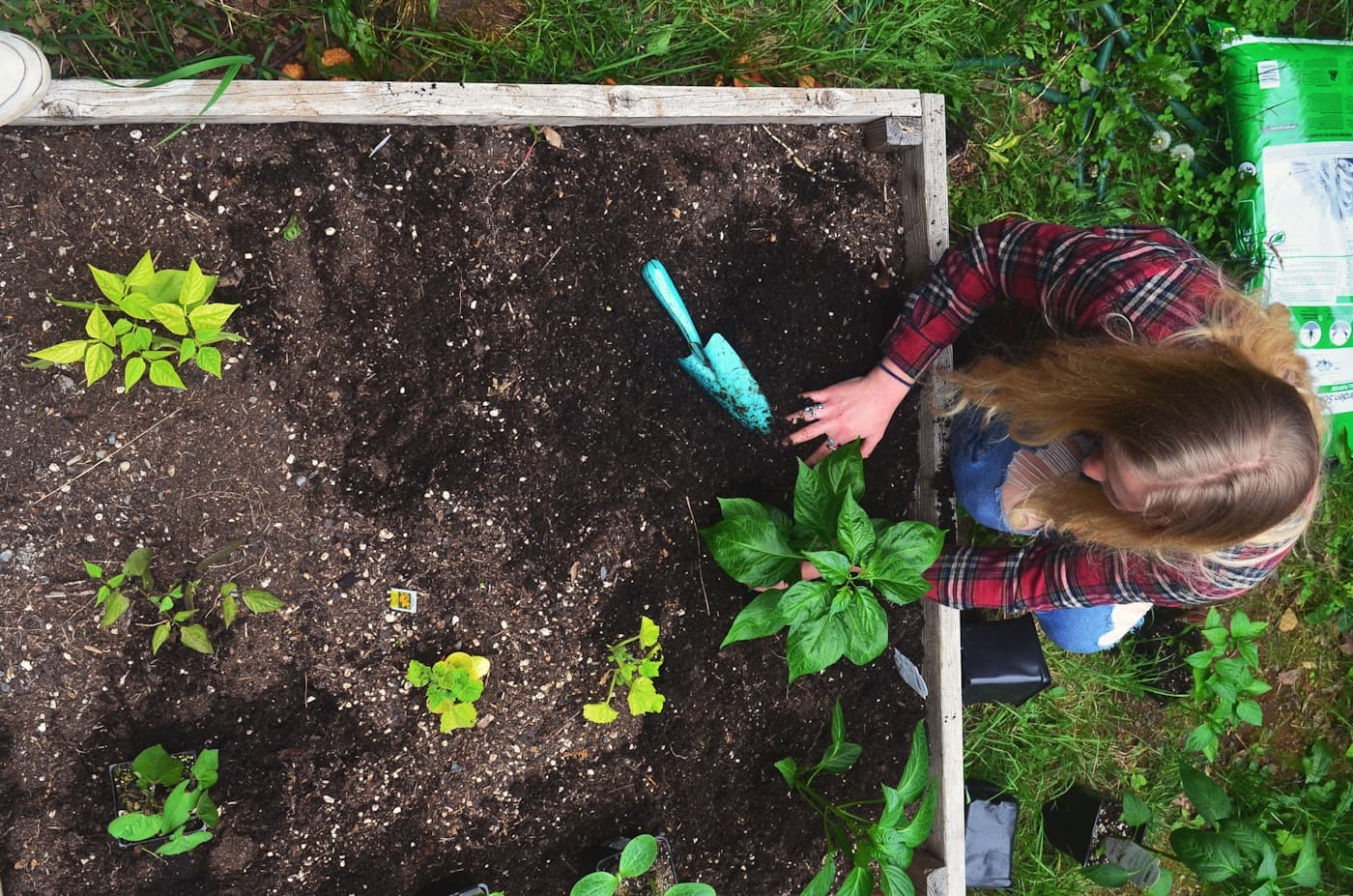
Inspect the root ball, follow local guidance for planting depth, water in, and apply mulch without burying crowns or woody stems. New plants need observation through their first season; cool weather lowers stress but does not eliminate the need to check moisture at root depth. Avoid unmeasured fertilizer or pesticide applications.
- Escalation
- If the bed repeatedly stays saturated, has suspected contaminated soil, or suffers a recurring disease issue, seek local extension or landscape-professional guidance before adding more plants.
Record what the bed teaches
Label plants, photograph the bed at planting and after the first hard weather, and note watering, pest, and flowering observations. That record is more useful than replacing a poor performer from memory the following season. Adjust one variable at a time where possible: placement, irrigation, mulch, or plant selection.
- Pollinator boundary
- Choose locally appropriate plants and follow product labels and extension advice before treating any pest or disease issue.
Put the guide to work
Field notes
- Match light and soil
- Record full sun, part shade, drainage, irrigation, and soil texture over several days. A dry slope and a moist border may need entirely different choices.
- Plan the mature footprint
- Use the mature width on a trustworthy plant label or extension reference, then leave access for weeding and water. Overcrowding creates disease and maintenance work.
- Plant for establishment
- Check the root ball, plant at appropriate depth, water in, mulch away from crowns and trunks, and monitor soil moisture through establishment.
- Support pollinators carefully
- Choose locally appropriate plants and avoid broad pesticide use. Verify species before planting, especially where local invasive lists or fire conditions apply.
Make the next step useful
Put this guide on your home plan
Know when to call a professional. Stop if work involves active gas leaks, damaged service wiring, structural movement, unsafe heights, suspected contamination, or a problem you cannot confidently isolate.
Editorial review and sources
Reviewed by: Smart Homeowners Editorial Desk
Last reviewed: August 26, 2026
Original Smart Homeowners editorial; not adapted from a third-party article.