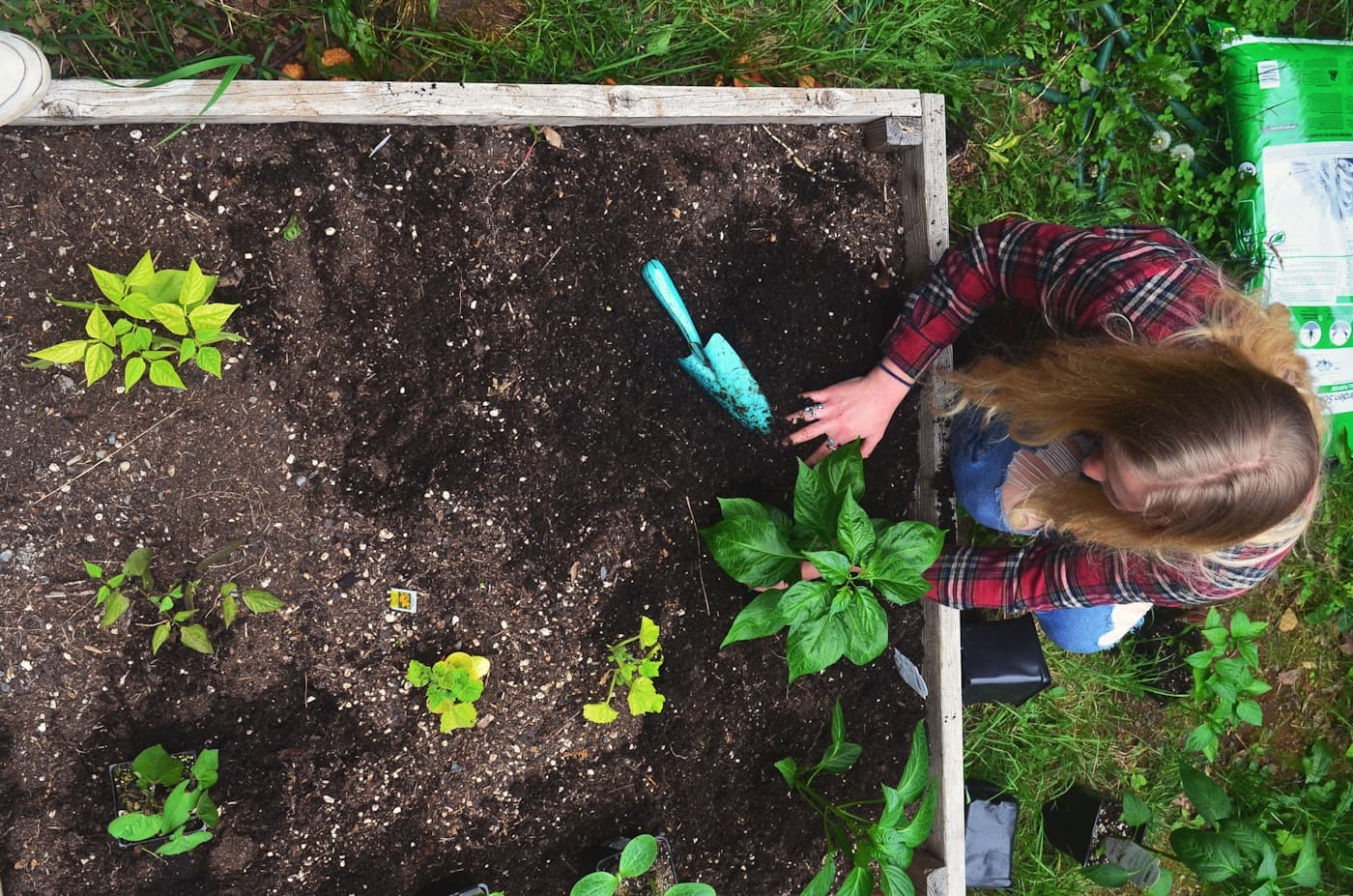
Design a front-yard pollinator plan around a real site, not a plant list
Match flowering plants, season, mature size, water, and maintenance to the actual sun and soil in a visible everyday landscape.
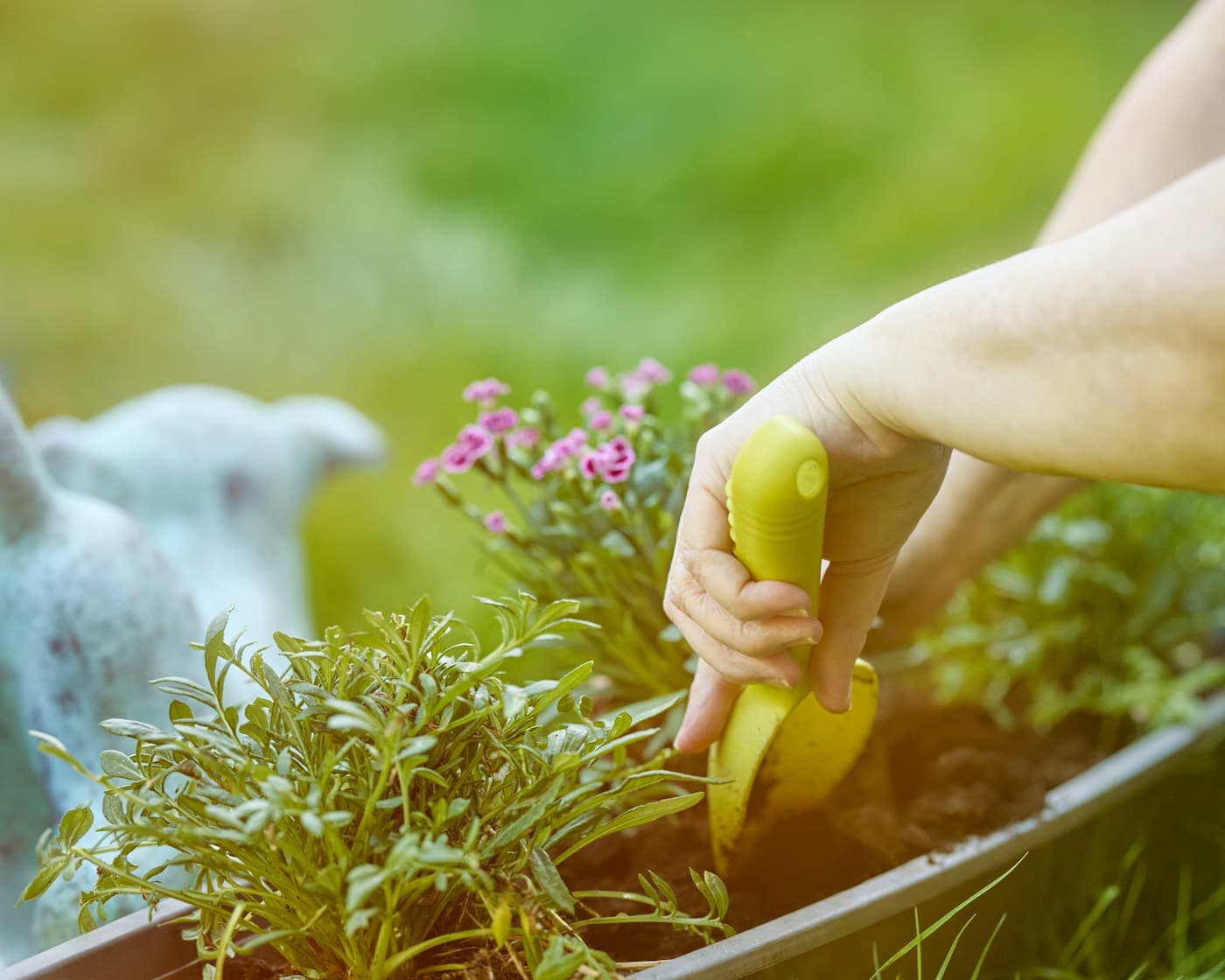
Pollinator-friendly planting begins with the place: sun, drainage, irrigation, wind, foot traffic, pets, neighborhood rules, and local ecology. A beautiful photo does not tell you whether a plant is appropriate or invasive where you live.
Use local extension, native-plant, or botanical-garden resources to confirm species. Avoid broad pesticide use and do not treat a pollinator label as a substitute for site observation.
The short answer
A useful pollinator garden is locally appropriate, diverse across bloom times, and planned for mature size and maintenance—not a crowded collection of labels.
Read the site for a week
Record light, wind, drainage, irrigation, foot traffic, and heat from pavement or walls. Identify existing plants that thrive or fail as evidence of the conditions.
Set an ecological and household goal
Choose whether the main goal is seasonal bloom, a low-water bed, screening, front-entry appearance, or a child- and pet-aware garden. One site cannot optimize every goal without tradeoffs.
Build a local candidate list
Use regional sources to compare native or locally suitable species by bloom period, mature size, water need, and maintenance. Verify the exact species and cultivar before buying.
Lay out mature footprints
Mark spacing with stakes or chalk, leaving room for access and irrigation. Keep taller plants from obscuring intersections, walkways, and house numbers where visibility matters.
Plant for establishment
Use local guidance for planting depth, mulch, watering, and season. Label plants and take a starting photo; a first-season garden is still gathering evidence.
Maintain without broad guesses
Watch for irrigation needs, pests, and crowding, then use extension guidance before treatment. Record which plants flower, which need more water, and which attract unwanted maintenance rather than replacing the whole bed at once.
Put the guide to work
Field notes
- Map sun honestly
- Take morning, midday, and late-day photos before choosing plants. Reflected heat and seasonal shade can change a bed’s conditions.
- Plan the bloom calendar
- Choose a sequence of locally appropriate flowering periods rather than concentrating every bloom in one month.
- Leave maintenance access
- Mark mature width, water reach, paths, and sightlines before planting; crowding creates cleanup and disease pressure.
- Check local restrictions
- Confirm invasive-plant guidance, water restrictions, HOA or municipal rules, and fire conditions before purchasing.
Make the next step useful
Put this guide on your home plan
Know when to call a professional. Stop if work involves active gas leaks, damaged service wiring, structural movement, unsafe heights, suspected contamination, or a problem you cannot confidently isolate.
Editorial review and sources
Reviewed by: Smart Homeowners Editorial Desk
Last reviewed: August 26, 2026
Original Smart Homeowners editorial; not adapted from a third-party article.