Furnace blower keeps running? Separate moving air from active heat
Use the thermostat’s fan status, a timed cooldown, airflow clues, and one safe filter check before treating a continuous blower as a furnace that will not shut off.
A furnace blower is the powered fan that pulls household air through the return and sends conditioned air back through the supply ducts.
Air movement does not prove the burner is firing. Use time, air temperature, and equipment status to separate an intentional fan command from a control or safety response.
The short answer
The furnace blower is the fan that moves air through the filter, heating equipment, and ducts. A blower can run while the burners or electric heat are off. Confirm whether the thermostat says FAN ON, CIRC, HEATING, or idle; lower the setpoint; and time what happens without opening the furnace. FAN ON is continuous by design, while CIRC can run part of each hour. If the thermostat is idle and the blower never stops after a normal cooldown, leave control-board, relay, limit-switch, and wiring diagnosis to a qualified HVAC technician.
Read the thermostat before changing it
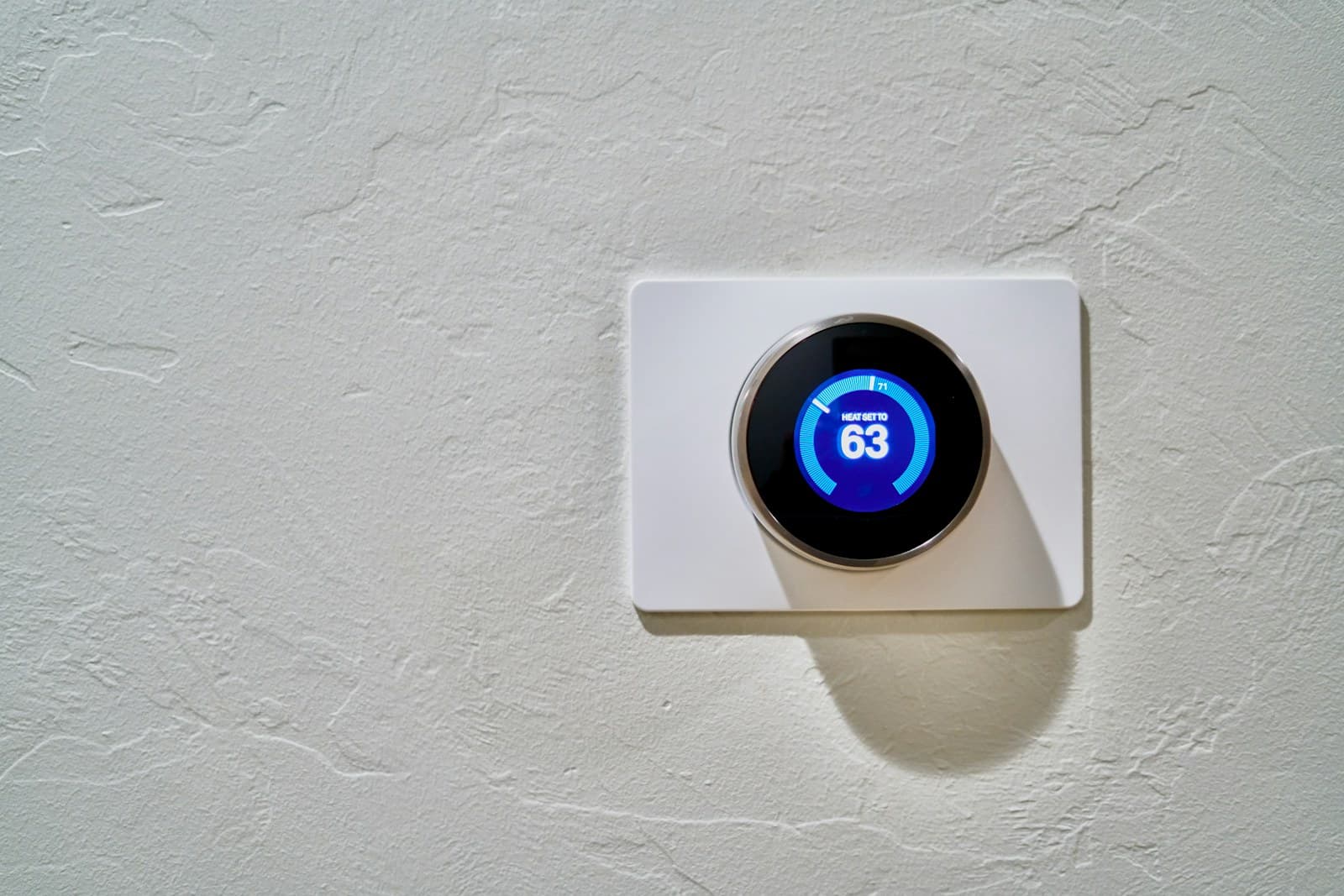
Photograph the system mode, room temperature, setpoint, fan mode, schedule, hold, and any alert. Honeywell says AUTO runs the fan with a heating or cooling call, ON runs continuously, and some CIRC modes run for part of each hour. Smart thermostats may also schedule the fan or ventilation. Turn FAN ON to AUTO only when that matches the intended setup. Do not erase installer settings to hide the symptom.
Run a timed thermostat test
Lower the heating setpoint below the displayed room temperature and note the exact time. Watch whether the display changes from HEATING to idle and whether delivered air gradually cools. A short post-heat blower period can move remaining heat and protect equipment; the correct duration depends on the furnace and controls. Record the stop time instead of declaring a fault after one minute. If heat continues while the thermostat shows no heat call, shut the system down using its documented control and call for service.
Check the filter and open air path
With the system safely off under its instructions, inspect the accessible filter for heavy loading, wrong orientation, or the wrong size. Confirm supply registers and return grilles are not blocked by furniture, rugs, or stored items. Trane notes that a dirty filter restricts airflow and can make a furnace run longer. Replace the filter only with a type and rating approved for the system. Never operate the furnace without the filter to see whether the blower stops.
Use the display and status light as evidence
From outside closed panels, record any furnace status code and the thermostat’s equipment-status screen. Note whether the blower behavior began after a thermostat replacement, power interruption, filter change, wiring work, or maintenance visit. Do not remove service panels, press an internal fan-limit control, disconnect thermostat wires, or bypass a door switch. Those actions can expose line voltage, moving parts, hot surfaces, and combustion equipment while destroying useful diagnostic state.
Escalate the right symptom
Call a qualified HVAC technician when the thermostat is idle but the blower remains on indefinitely, heating continues above setpoint, an alert returns, the furnace overheats, or the blower stops and starts abnormally. Leave the home and call emergency services for a carbon-monoxide alarm, smoke, fire, or a suspected gas leak. Give the technician the thermostat photos, start and stop times, filter condition, status code, and whether the delivered air stayed hot or cooled.
Put the guide to work
Field notes
- Intentional-run clue
- The thermostat shows FAN ON, CIRC, ventilation, air-quality, or a scheduled fan period. Honeywell says ON runs continuously; its CIRC behavior varies by model and schedule.
- Heat-call clue
- The display says HEATING TO and room temperature is below the setpoint. That is a heating call, not a blower-only complaint; document why the house is not reaching temperature.
- Service clue
- The thermostat shows no heat or fan call, yet the blower does not stop, or the unit shows an alert. Trane lists limit-switch, control, wiring, and blower problems as professional repair territory.
Common questions
Frequently asked questions
- Why does the blower run when the thermostat is set to off?
- The fan may have its own ON, CIRC, schedule, ventilation, or air-quality command. If the thermostat shows no fan command and the blower never stops after cooldown, the furnace controls need professional diagnosis.
- Is a short blower run after the burners stop normal?
- Often, yes. Many systems keep the fan running briefly to move remaining heat and protect equipment. Use the furnace manual for the expected sequence and record the actual duration.
- Should I open the furnace to reset the fan limit switch?
- No. Keep service panels closed. Limit controls can be part of the furnace’s safety and operating system, and Trane treats a faulty limit switch as a professional repair.
Make the next step useful
Put this guide on your home plan
Know when to call a professional. Stop if work involves active gas leaks, damaged service wiring, structural movement, unsafe heights, suspected contamination, or a problem you cannot confidently isolate.
Editorial review and sources
Reviewed by: Smart Homeowners Editorial Desk
Last reviewed: September 25, 2026
Original Smart Homeowners editorial; not adapted from a third-party article.