Plan a lower-water yard with an annual water budget
Estimate yearly outdoor water use by irrigation zone before removing turf, changing schedules, or choosing new plant areas.
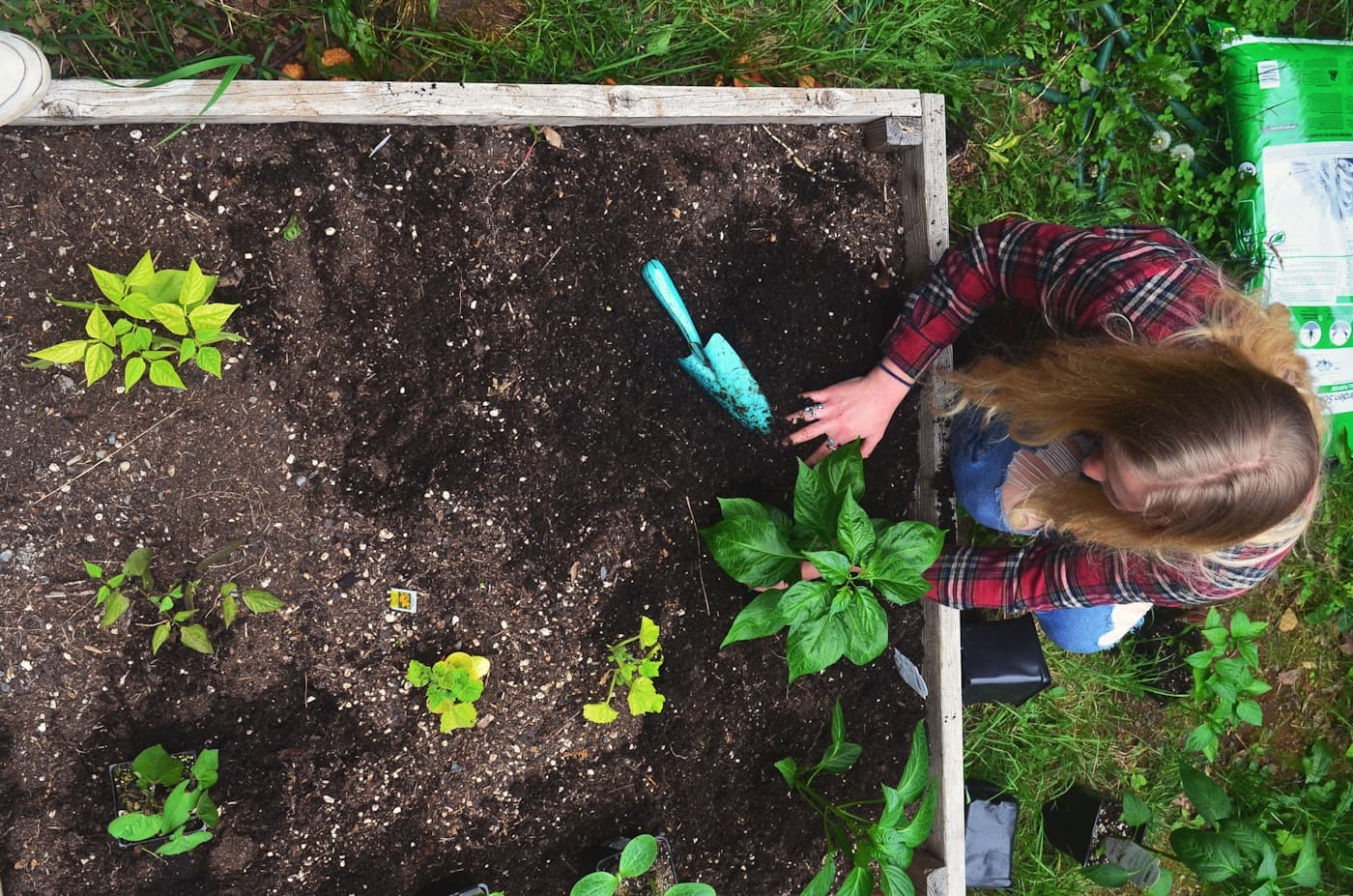
A yard can waste water because schedules run too often, zones are mismatched, heads miss root areas, leaks go unnoticed, or high-water areas remain in the hottest exposure. Plant selection matters, but the annual water budget shows where the real opportunity sits.
Use bills, meter data, controller settings, zone observations, and local water-agency guidance. This is the planning layer; plant provenance and establishment belong in a separate native-plant survival file.
The short answer
A lower-water plan starts by estimating the outdoor water budget, identifying each irrigation zone, fixing waste, and phasing changes where the budget shows the largest durable reduction.
Estimate outdoor use
Compare non-irrigation months with irrigation months, adjusting for billing days and major household changes. The difference is a rough outdoor budget, not a laboratory measurement.
Map each irrigation zone
Mark valves or controller zones, area served, heads or drip lines, slope, runoff, overspray, blocked coverage, and what the zone is supposed to keep alive.
Repair waste before redesign
Fix leaks, broken heads, tilted sprays, overspray, and controller mistakes before judging the landscape. A conversion plan built on a broken system can overstate savings.
Set zone-by-zone targets
Choose the future for each zone: maintain, reduce runtime, convert to drip, remove turf, cap a zone, or redesign professionally. Include local water rules and rebate requirements before work begins.
Review annual results
Compare the next similar season by usage units, weather, plant survival, maintenance, and household use of the yard. Keep changes that reduce water without creating heat, runoff, or constant replacement.
Put the guide to work
Field notes
- Build a baseline
- Compare outdoor-season bills with winter or indoor baseline use, then mark billing days, rate units, weather, and known household changes.
- Inventory zones
- List controller program, zone number, area served, irrigation type, run days, minutes, visible runoff, overspray, leaks, and plants or turf served.
- Protect soil
- Use mulch appropriate to the site, avoid compacting root zones, and use a soil test when nutrients or pH are uncertain. Do not add amendments from a generic recipe without knowing what the soil needs.
- Design for local hazards
- In fire-prone areas, select and maintain plants with defensible-space guidance in mind. Follow local water restrictions, drainage rules, and HOA or municipal requirements before changing hardscape or irrigation.
- Choose budget targets
- For each zone, decide whether the target is repair, shorter runtime, different irrigation method, plant conversion, turf reduction, or no change.
- Phase by measured waste
- Begin with the zone that combines high use, visible waste, and low household value, then compare like billing periods after the change.
Make the next step useful
Put this guide on your home plan
Know when to call a professional. Stop if work involves active gas leaks, damaged service wiring, structural movement, unsafe heights, suspected contamination, or a problem you cannot confidently isolate.
Editorial review and sources
Reviewed by: Smart Homeowners Editorial Desk
Last reviewed: August 25, 2026
Original Smart Homeowners editorial; not adapted from a third-party article.