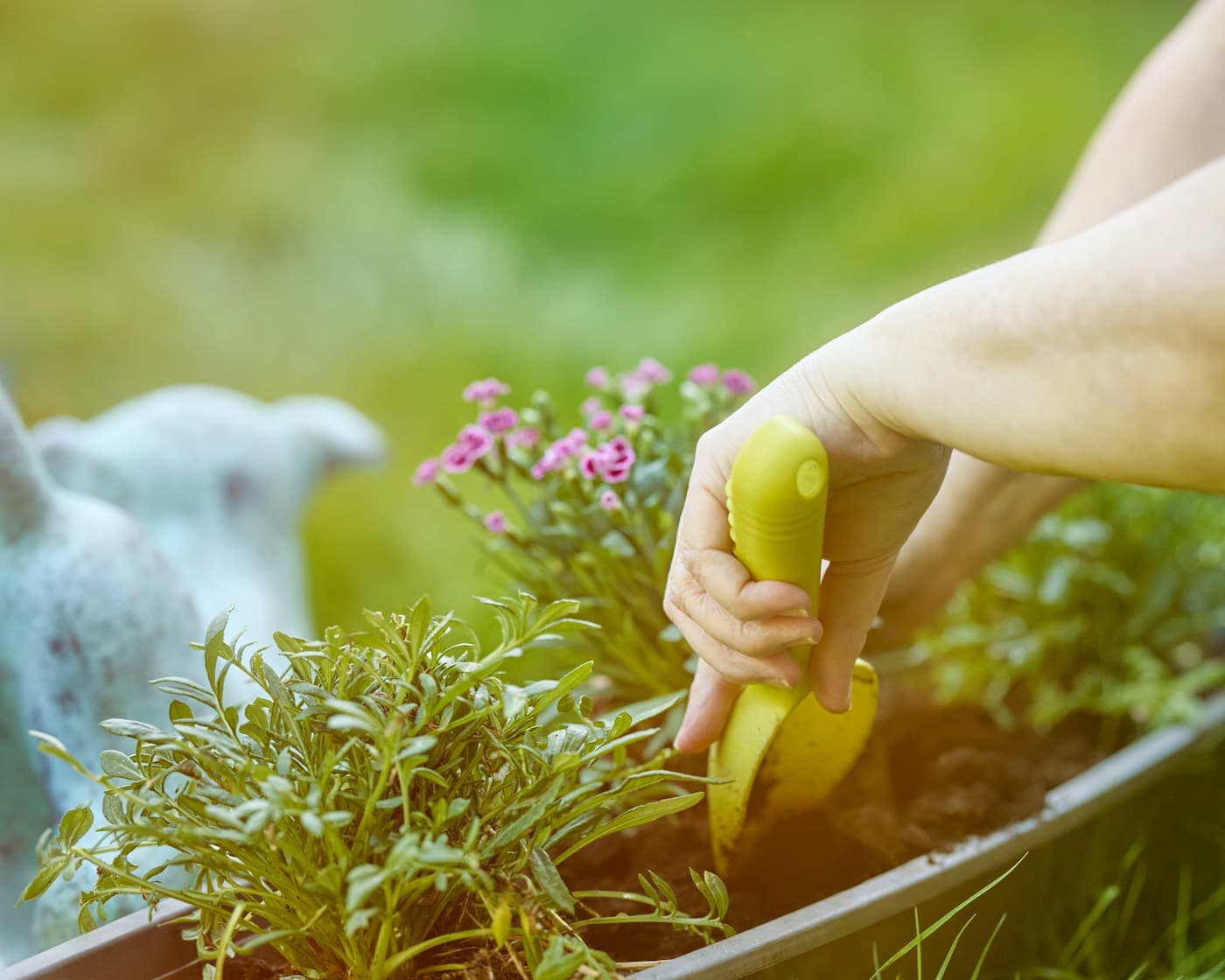
Prepare a fall vegetable bed by checking timing, soil, and water first
A productive fall bed begins with a local frost date, a soil plan, and only crops that fit the remaining light and season.
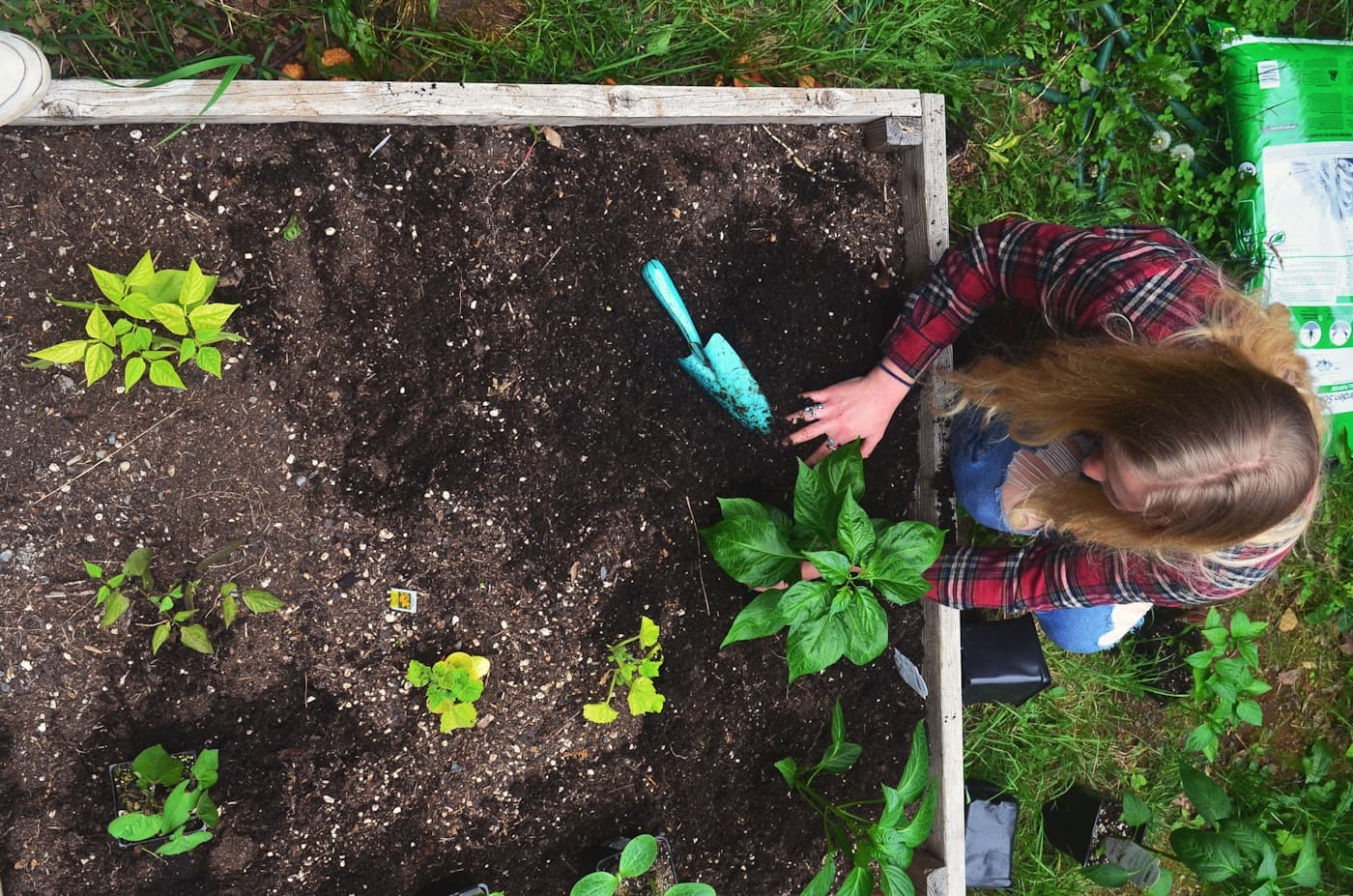
Fall vegetable gardening is not simply spring planting in cooler weather. Shorter days, local frost timing, residual summer heat, and irrigation needs change which crops can mature and how quickly they establish.
Use regional extension guidance for crop selection and planting windows. A raised bed may drain faster and warm differently than in-ground soil, so observe the actual bed rather than treating every garden schedule as interchangeable.
The short answer
Count backward from local conditions, remove disease problems, and build soil from evidence rather than adding amendments by habit.
Clear and photograph the bed
Remove declining plants, weeds, and debris, then photograph the bed and label the prior crop. This record helps with crop rotation, disease tracking, and soil decisions next season.
Check the calendar and light
Use a local planting calendar and note how many hours of direct light remain as nearby trees change. Choose crops that fit both the expected season and the bed’s exposure.
Assess soil condition
Check soil depth, compaction, drainage, and test results. Add finished compost or other amendments only where the test, crop plan, and local guidance support them.
Plant with room to maintain
Follow packet or extension spacing guidance, label rows, and leave a path to water and inspect plants. Overcrowding can make disease and harvest harder to manage.
Plan protection and harvest
Prepare row cover or other locally suitable protection before cold weather arrives, and check plants regularly for pests and moisture needs. Harvest at the recommended stage and record what worked.
Make a crop-and-bed decision card
For each proposed crop, write the local planting window, days to maturity, bed light, spacing, irrigation access, and expected harvest period. If the card does not fit the remaining season, choose a different crop rather than trying to force it with extra fertilizer.
- Timing fit
- Use the local first-frost estimate as a planning reference, then allow time for slower fall growth. A seed packet is not a guarantee because light, temperature, and variety change maturity.
- Soil fit
- Use a soil-test recommendation and the crop’s needs before adding fertilizer. Keep amendment labels and amounts in the bed record so next season starts with evidence.
- Water fit
- Check moisture below the surface near roots, not just whether the top looks dry. Adjust for mulch, rain, wind, and heat; avoid a fixed calendar watering rule.
- Disease fit
- Do not put a closely related crop into a bed that recently had an unresolved disease issue. Photograph symptoms and use local extension advice before composting or replanting.
Put the guide to work
Field notes
- Start with local dates
- Find the local average first frost date and count backward using days to maturity plus a buffer for slower autumn growth. Local extension offices can refine the list for your area.
- Remove disease pressure
- Take out spent plants and identify disease or pest issues before composting. Do not move visibly diseased material into a compost system that cannot reliably process it.
- Test before adding
- A soil test can identify nutrient and pH needs. Unmeasured fertilizer or amendments can create runoff, imbalance, or expenses without helping the crop.
- Watch establishment water
- New seeds and transplants need consistent moisture to establish. Check soil at root depth and adjust for heat, wind, rain, and mulch rather than setting one fixed schedule.
Make the next step useful
Put this guide on your home plan
Know when to call a professional. Stop if work involves active gas leaks, damaged service wiring, structural movement, unsafe heights, suspected contamination, or a problem you cannot confidently isolate.
Editorial review and sources
Reviewed by: Smart Homeowners Editorial Desk
Last reviewed: August 25, 2026
Original Smart Homeowners editorial; not adapted from a third-party article.