Furnace turns on and off too quickly? Time the cycle before guessing
A thermostat that quickly satisfies, a burner that stops while the blower continues, and a complete system that repeatedly restarts are not the same pattern. Record two cycles from outside the cabinet, then stop testing.
Do not diagnose short cycling by sound alone. Write down when the thermostat calls, when warm air reaches a register, what stops first, whether the blower keeps running, and how soon heat starts again.
There is no single cycle time that fits every furnace and every cold day. Lennox says shutdown in under five minutes can indicate short cycling; Trane says a furnace cycle is generally at least seven minutes and notes that equipment type and severe cold change the pattern. Treat those figures as screening clues, not permission to keep testing a struggling furnace.
The short answer
Confirm Heat mode, setpoint, schedule, filter condition, and open, unobstructed registers and returns. Time no more than two naturally occurring cycles from the thermostat call through shutdown, keeping every equipment panel closed. Leave immediately for a gas odor or carbon-monoxide alarm. Use qualified HVAC service for recurring short cycles, combustion, venting, fuel, heat-exchanger, limit-control, wiring, or internal diagnostic work.
Clear the emergency question first
If a carbon-monoxide alarm sounds or you smell gas, get everyone outside without operating switches or investigating the furnace, then call emergency services or the gas utility from a safe location. Smoke, sparking, soot, or flame outside the intended area also ends the check. Do not silence an alarm, open the burner compartment, or return until authorities say it is safe.
Read the thermostat before changing it
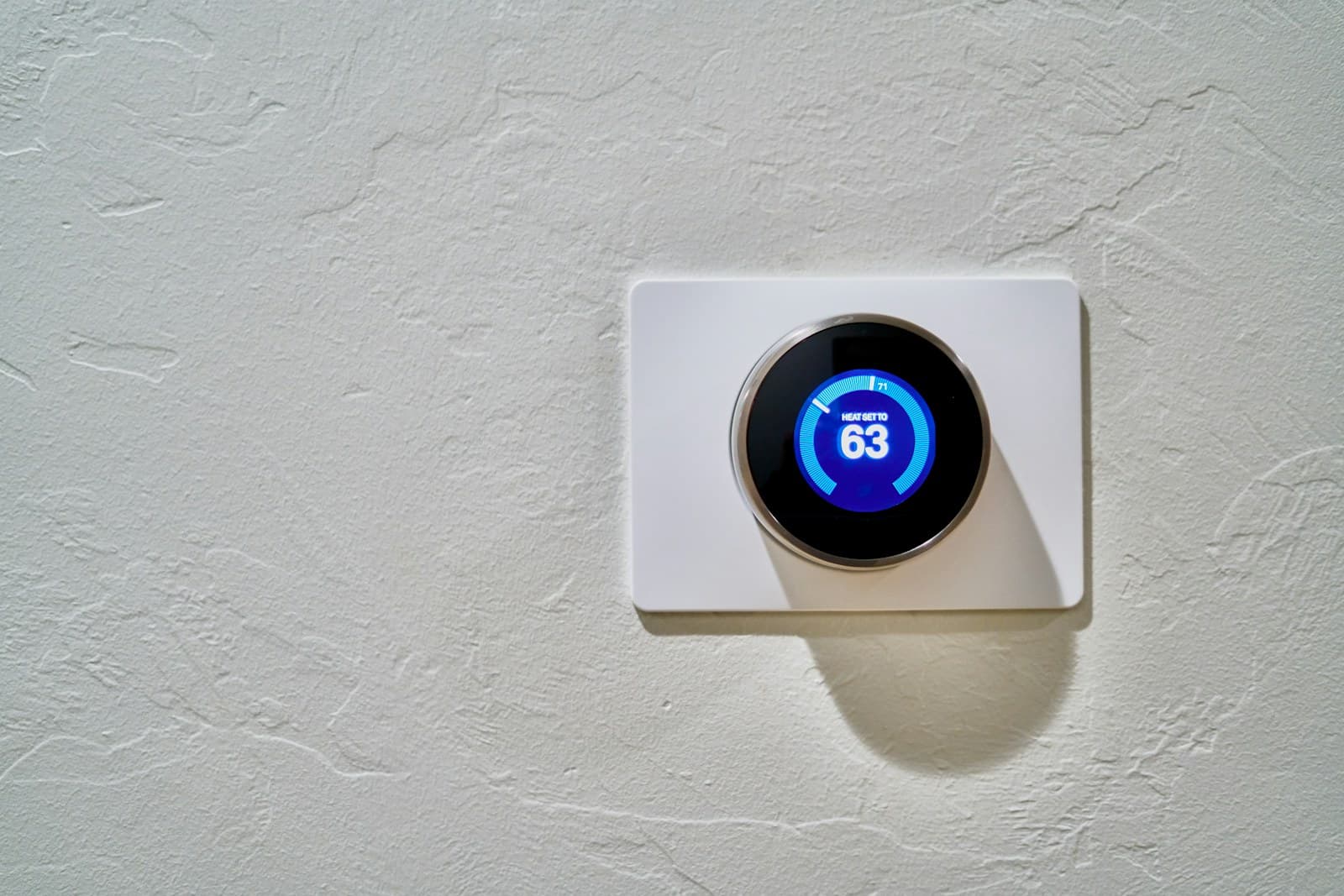
Record mode, room reading, setpoint, schedule, fan setting, zone, and any alert. Check whether direct sun, a nearby heat source, a supply register, or a draft is affecting the thermostat. Trane and Carrier both identify thermostat placement or sensing trouble as a possible short-cycle cause. Make only a manual-approved battery or setting correction; do not remove the thermostat, touch its wiring, or keep raising and lowering the target.
Check the homeowner side of airflow
With the system off through the normal control if the manual requires it, inspect the filter through its ordinary access. Confirm size, airflow arrow, and whether it is visibly loaded; replace or clean it only as the manufacturer directs. Make sure supply registers are open and return grilles are not covered by furniture, drapes, rugs, or boxes. Carrier explains that restricted airflow can allow heat to build until a safety limit stops the furnace. Never run the furnace without its specified filter.
Time two natural cycles at most
Stand in the occupied space, not beside an open cabinet. Note the thermostat call, ordinary startup sounds, first warm air, any visible code on an external display, when heat stops, when the blower stops, and the next restart. Stop after two naturally occurring cycles, or sooner if the furnace fails to reach setpoint, the pattern tightens, a code returns, a breaker trips, or any safety warning appears. Do not reset power or bypass a control to produce another sample.
Call before the pattern erases itself
Report the times, weather, thermostat details, filter part number and condition, open-register check, rooms affected, displayed codes, sounds, installation age, and whether short cycling has existed since installation. Lennox lists dirty filters, airflow restrictions, thermostat faults, and oversized equipment among possible causes. ENERGY STAR puts gas pressure, burner combustion, heat-exchanger checks, electrical measurements, and control testing with the contractor. My view: a filter change is a maintenance step, not a completed diagnosis. If rapid cycling returns after airflow is corrected, leave the furnace off and have the safety shutdown investigated.
Put the guide to work
Field notes
- Clock
- Thermostat call time, first warm airflow, heat-stop time, blower-stop time, restart time, and whether the setpoint was reached.
- Air path
- Correct filter size and arrow, visible loading, open supply registers, clear return grilles, and rooms with weak or absent airflow.
- Context
- Outdoor temperature, recent thermostat or filter change, new furniture or rugs, renovation dust, prior service, and whether the pattern began at installation.
- Leave
- Gas odor, hissing near a fuel line, carbon-monoxide alarm, soot, smoke, sparking, flame outside its intended area, unusual heat, or anyone feeling ill.
Make the next step useful
Put this guide on your home plan
Know when to call a professional. Stop if work involves active gas leaks, damaged service wiring, structural movement, unsafe heights, suspected contamination, or a problem you cannot confidently isolate.
Editorial review and sources
Reviewed by: Smart Homeowners Editorial Desk
Last reviewed: September 13, 2026
Original Smart Homeowners editorial; not adapted from a third-party article.